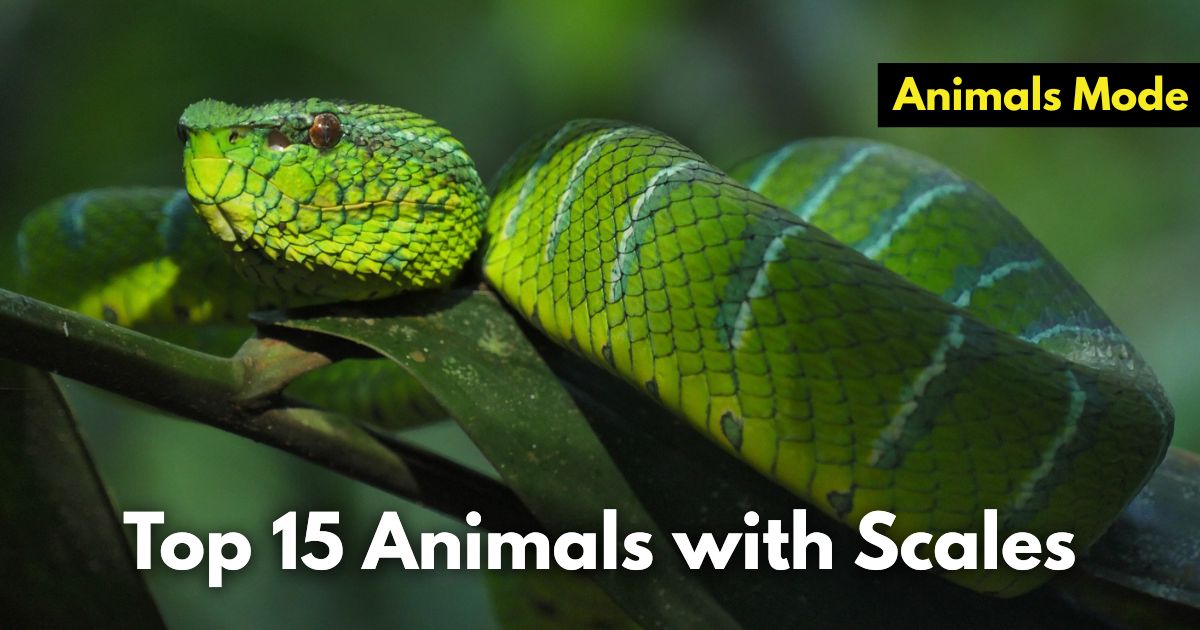
Animals with scales are creatures whose skin is covered by hard, flat, or overlapping plates made of keratin, bone, or other tough materials. These scales protect them from predators, help them move, and regulate their body temperature. From fish in rivers to reptiles in deserts, over 32,000 species carry some form of scales — making it one of nature’s most widespread survival tools.
Quick Table: 15 Animals with Scales in the World
| Animal Name | Scientific Name |
| Caiman | Camelus crocodilus → Caiman crocodilus |
| Gharial | Gavialis gangeticus |
| Skink | Scincidae (family) |
| Rattlesnake | Crotalus spp. |
| Turtle | Testudines (order) |
| Snake (general) | Serpentes (suborder) |
| Lizard (general) | Lacertilia (suborder) |
| Koi | Cyprinus rubrofuscus |
| Betta Fish | Betta splendens |
| Clownfish | Amphiprioninae (subfamily) |
| Goldfish | Carassius auratus |
| Common Carp | Cyprinus carpio |
| Penguin | Spheniscidae (family) |
| Eagle | Accipitridae (family) |
| Butterfly | Lepidoptera (order) |
1. Caiman
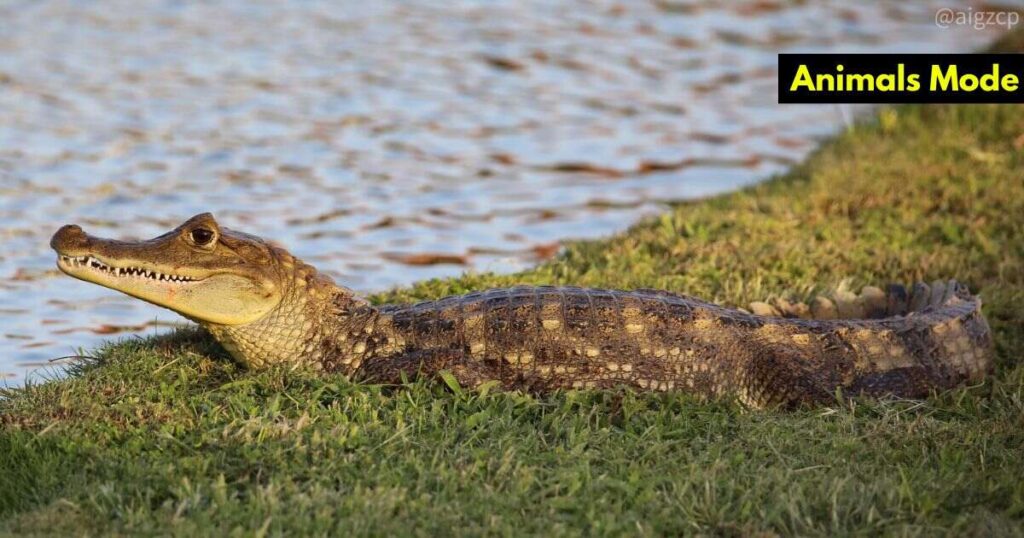
Scientific Name: Caiman crocodilus
Diet: Fish, birds, small mammals, invertebrates
Habitat: Freshwater rivers, swamps, and wetlands of Central and South America
The caiman looks like a crocodile’s smaller, scrappier cousin. And in many ways, it is. But don’t let the size fool you — caimans are one of the most armored reptiles on the planet. Their scales aren’t just skin. They sit on top of osteoderms, which are tiny bones fused directly beneath the skin. So when something bites a caiman, it’s basically biting a living shield.
What makes caimans stand out is how they hunt at night. They use the water’s surface like a mirror — staying completely still, with just their eyes above the waterline. A fish swims close. The caiman explodes into motion in less than a tenth of a second. That ambush speed is faster than most people can blink.
2. Gharial
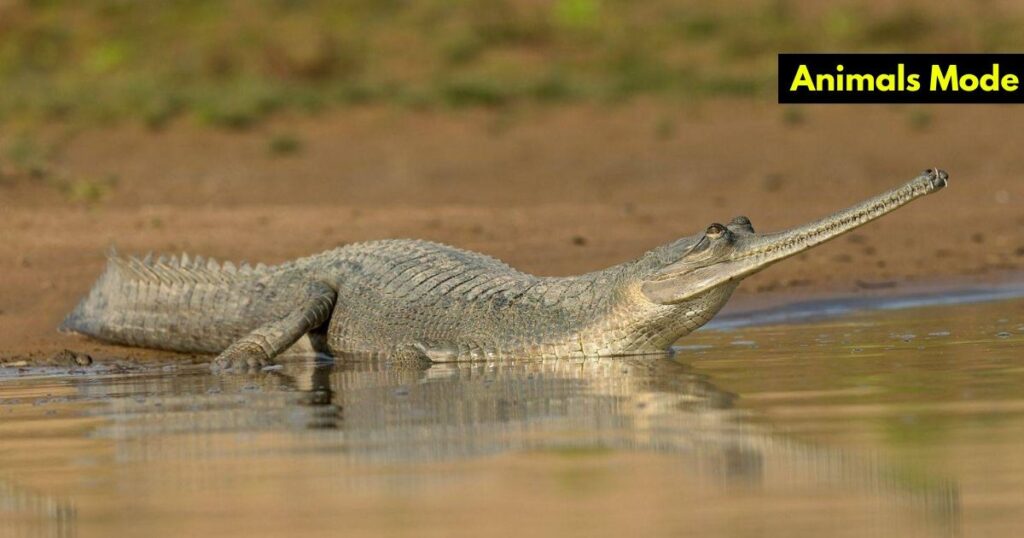
Scientific Name: Gavialis gangeticus
Diet: Almost exclusively fish
Habitat: Fast-flowing rivers of northern India and Nepal — mainly the Ganges and Chambal rivers
The gharial has one of the strangest faces in the reptile world. Its snout is extremely long and narrow, lined with over 100 interlocking teeth that point slightly outward. That design isn’t for chewing — it’s for catching. The thin snout slices through water sideways, snapping up fish with almost zero resistance. It’s like a specialized fishing tool built right into its skull.
Here’s something most people don’t know: adult male gharials grow a bulbous growth on the tip of their snout called a “ghara” — named after a clay pot used in India. Scientists believe it amplifies sound and helps males communicate underwater during mating season. So that strange lump isn’t random. It’s a biological speaker system.
3. Skink
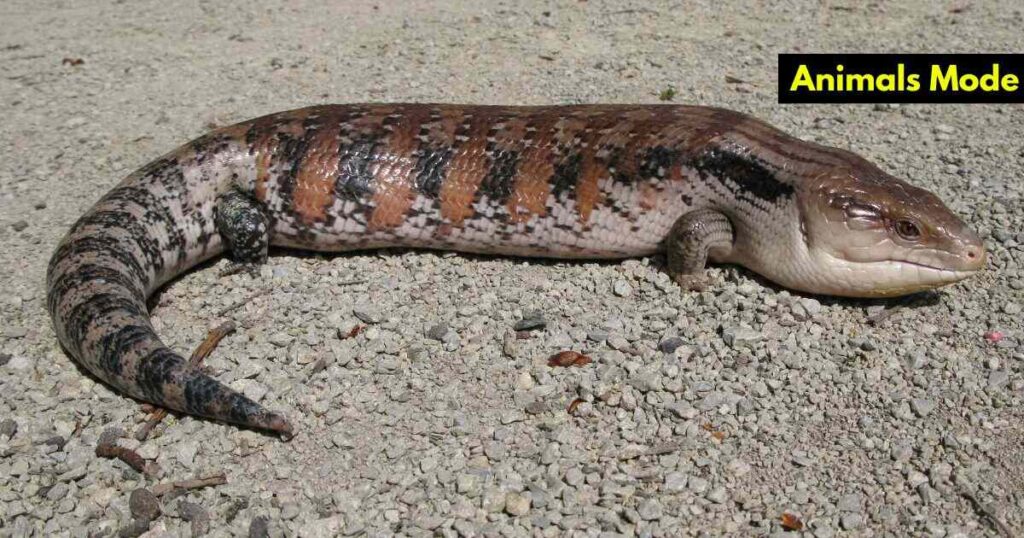
Scientific Name: Scincidae (family, with over 1,500 species)
Diet: Insects, small invertebrates, some plant matter
Habitat: Every continent except Antarctica — forests, deserts, grasslands
Skinks are proof that being overlooked is sometimes the best survival strategy. They don’t roar, they don’t spit venom, and they don’t grow to terrifying sizes. What they do is disappear — fast, low to the ground, and often into the nearest crack or leaf pile before you even registered they were there.
But their scales do something remarkable. In several skink species, the scales contain iridescent microstructures that shift color depending on the angle of light. The blue-tongued skink (Tiliqua scincoides) takes a different route: when threatened, it opens its mouth wide to flash a bright blue tongue against its pink mouth — a visual shock that startles predators for just long enough to escape.
4. Rattlesnake
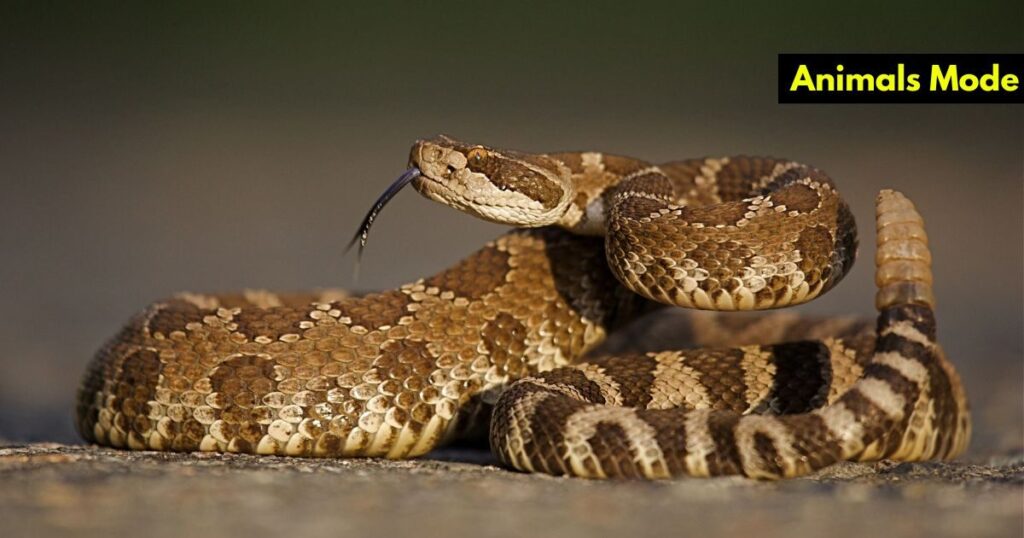
Scientific Name: Crotalus spp.
Diet: Rodents, lizards, small birds
Habitat: Deserts, grasslands, and rocky terrain across North and South America
The rattlesnake’s rattle gets all the attention — and rightfully so. But the scales on a rattlesnake’s belly deserve just as much credit. Called ventral scales, they run the full length of the underside and grip the ground like a set of tiny tire treads. This is how snakes “walk” without legs — those belly scales catch the surface and push backward as muscles ripple forward.
What truly sets rattlesnakes apart is their heat-sensing pit organs, located between their eyes and nostrils. These pits detect infrared radiation, meaning rattlesnakes can hunt in complete darkness by sensing the body heat of a nearby mouse — accurate to within fractions of a degree. They don’t need to see you. They just need to feel your warmth.
5. Turtle
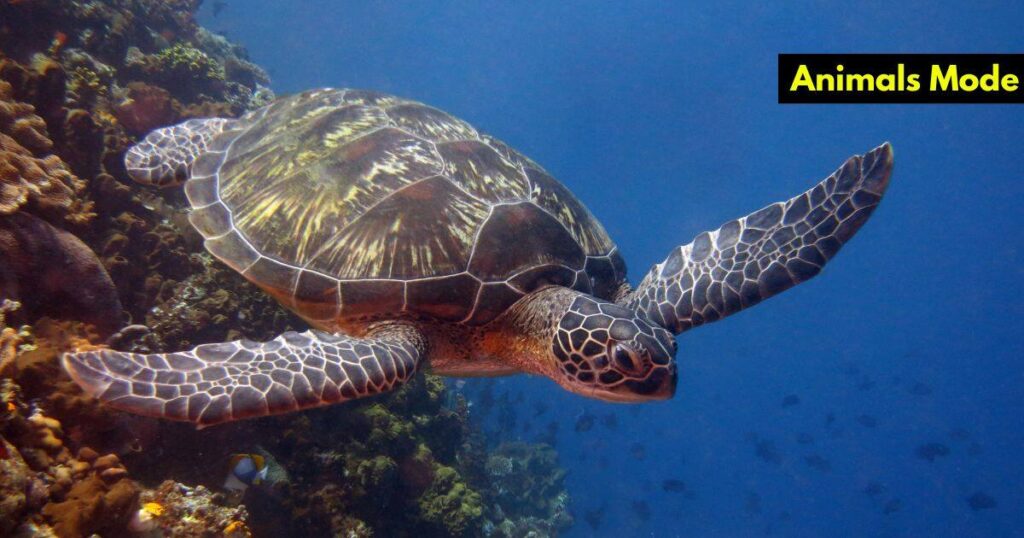
Scientific Name: Testudines (order)
Diet: Varies by species — algae, fish, jellyfish, plants, insects
Habitat: Oceans, rivers, lakes, forests, and deserts worldwide
The turtle’s shell looks like armor from the outside. But what most people don’t realize is that the shell is actually part of the turtle’s skeleton — it’s fused to the spine and ribcage. The turtle cannot crawl out of its shell. It is the shell. The outer layer is covered in scutes, which are modified scales made of keratin — the same material as human fingernails.
Sea turtles carry something even more interesting: the ability to navigate using Earth’s magnetic field. A loggerhead sea turtle born on a Florida beach will travel thousands of miles across the Atlantic Ocean — and decades later, return to lay eggs within a few miles of where it hatched. That’s not instinct alone. That’s a biological GPS system.
6. Snakes
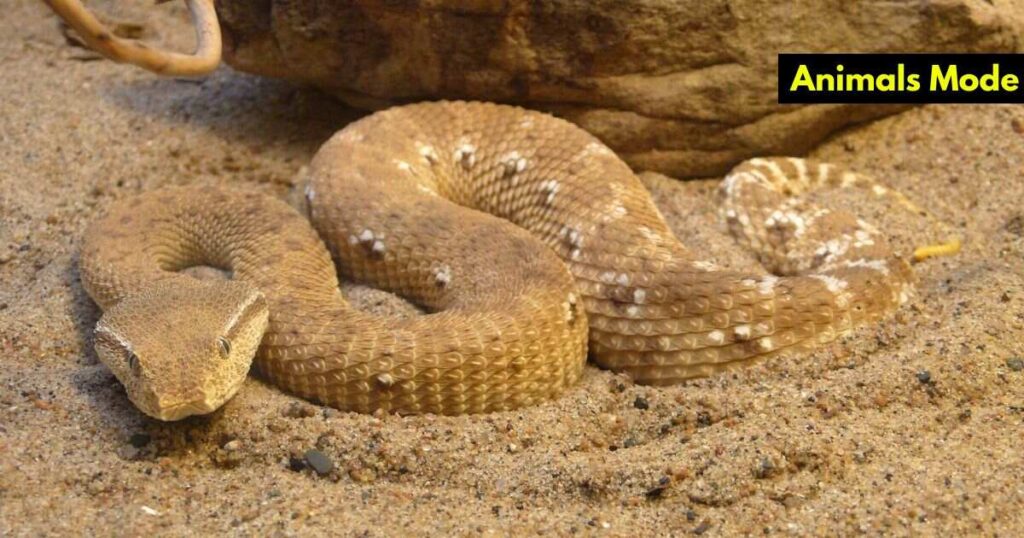
Scientific Name: Serpentes (suborder)
Diet: Carnivorous — rodents, eggs, birds, amphibians, insects (varies by species)
Habitat: Every continent except Antarctica
Snakes are among the most scale-dependent animals alive. Their entire body is covered in scales — from the tip of the snout to the end of the tail. But these aren’t all the same. Head scales tend to be large and symmetrical, helping protect the skull. Body scales can be smooth, ridged (keeled), or granular, depending on where the snake lives. A tree-climbing snake often has ridged scales for grip. A burrowing snake has smooth scales to slide through soil easily.
One more thing worth noting: snakes don’t shed their skin because it wears out like clothing. They shed because they grow continuously, and the outer layer doesn’t grow with them. The new skin underneath is already fully formed before shedding begins. A snake mid-shed is essentially wearing two complete skins at once.
7. Lizards
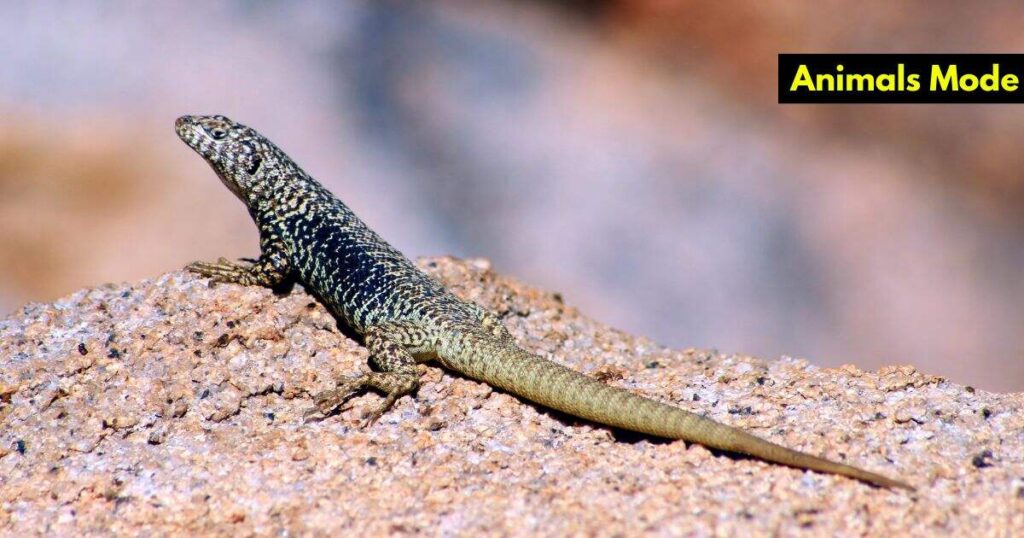
Scientific Name: Lacertilia (suborder)
Diet: Insects, plants, small animals (varies widely)
Habitat: Deserts, rainforests, mountains, grasslands — nearly everywhere
Lizards represent the most diverse group of reptiles on Earth, with over 6,500 known species. And their scales reflect that diversity wildly. The thorny devil (Moloch horridus) of Australia has scales with tiny channels between them that act like capillary tubes — pulling morning dew and moisture directly toward its mouth without the animal lifting its head. It drinks through its skin.
The gecko takes a completely different approach. Its toe pads are covered in millions of microscopic scale-like structures called setae, each ending in even tinier pads. These create a van der Waals force — a molecular attraction so strong that a gecko can hold its full body weight on a single toe against a glass ceiling. No glue. Just geometry.
8. Koi
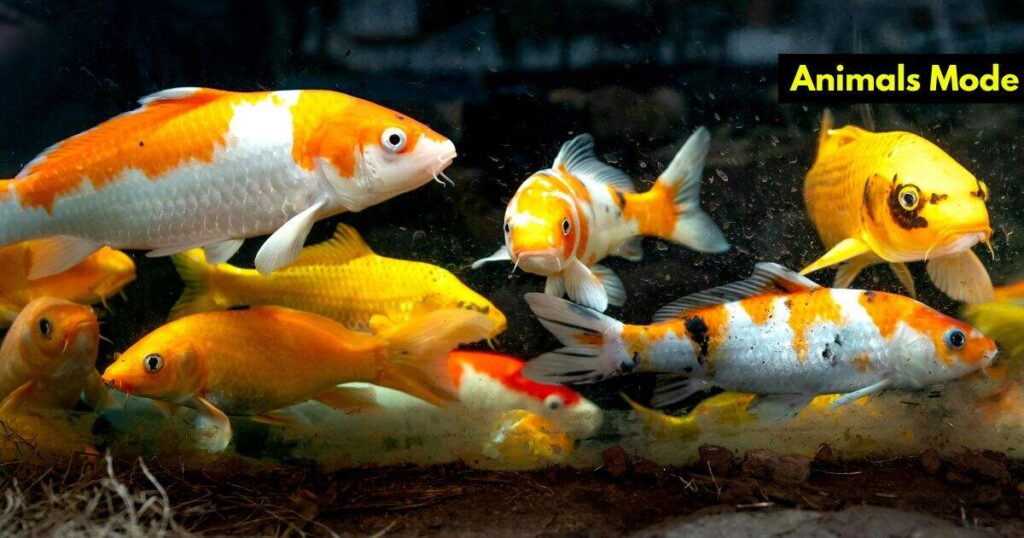
Scientific Name: Cyprinus rubrofuscus
Diet: Algae, insects, worms, plant matter, fish pellets
Habitat: Freshwater ponds and slow-moving rivers; originally from Eastern Asia
Koi are domesticated fish, but their scales tell a story written over 1,000 years. Selective breeding in China and Japan produced the astonishing color patterns we see today — deep reds, whites, blacks, and golds — all sitting inside individual scales that act like tiny pigment tiles. Each scale has layers: a transparent outer layer, a reflective middle, and a color layer underneath. That’s why koi seem to glow from within in sunlight.
What’s less known is that koi can live for over 200 years in ideal conditions. The oldest recorded koi, a fish named Hanako in Japan, died at an estimated 226 years old, verified by counting growth rings on its scales — the same method used to age trees. So next time you see a koi in a garden pond, you might be looking at something older than your great-great-grandparents.
9. Betta Fish (Siamese Fighting Fish)
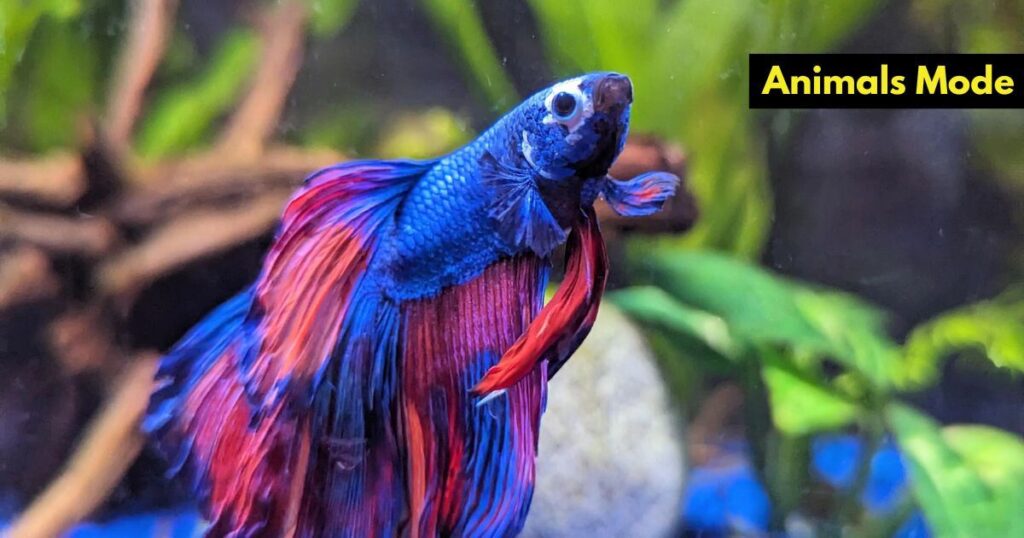
Scientific Name: Betta splendens
Diet: Insects, larvae, small invertebrates
Habitat: Shallow rice paddies, ponds, and slow streams of Southeast Asia — Thailand, Cambodia, Vietnam
The betta fish looks painted. Its scales have an almost metallic, iridescent quality because they contain iridophores — specialized cells packed with crystalline plates that reflect light differently depending on the angle. This is why a betta’s color seems to shift from blue to green to purple as it moves. It’s structural color, not pigment alone — similar to how butterfly wings shimmer.
But what makes bettas genuinely unusual is their aggression toward mirrors. Show a male betta its own reflection and it will flare its fins and attack. For years, people assumed this was simple territorial behavior. Recent research suggests it might be more complex — the fish may be unable to distinguish its own reflection from a rival, but its stress response to the “intruder” actually sharpens its focus and makes it a more effective competitor. The anger is, in a strange way, a performance tool.
10. Clownfish
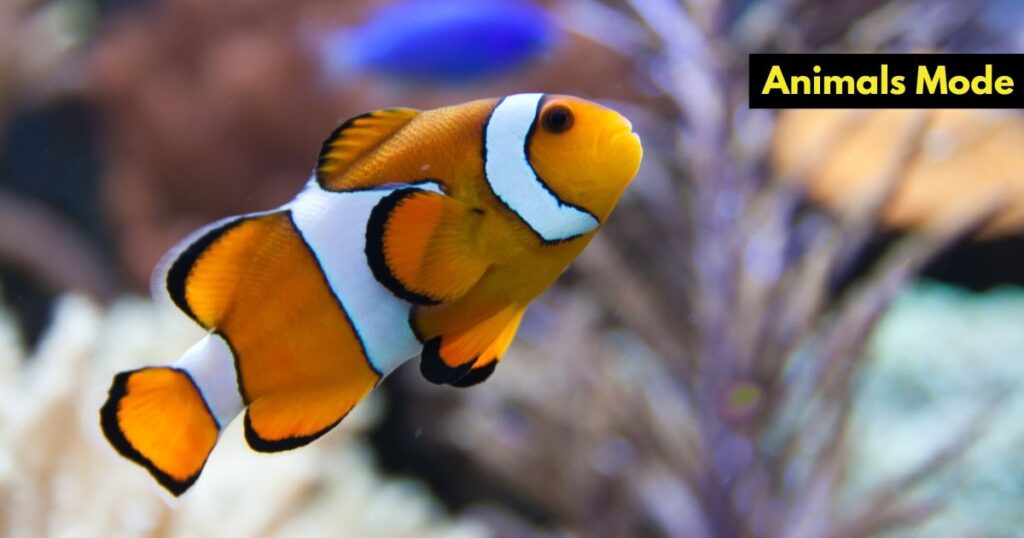
Scientific Name: Amphiprioninae (subfamily)
Diet: Algae, plankton, small invertebrates, leftovers from sea anemones
Habitat: Warm, shallow coral reefs of the Indian and Pacific Oceans
Clownfish live inside sea anemones — creatures with stinging tentacles that paralyze most fish on contact. But clownfish are coated in a special mucus layer that covers their scales and mimics the chemical signature of the anemone itself. The anemone doesn’t fire. So the clownfish gets a home, and the anemone gets cleaned and defended. That’s not luck — that’s a 50-million-year-old deal forged through co-evolution.
Here’s the part that surprises almost everyone: all clownfish are born male. The largest fish in any group becomes female. If that female dies, the dominant male changes sex and takes over. The transformation is complete — behavioral and biological. So every clownfish you’ve ever seen started life as male. Every single one.
11. Goldfish
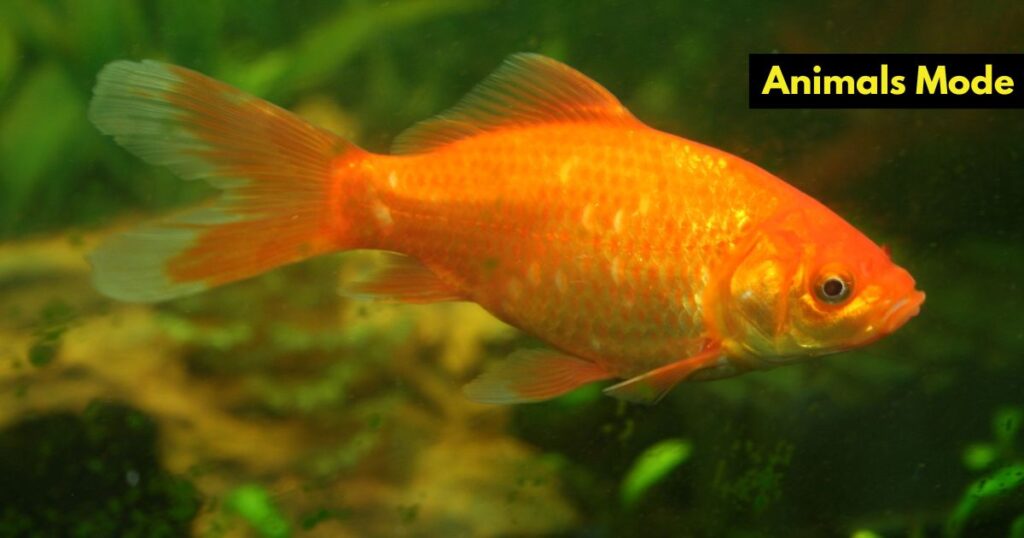
Scientific Name: Carassius auratus
Diet: Plant matter, insects, small crustaceans, fish pellets
Habitat: Originally from slow rivers and ponds in East Asia; now found in tanks and ponds worldwide
Goldfish were domesticated in China over 1,000 years ago from wild silver-grey carp. The golden-orange color we associate with them today was a genetic mutation that breeders noticed and intentionally selected. Their scales contain xanthophores and erythrophores — pigment cells that produce yellow and red tones — which combine to create that familiar bright orange.
Here’s the thing about the “3-second memory” myth: it’s completely false. Studies at the University of Plymouth showed goldfish can be trained to press levers at specific times of day, demonstrating a memory span of at least 3 months. Some goldfish in home aquariums learn to recognize their owners and swim to the surface when that specific person approaches — ignoring strangers entirely. That’s not a fish with no memory. That’s a fish paying attention.
12. Common Carp
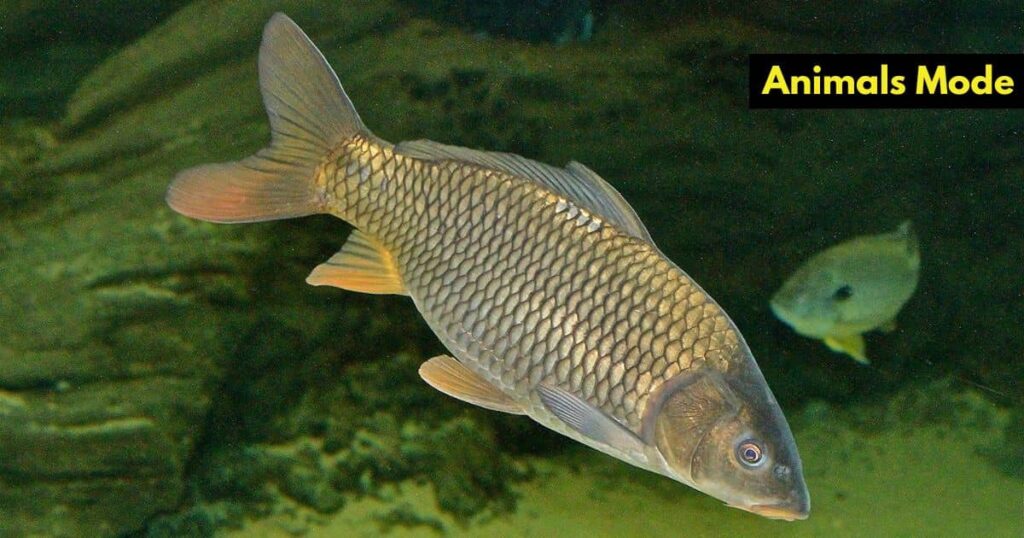
Scientific Name: Cyprinus carpio
Diet: Insects, worms, plant roots, algae, crustaceans
Habitat: Slow-moving freshwater rivers, lakes, and ponds — originally from Asia, now on every inhabited continent
The common carp is one of the most ecologically impactful fish ever moved by humans. Originally from the rivers of Central Asia, it was introduced to Europe for food in the Middle Ages, then carried to the Americas and Australia — where it became one of the world’s most damaging invasive species.
What’s fascinating is how it damages ecosystems. Carp root through the bottom sediment with their large, muscular mouths — searching for food by feel, not sight. Their large, circular scales can grow up to the size of a 50-cent coin. As they dig, they stir up phosphorus locked in the mud, triggering algae blooms that choke out aquatic plants and cloud the water. One medium-sized carp can disturb over a square meter of riverbed per day. That’s a single fish reshaping an entire pond’s chemistry.
13. Penguin
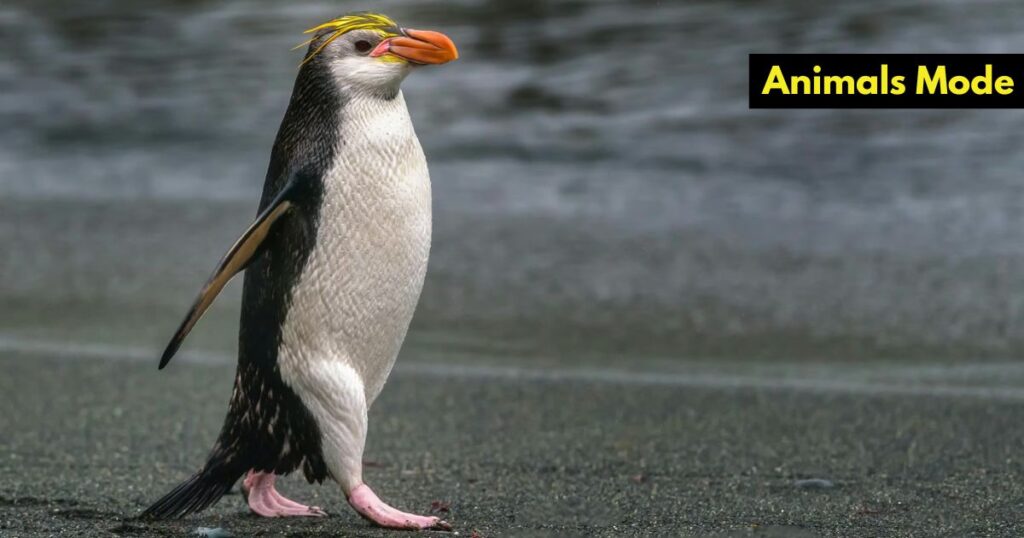
Scientific Name: Spheniscidae (family)
Diet: Fish, squid, krill
Habitat: Southern Hemisphere — Antarctica, South Africa, South America, New Zealand, Galápagos Islands
Wait — penguins have scales? Not quite on their body, but their feet and lower legs are covered in small, overlapping scales very similar to those of reptiles. This is a direct evolutionary link to their shared ancestry with other scaled vertebrates. Penguins are birds, but their feet look more reptilian than most people expect.
What penguins are truly extraordinary for is hydrodynamics. Their feathers are so tightly packed and evenly distributed that they function almost like a second skin — reducing drag in water the same way scales do on a fish. The Gentoo penguin (Pygoscelis papua) is the fastest underwater bird on Earth, reaching 36 km/h — faster than most Olympic swimmers can achieve even at the surface. And their bones, unlike most birds, are dense and heavy — which helps them dive rather than float.
14. Eagle
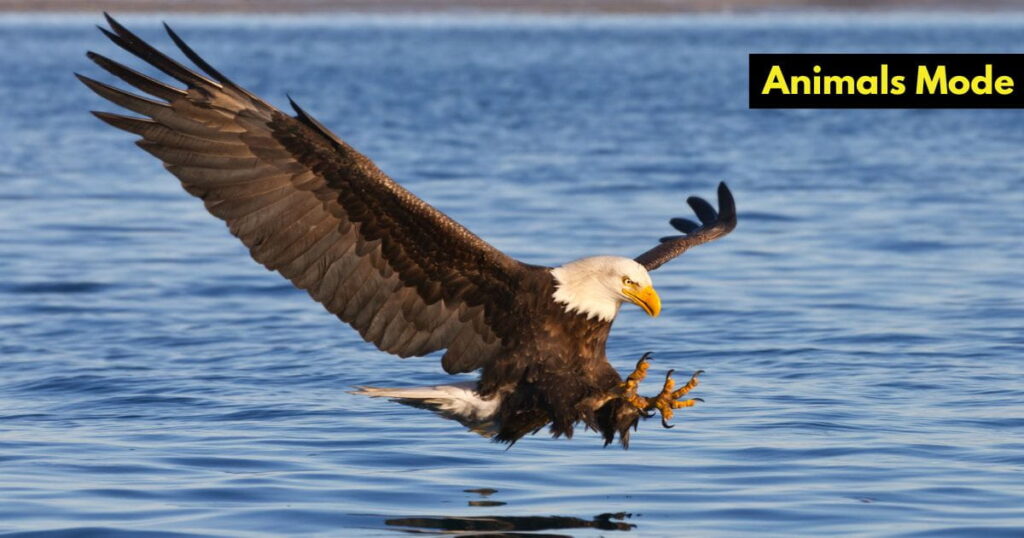
Scientific Name: Accipitridae (family)
Diet: Fish, small mammals, reptiles, carrion (varies by species)
Habitat: Mountains, forests, coastlines, and open plains — found on every continent except Antarctica
Like penguins, eagles carry their scaled heritage on their feet and talons. Those tough, scaled legs aren’t just armor — they’re sensory tools. When a bald eagle (Haliaeetus leucocephalus) catches a fish, it can feel the fish struggling through the scales on its feet and adjust its grip in real time. The talons lock closed with a tendon mechanism that requires no muscular effort to maintain — meaning an eagle can hold a struggling fish without tiring its grip.
The Philippine eagle (Pithecophaga jefferyi) takes this further. With a wingspan reaching 2.2 meters, it hunts flying lemurs mid-air — animals the size of a small cat. It strikes so fast that prey rarely knows the attack is coming. The scaled feet absorb the impact of the strike like shock absorbers, protecting the bird’s own skeleton from the collision force.
15. Butterfly
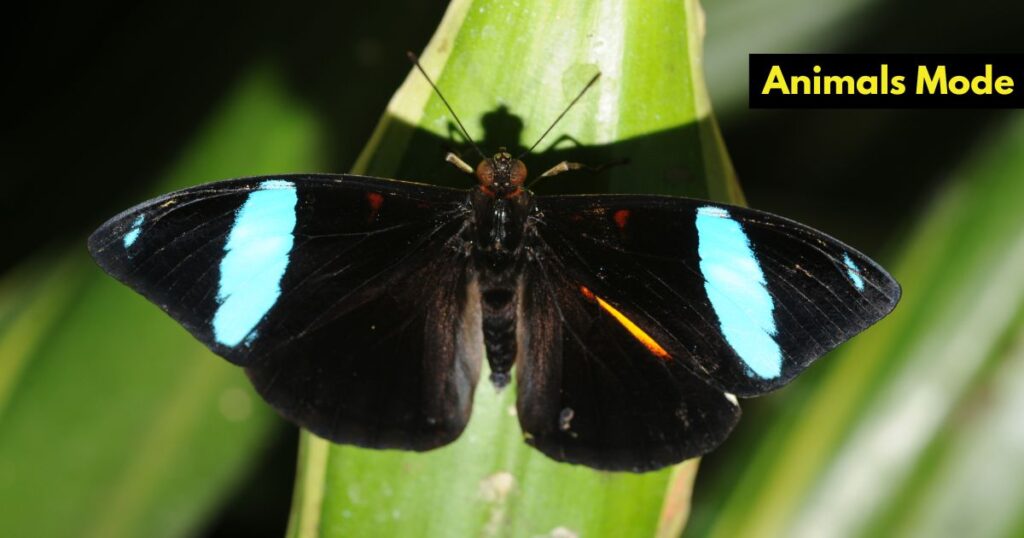
Scientific Name: Lepidoptera (order)
Diet: Nectar (adults); leaves and plant matter (caterpillars)
Habitat: Every continent except Antarctica — from tropical rainforests to alpine meadows
Butterflies have scales — just not the kind most people imagine. Their wings are covered in thousands of microscopic, overlapping scales made of chitin — the same material as insect exoskeletons. Run a butterfly wing between your fingers and the powdery residue is literally loose wing scales. Each one is roughly 0.1 millimeters long, arranged in precise overlapping rows like roof tiles.
And those scales do far more than create color. In the Morpho butterfly, the scales contain no blue pigment at all. The vivid blue color comes entirely from nano-scale ridges that diffract light at specific wavelengths — producing a blue so intense it’s visible from a quarter mile away. Engineers are now studying Morpho wing scales to build more efficient solar panels and anti-reflective coatings. A butterfly figured out structural optics 70 million years before humans tried to.
Discover More Animals:
FAQ’s About Animals with Scales
Do all reptiles have scales?
Yes, all reptiles have scales or scutes of some kind. It’s one of the defining features of the reptile class — covering their skin for protection, moisture retention, and temperature regulation.
Why do fish have scales?
Fish scales provide physical protection, reduce friction in water, and in some species reflect light as camouflage. They also record age — you can count growth rings on a fish scale like rings on a tree.
Are butterfly wings really made of scales?
Yes. Butterfly wings are covered in thousands of tiny chitin scales arranged like roof tiles. These scales create color through pigment or light diffraction, and they rub off as a fine powder when touched.
What is the difference between scales and scutes?
Scales are small, flat, and often overlapping — found on fish and snakes. Scutes are larger, thicker, and more rigid — found on turtles, crocodilians, and bird feet. Both are made of keratin or bone material.
Do any warm-blooded animals have scales?
Yes — pangolins are the only mammals fully covered in scales made of keratin. Birds like eagles and penguins have scales on their feet and legs, a direct evolutionary remnant from their reptilian ancestors.

I’m Pedro, and I love learning about animals. I spend my time reading and researching how animals live, eat, move, and survive. I share simple, accurate facts to help everyone understand and enjoy the amazing world of wildlife.