Quiet animals are species that rarely or never produce vocal sounds. Instead of calling, growling, or chirping, they rely on silence as a survival tool. These animals communicate through movement, color, chemical signals, or touch. From the deep ocean to mountain forests, quiet animals have evolved to thrive without making a single noise.
Quick Quiet Animals Table
| Animal Name | Scientific Name |
| Leaf Insect | Phyllium giganteum |
| Sea Anemone | Actiniaria |
| Snow Leopard | Panthera uncia |
| Jellyfish | Medusozoa |
| Octopus | Octopus vulgaris |
| Butterfly | Lepidoptera |
| Salamander | Caudata |
| Hare | Lepus europaeus |
| Slow Worm | Anguis fragilis |
| Sponge | Porifera |
| Damselfly | Zygoptera |
| Silverfish | Lepisma saccharina |
| Hydra | Hydra vulgaris |
| Ribbon Worm | Nemertea |
1. Leaf Insect
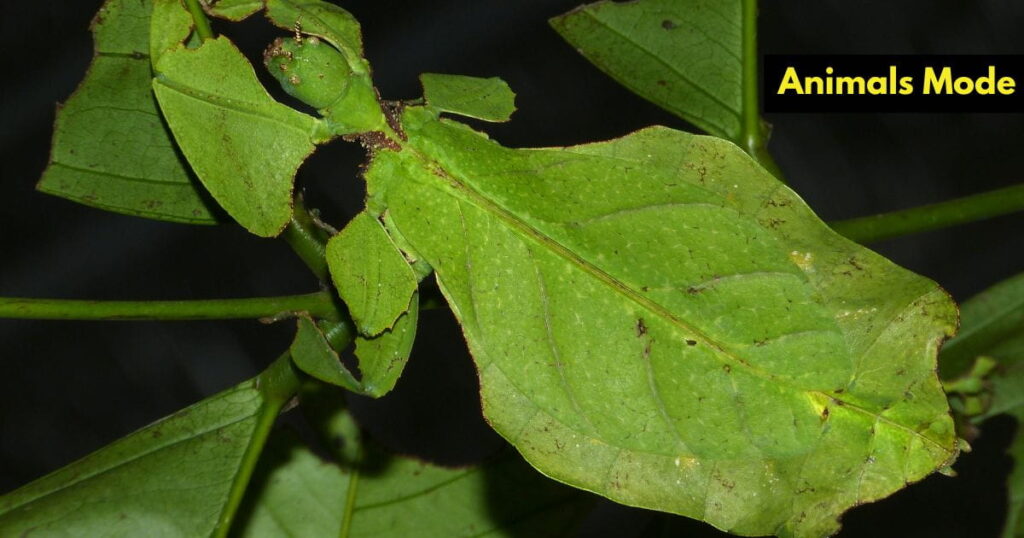
- Scientific Name: Phyllium giganteum
- Diet: Leaves of mango, guava, and bramble plants
- Habitat: Tropical rainforests of Southeast Asia, especially Malaysia and the Philippines
Walk through a Malaysian rainforest and you might reach out to grab a leaf — only to watch it walk away. That’s the leaf insect. It’s one of the most extreme camouflage artists alive today. Its body is flat, wide, and green. Brown patches on its wings even mimic the look of decaying leaf edges. It sits completely still during the day and eats at night.
What makes the leaf insect truly remarkable is how its disguise works on multiple levels. It doesn’t just look like a leaf — it sways gently when it moves, copying the motion of a leaf in the breeze. Scientists call this “thanatosis mimicry combined with kinetic camouflage.” No other insect does both at the same time quite like this. The females are bigger, reaching about 10 cm long — roughly the size of a playing card. Males are smaller and can actually fly.
2. Sea Anemone
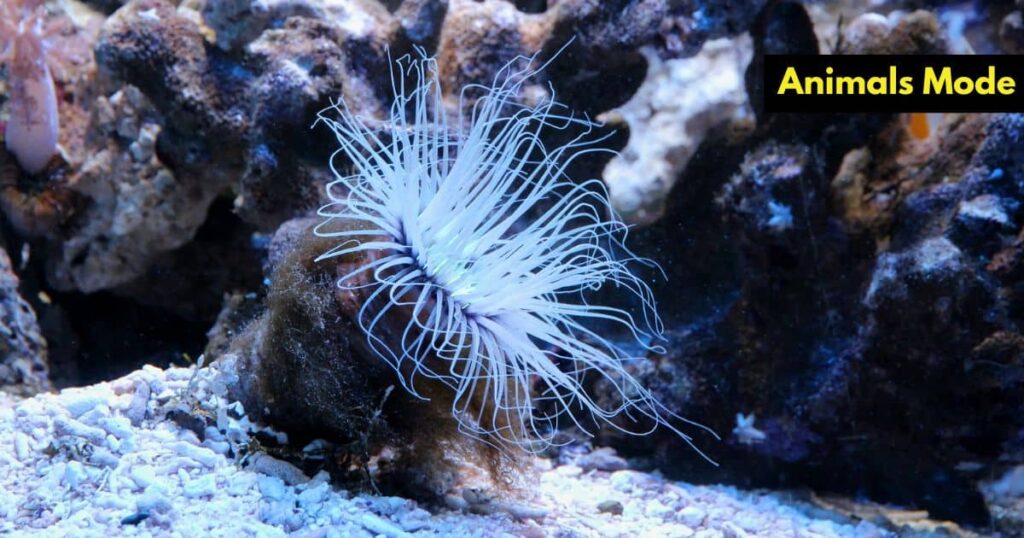
- Scientific Name: Actiniaria
- Diet: Small fish, plankton, zooplankton, and small crustaceans
- Habitat: Coastal waters worldwide, from rock pools to deep-sea floors
Sea anemones look like underwater flowers. But they’re predators. They sit anchored to rocks, coral, or the seafloor, waiting for something to swim close enough. Their tentacles contain tiny harpoon-like cells called nematocysts. The moment a small fish brushes against one, these cells fire venom in microseconds — faster than a blink.
Here’s the surprising part: a sea anemone and a clownfish have one of the most studied partnerships in nature. The anemone protects the clownfish with its stinging tentacles. The clownfish brings in food scraps and drives away fish that would eat the anemone’s tentacles. But the anemone also does something researchers find deeply odd — it can clone itself. Split one in half, and you get two fully functioning anemones. Some anemones alive today may be hundreds of years old, making them among the longest-lived soft-bodied animals on Earth.
3. Snow Leopard
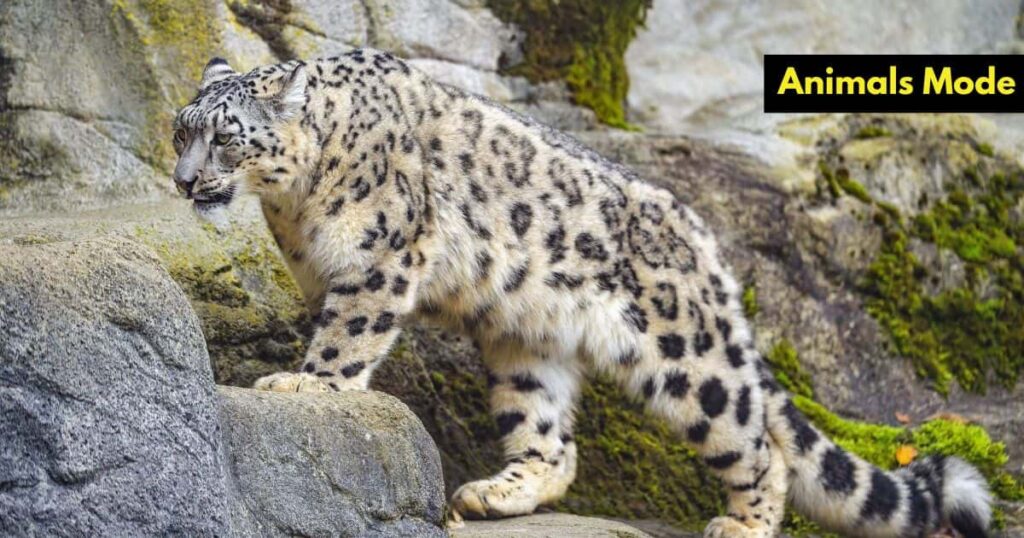
- Scientific Name: Panthera uncia
- Diet: Blue sheep (bharal), ibex, marmots, and smaller mammals
- Habitat: High mountain ranges of Central Asia — Himalayas, Karakoram, Altai
The snow leopard is the ghost of the mountains. People who live in the Himalayas go entire lifetimes without seeing one. Unlike lions or tigers, snow leopards cannot roar. Their throat anatomy is built differently — the hyoid bone in their skull is partially ossified rather than fully flexible, which means they can’t produce that deep, resonant roar. What they do instead is “chuff” — a soft, puffing sound used between individuals.
Snow leopards are built for vertical terrain that would stop most large predators dead. Their tails are nearly as long as their bodies — up to 90 cm — and they use them like a balance pole when leaping across rocky cliffs. Their paws are so wide they function like natural snowshoes. A snow leopard can leap up to 9 meters horizontally in a single bound. They hunt alone, mostly at dawn and dusk, and they cover territories of up to 1,000 square kilometers. Silent, solitary, and almost mythically elusive.
4. Jellyfish
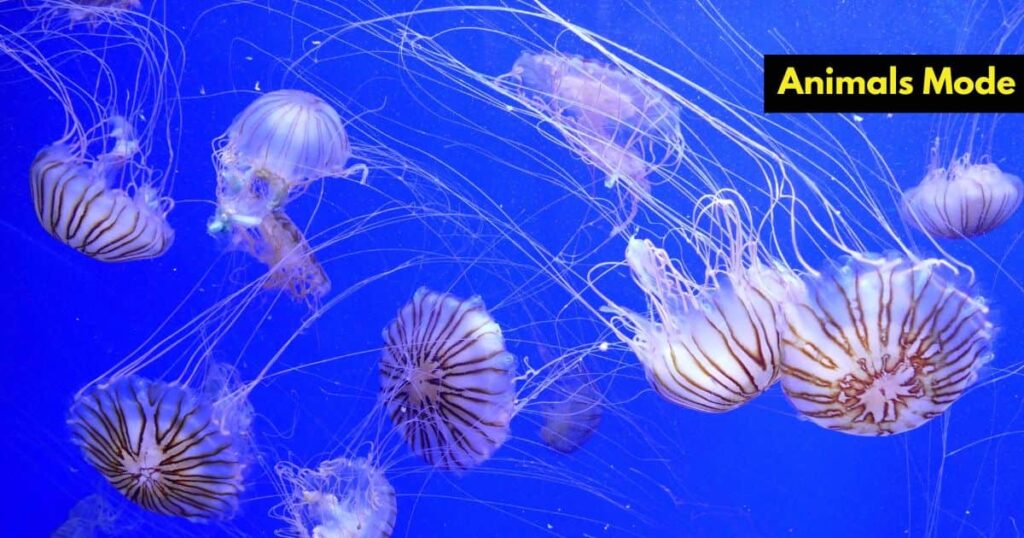
- Scientific Name: Medusozoa
- Diet: Plankton, fish eggs, tiny crustaceans, and sometimes other jellyfish
- Habitat: Every ocean on Earth, from surface waters to depths over 7,000 meters
Jellyfish have no brain, no heart, no lungs, and no bones. They’re made of about 95% water. And yet they’ve survived for over 500 million years — longer than dinosaurs, longer than most things alive today. They drift with ocean currents but can also pulse their bell-shaped bodies to steer direction. It’s not random floating. Some species actively migrate vertically through the water column each day.
What stands out is the immortal jellyfish, Turritopsis dohrnii. When stressed or old, it reverts back to its juvenile polyp stage and starts its life cycle over again. It is, biologically, the only known animal that can restart its entire life. But even ordinary jellyfish have a surprising trick — their bioluminescence. Many species glow blue or green when disturbed in dark water. This light isn’t just beautiful. It may function as a “burglar alarm,” attracting larger predators to eat whatever just attacked the jellyfish.
5. Octopus
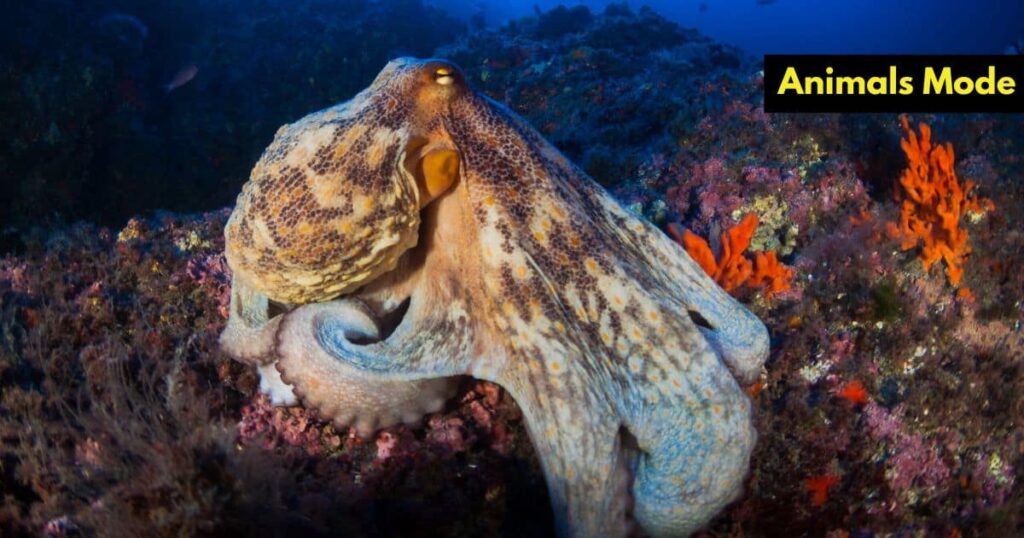
- Scientific Name: Octopus vulgaris
- Diet: Crabs, clams, shrimp, and small fish
- Habitat: Coral reefs, rocky seabeds, and coastal waters across tropical and temperate oceans
The octopus is arguably the most intelligent invertebrate on the planet. It has three hearts, blue blood, and a brain wrapped around its throat. Each of its eight arms has its own cluster of neurons — meaning each arm can taste, feel, and react independently, without waiting for instructions from the central brain. That’s like having eight semi-independent helpers all working at once.
Octopuses solve problems that stump many vertebrates. They’ve been filmed opening child-proof pill bottles, navigating mazes, and even unscrewing jars from the inside. One study found that octopuses in captivity would throw objects at researchers they disliked. They also sleep — and during sleep, their skin flashes rapidly through colors and patterns, suggesting they may experience something like dreaming. For an animal with no skeleton that lives only 1–2 years, this level of intelligence is extraordinary.
6. Butterfly
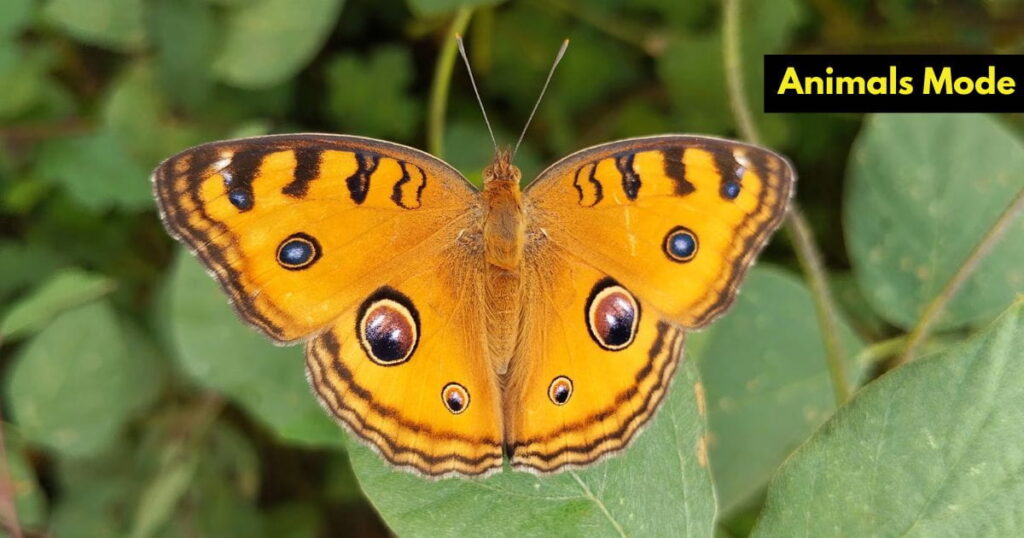
- Scientific Name: Lepidoptera
- Diet: Nectar (adults); leaves (caterpillars)
- Habitat: Every continent except Antarctica — meadows, forests, gardens, and tropical zones
Butterflies are completely silent fliers. Unlike bees or beetles, their wing scales don’t produce buzzing. A butterfly’s wings are covered in thousands of tiny scales — each one smaller than a grain of sand — that are actually modified hairs. These scales give butterflies their color. But not all of that color is pigment-based. Some colors, like the electric blue of a Morpho butterfly, come from microscopic structures that bend light. This is called structural color, and it doesn’t fade even in museum specimens centuries old.
Here’s something most people don’t know: butterflies taste with their feet. Tiny chemoreceptors on their legs detect sugar, salt, and plant chemistry the moment they land. A female uses this to check if a plant is the right species for laying eggs. A monarch butterfly, for instance, will only lay eggs on milkweed. She doesn’t sniff it or look at it carefully — she just lands and knows within seconds. The whole decision takes less time than tying a shoelace.
7. Salamander
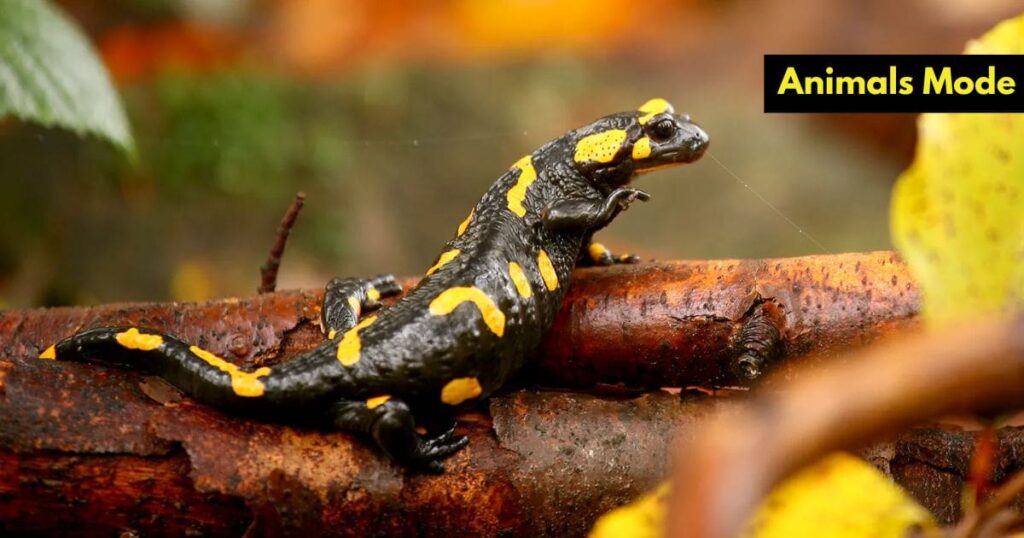
- Scientific Name: Caudata
- Diet: Worms, insects, slugs, and small invertebrates
- Habitat: Moist forests, ponds, streams, and caves across North America, Europe, and Asia
Salamanders are easy to overlook. They’re small, slow-moving, and tend to hide under logs or rocks in damp places. Most species make no sound at all. But underneath that quiet exterior is one of the most remarkable regeneration systems in the vertebrate world. A salamander can regrow a lost limb completely — bones, muscle, nerves, and skin — in a matter of weeks.
What’s more, they can regrow parts of their heart and even sections of their brain. Scientists studying this process have found that when a salamander loses a limb, the cells near the wound actually de-differentiate — they essentially revert to an earlier, younger state and rebuild from scratch. This is not scar tissue filling a gap. It is a fully functional new limb. Researchers studying spinal cord injuries and stroke recovery are studying salamanders closely because of this. No other four-limbed vertebrate does this as completely.
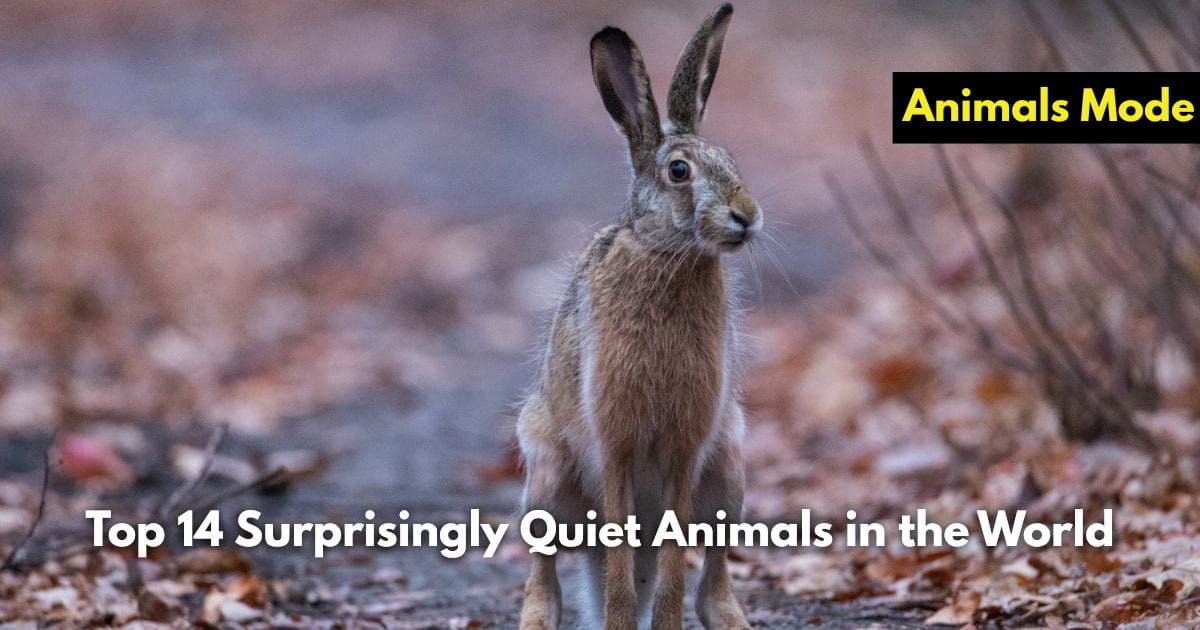
8. Hare
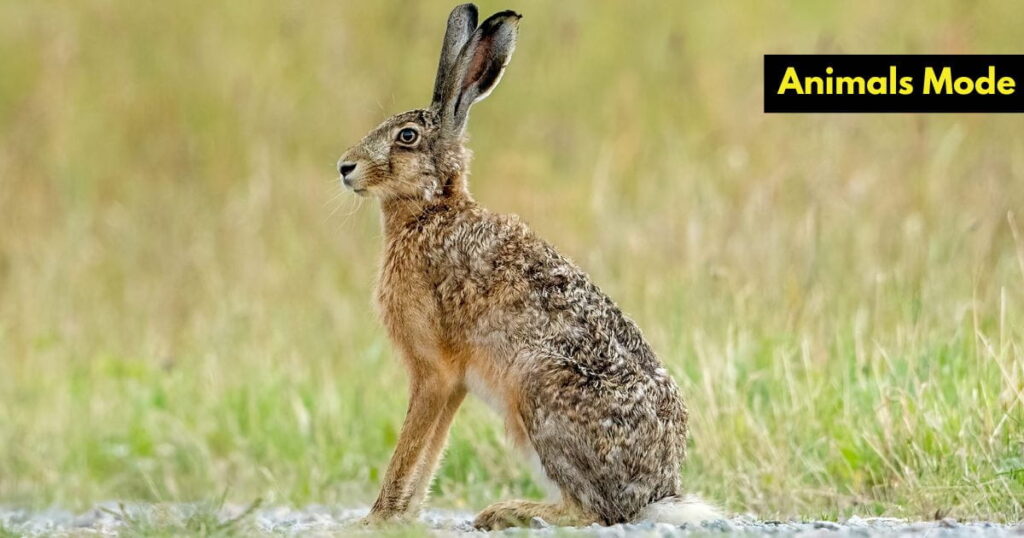
- Scientific Name: Lepus europaeus
- Diet: Grasses, herbs, bark, and twigs
- Habitat: Open grasslands, farmland, moorlands, and forest edges across Europe and Asia
Hares look similar to rabbits, but they’re built for a completely different life strategy. Rabbits burrow. Hares don’t. A hare lives entirely above ground, relying on speed and silence to survive. It can reach 70 km/h in short bursts — faster than a greyhound. And when chased, it doesn’t just run in a straight line. It zigzags in unpredictable patterns, cutting sharply every few strides to break a predator’s momentum.
What stands out is how hares sleep. They don’t fully close their eyes. A hare rests in a shallow depression called a “form” — just a flattened patch in the grass. Its eyes are positioned on the sides of its head, giving it nearly 360-degree vision. So even while resting, it watches everything around it. A sleeping hare can detect movement before a predator gets within striking range. It’s one of nature’s most refined alert systems built into an animal that never makes a sound.
9. Slow Worm
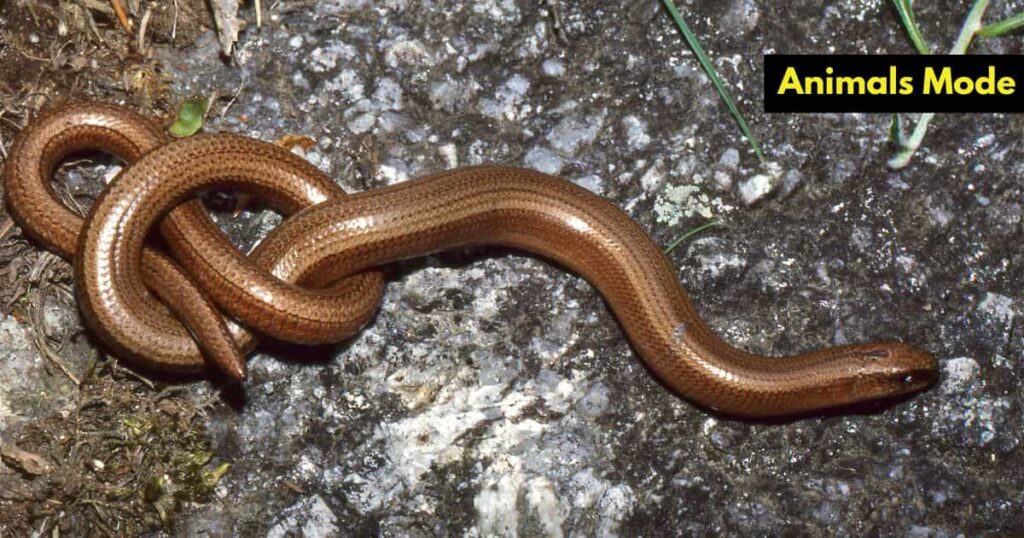
- Scientific Name: Anguis fragilis
- Diet: Slugs, earthworms, and soft-bodied insects
- Habitat: Gardens, hedgerows, woodland edges, and grasslands across Europe and western Asia
The slow worm looks like a snake. But it’s actually a legless lizard — and the difference matters. Unlike snakes, slow worms have eyelids they can blink, and they can shed their tail when grabbed by a predator. The tail wriggles on the ground to distract attention while the slow worm escapes. This is called autotomy, and it’s a feature snakes simply don’t have.
Here’s the surprising part: slow worms are one of the longest-lived lizards in the world. In the wild, they regularly live 20–30 years. One captive individual reportedly reached 54 years. For an animal the size of a pencil — about 40–50 cm long — that’s a remarkable lifespan. They’re also almost completely silent, moving through leaf litter and soil with barely a sound, hunting slugs with a precision that makes them a gardener’s best friend.
10. Sponge
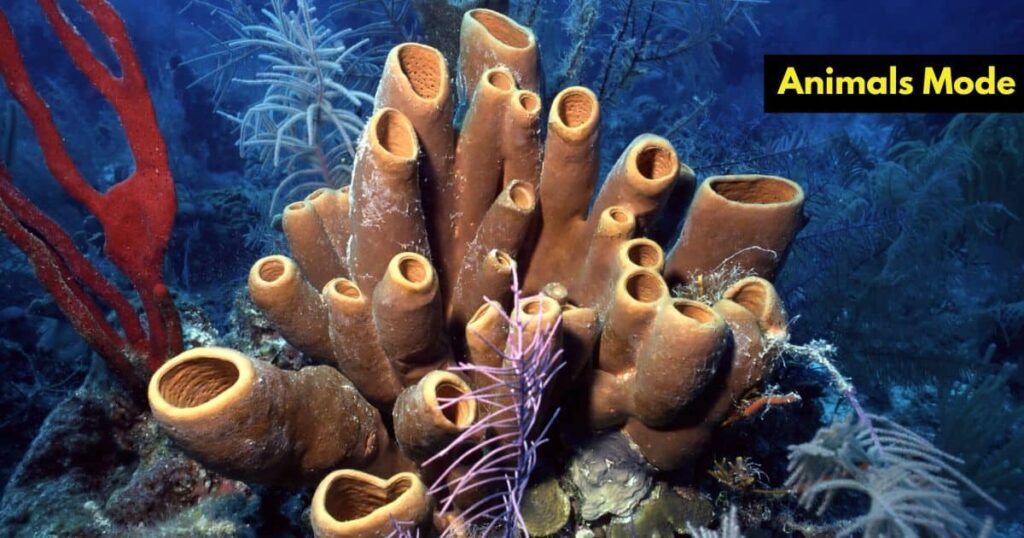
- Scientific Name: Porifera
- Diet: Bacteria, dissolved organic matter, and microscopic particles filtered from water
- Habitat: Marine environments worldwide — from shallow reefs to ocean depths over 8,000 meters
Sponges are the simplest multicellular animals on Earth. They have no nervous system, no muscles, and no organs. And yet they’re not just passive blobs. A sponge pumps water through its body constantly, filtering out bacteria and organic particles. A sponge the size of a large potato can filter over 20 liters of water every single day.
What makes sponges genuinely fascinating is their skeleton. Many species produce tiny glass-like structures called spicules made of silicon dioxide — the same material as glass. Some deep-sea sponges build spicules so precisely arranged that engineers have studied them to design better fiber-optic cables. The Venus’ flower basket sponge (Euplectella aspergillum) builds a lattice structure that modern architects have replicated in building design. For an animal without a brain, it builds better than most creatures that have one.
11. Damselfly
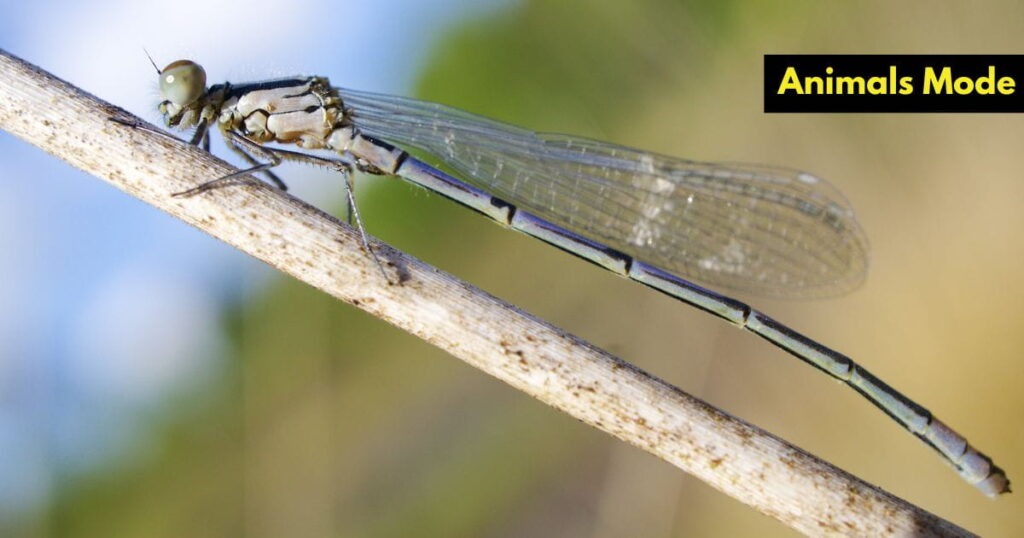
- Scientific Name: Zygoptera
- Diet: Mosquitoes, gnats, midges, and other small flying insects
- Habitat: Near freshwater streams, ponds, lakes, and marshes across every continent except Antarctica
Damselflies look like dragonflies but are narrower and hold their wings folded along their body when resting — dragonflies hold theirs out flat. That’s an easy way to tell them apart. But what makes the damselfly extraordinary is its hunting accuracy. Studies have shown damselflies catch over 90% of the prey they chase. That’s one of the highest success rates of any predator on Earth — higher than lions (25–30%), cheetahs (40–50%), or even great white sharks.
The trick is target fixation. A damselfly locks onto one insect in a swarm and adjusts its flight path to intercept it, rather than chasing it. It predicts where the prey will be and flies there. This requires the kind of forward-planning we usually associate with much larger, more complex brains. All of this happens in complete silence — no buzz, no call, just a quick flash of wings and a catch.
12. Silverfish
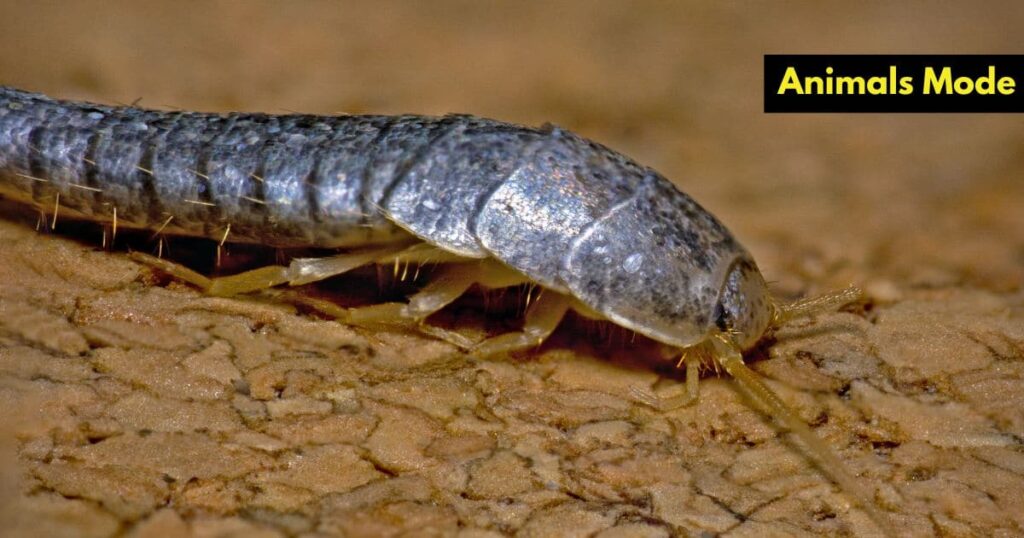
- Scientific Name: Lepisma saccharina
- Diet: Starch, cellulose, book glue, wallpaper paste, and fabric
- Habitat: Dark, humid areas in homes — bathrooms, basements, kitchens, and libraries worldwide
Silverfish are survivors from an ancient era. They belong to one of the oldest insect lineages on the planet, dating back roughly 400 million years. That means they were crawling around before dinosaurs existed, before flowers evolved, and before most forests took shape. And they’ve barely changed since. The silverfish you find in your bathroom today looks almost identical to specimens preserved in ancient rock.
What sets them apart from almost every other insect is that they never develop wings — at any stage of their life. Most insects are either always wingless or develop wings as they mature. Silverfish stay wingless their whole lives. They also molt continuously throughout their entire lifespan — most insects stop molting once they reach adulthood, but a silverfish can molt over 50 times across its life. They’re fast, flat, and nearly impossible to catch, squeezing through cracks only 1 mm wide.
13. Hydra
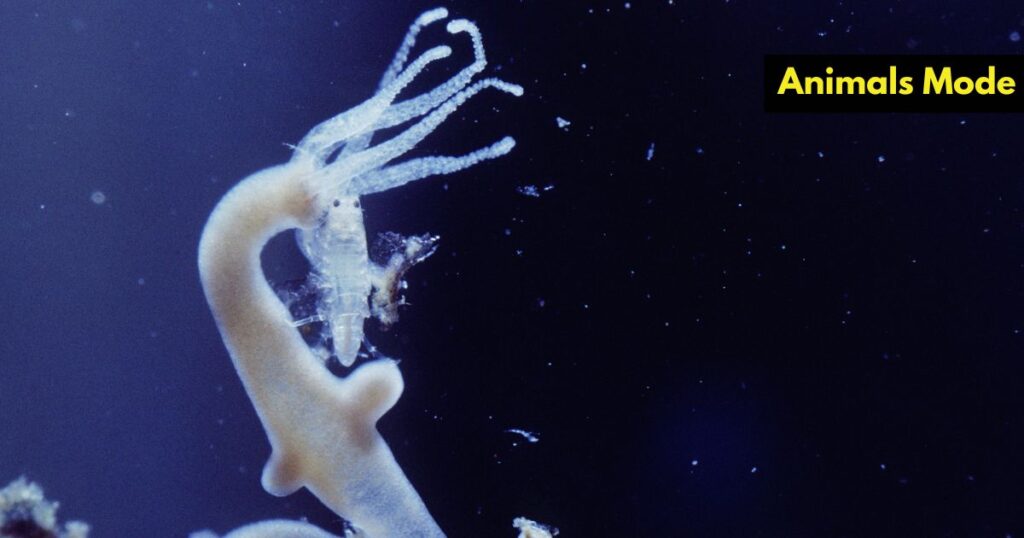
- Scientific Name: Hydra vulgaris
- Diet: Water fleas, small worms, and tiny crustaceans
- Habitat: Clean, freshwater ponds, lakes, and slow-moving streams in temperate regions
The hydra is a tiny freshwater animal — usually no longer than 1–2 cm. You’d need a magnifying glass to see it clearly. But don’t let its size fool you. The hydra may be biologically immortal. Unlike most animals, hydra cells don’t appear to age. Their stem cells divide and replace worn-out cells indefinitely, and studies have found no increase in death rate as hydra get older.
And here’s the truly wild part: a hydra can be completely disassembled — pushed through a fine mesh so all its cells are separated — and it will reassemble itself into a functioning animal within a few days. The cells recognize each other and sort themselves back into the right positions. No brain. No instruction. Just cell-level chemical communication doing something that looks, from the outside, like a miracle.
14. Ribbon Worm
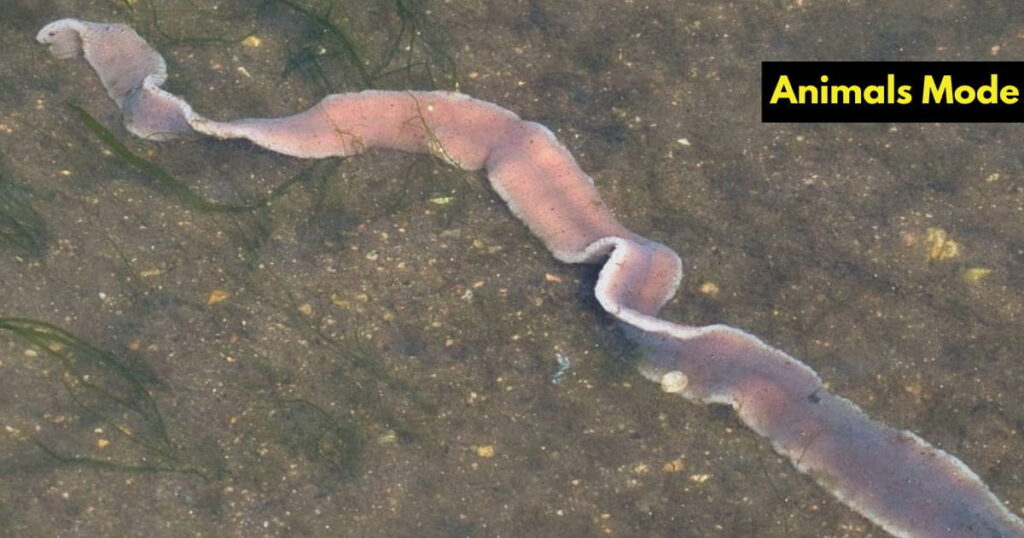
- Scientific Name: Nemertea
- Diet: Small worms, crustaceans, mollusks, and dead organic matter
- Habitat: Marine sediments, rocky coastlines, and shallow seafloor habitats worldwide
Ribbon worms are some of the strangest, least-talked-about animals in the ocean. They look like long, flattened noodles — some species are just a few centimeters, but the bootlace worm (Lineus longissimus) can stretch to over 30 meters. That makes it a candidate for the longest animal on Earth. A blue whale reaches about 25–29 meters. Some ribbon worms are longer.
What makes them genuinely unsettling — in the best possible way — is their proboscis. Hidden inside their body is a long, sticky, or venomous tube that shoots out to catch prey. It extends faster than the eye can easily track and wraps around or pierces the target. Some species inject neurotoxins potent enough to paralyze prey many times their own size. For an animal with no skeleton, no shell, and no legs, the ribbon worm is one of the most effective ambush hunters on the planet — and it does all of it without making a single sound.
Discover More Animals:
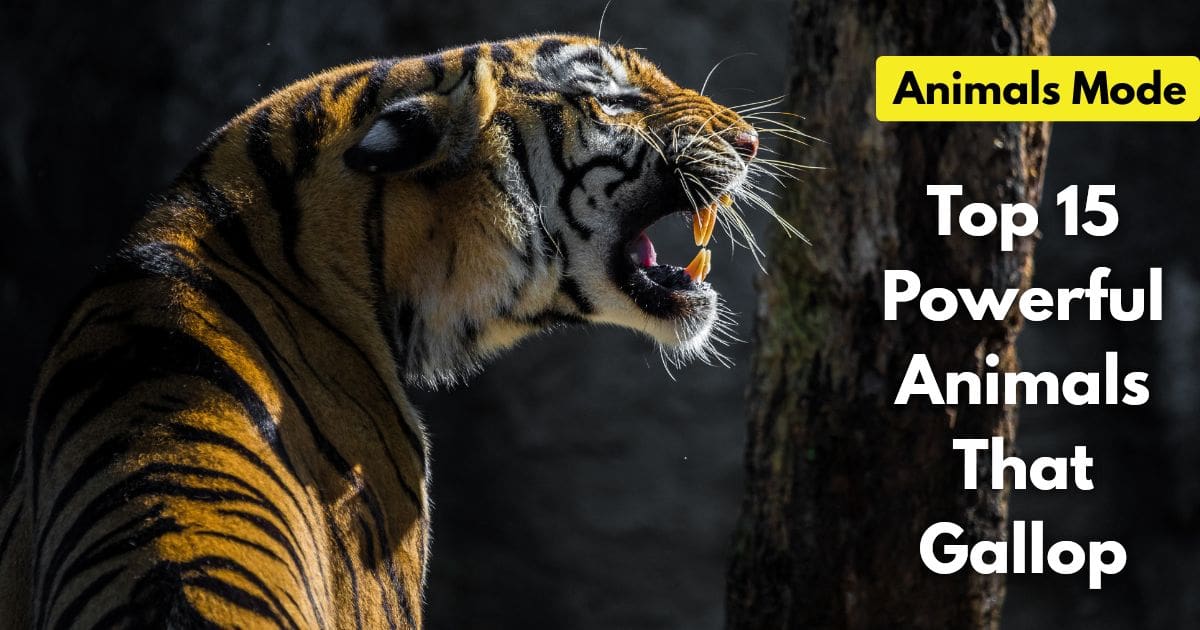
Top 15 Powerful Animals That Gallop (Images and Facts)
FAQ’s About Silent Animals
Why are some animals completely silent?
Many animals evolved silence as a survival strategy. Making sound attracts predators. For prey animals, staying quiet means staying alive. Others, like sea anemones and sponges, simply lack the anatomy to produce sound at all.
Can quiet animals still communicate?
Yes. Quiet animals communicate through chemical signals (pheromones), color changes, body posture, touch, and even bioluminescence. Octopuses, for example, change skin color and texture to send messages.
Is the snow leopard really unable to roar?
Yes. Snow leopards cannot produce a full roar due to the structure of their hyoid bone. They chuff, growl softly, and make a yowling call — but nothing like the roar of a lion or tiger.
What is the longest quiet animal in the world?
The ribbon worm (Lineus longissimus) is a strong contender. Some individuals have been measured at over 30 meters in length, making them longer than a blue whale.
Are quiet animals less intelligent than vocal ones?
Not at all. The octopus — one of the quietest sea animals — is also one of the most intelligent invertebrates ever studied. Intelligence and vocalization are completely independent traits in the animal kingdom.

I’m Pedro, and I love learning about animals. I spend my time reading and researching how animals live, eat, move, and survive. I share simple, accurate facts to help everyone understand and enjoy the amazing world of wildlife.