Some animals eat just enough to survive. And then there are these ones. Greedy animals are species that consume far beyond their basic need — driven by fast metabolism, survival instinct, or pure opportunistic behavior. From a shrew that must eat every two hours to a python that swallows deer whole, these are nature’s most voracious, gluttonous, and relentless feeders on Earth.
Quick Table: 15 Greediest Animals in the World
| # | Animal Name | Scientific Name |
| 1 | Tasmanian Devil | Sarcophilus harrisii |
| 2 | Wolverine | Gulo gulo |
| 3 | American Pygmy Shrew | Sorex hoyi |
| 4 | Tigerfish | Hydrocynus vittatus |
| 5 | Pufferfish | Tetraodontidae (family) |
| 6 | Burmese Python | Python bivittatus |
| 7 | Magpie | Pica pica |
| 8 | Puffin | Fratercula arctica |
| 9 | Baboon | Papio ursinus |
| 10 | Coyote | Canis latrans |
| 11 | Weasel | Mustela nivalis |
| 12 | Wild Boar | Sus scrofa |
| 13 | Gorilla | Gorilla gorilla |
| 14 | Chimpanzee | Pan troglodytes |
| 15 | Hyena | Crocuta crocuta |
1. Tasmanian Devil
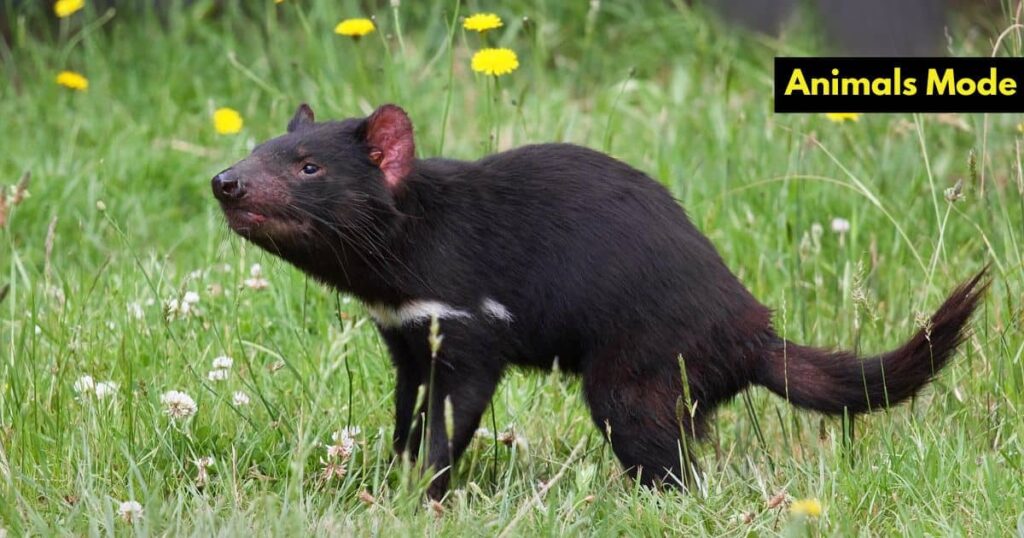
Scientific Name: Sarcophilus harrisii
Diet: Carnivore — bones, fur, organs, everything
Habitat: Tasmania, Australia — forests and coastal scrublands
The Tasmanian Devil looks like a small, stocky dog. But don’t let the size fool you. It is roughly the size of a house cat, yet it carries one of the strongest bites of any mammal relative to its body weight. That jaw can crack through bone like a nutcracker through a shell.
Here’s the surprising part — a Tasmanian Devil can eat up to 40% of its own body weight in a single feeding session. That’s like a 150-pound person eating 60 pounds of food in one sitting. It doesn’t leave anything behind either. Bones, fur, organs — everything disappears. This full-body consumption actually makes it one of the most efficient natural waste-disposal systems in the animal kingdom.
2. Wolverine
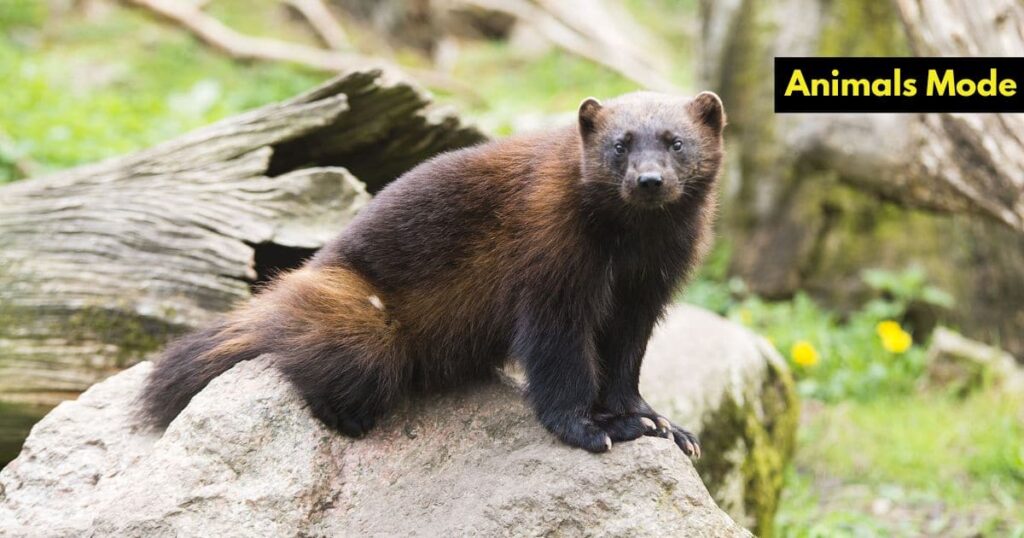
Scientific Name: Gulo gulo
Diet: Carnivore — carrion, small mammals, eggs, berries
Habitat: Arctic tundra and boreal forests across North America, Europe, and Asia
The Wolverine is only about the size of a medium dog — roughly 35 pounds. But it will challenge a bear over a carcass without hesitating. That’s not stupidity. That’s pure survival aggression built over thousands of years in some of the harshest environments on the planet.
What stands out is its scent glands. A Wolverine sprays strong musk on food it can’t finish eating right now. This marks the food as “claimed” and keeps other animals away. It’s basically nature’s version of putting your name on leftovers in the office fridge — except backed up by teeth and fury. In one territory, a single Wolverine can patrol over 500 square miles searching for its next meal.
3. American Pygmy Shrew
Scientific Name: Sorex hoyi
Diet: Insects, worms, small invertebrates
Habitat: Forests and grasslands across North America
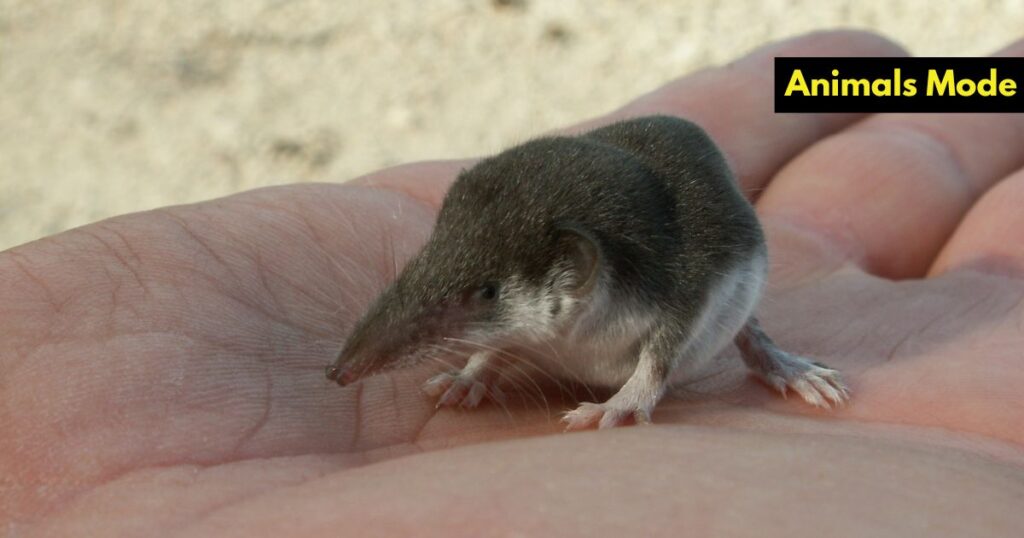
This tiny creature weighs less than a dime — about 2.5 grams. You could hold one in your palm and barely feel it. But the American Pygmy Shrew runs one of the most extreme metabolisms in the entire animal world. Its heart beats over 1,200 times per minute when active.
Because of this insane metabolic rate, it must eat every 15 to 30 minutes — around the clock. If a Pygmy Shrew goes more than two hours without food, it can die. It consumes roughly 3 times its own body weight in food every single day. Compared to humans, that would mean eating over 450 pounds of food daily just to stay alive. No animal on this list eats more relative to its size.
4. Tigerfish
Scientific Name: Hydrocyanus vittatus
Diet: Fish, small birds, anything that enters its zone
Habitat: Congo River and Lake Tanganyika, Africa
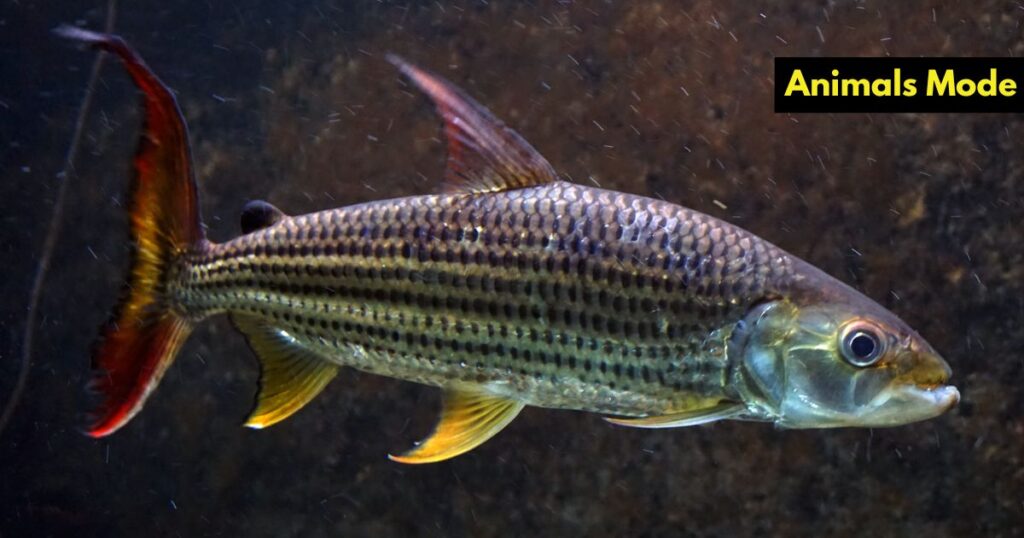
The Tigerfish is Africa’s answer to the piranha — and in some ways, it’s even more terrifying. It has interlocking, razor-sharp teeth that are visible even when its mouth is closed. The teeth don’t fold inward. They stay out, always ready.
What makes the Tigerfish genuinely remarkable is a documented hunting behavior that almost no freshwater fish shares — it has been filmed catching Barn Swallows mid-flight over the Schroda Dam in South Africa. A fish. Catching birds. Out of the air. It times the splash, tracks the bird’s shadow on the water, and strikes at exactly the right moment. That’s not instinct alone. That’s learned, calculated predation from underwater.
5. Pufferfish
Scientific Name: Tetraodontidae
Diet: Algae, mollusks, crustaceans, shellfish
Habitat: Tropical and subtropical ocean waters worldwide
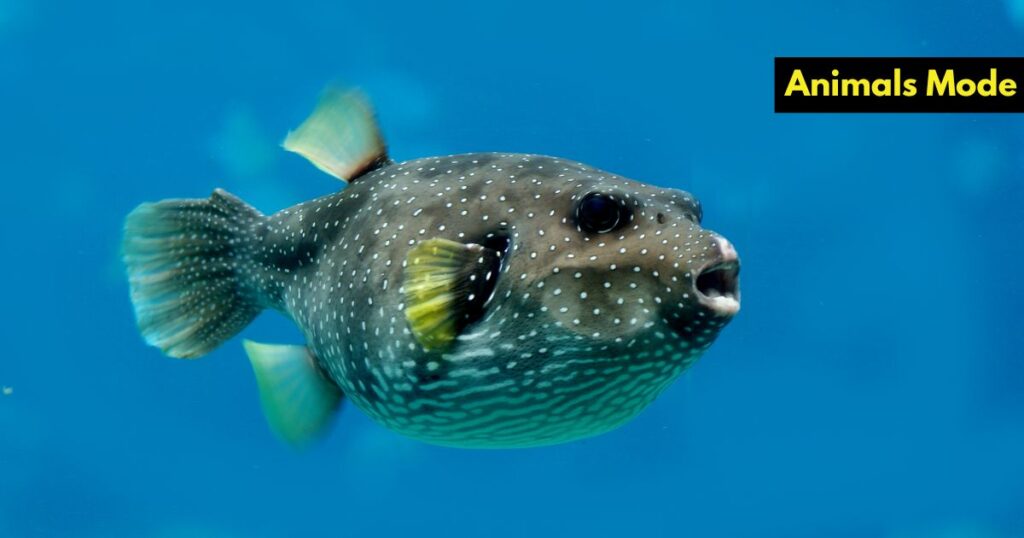
Most fish avoid danger by running. The Pufferfish evolved a completely different strategy — it turned itself into a weapon. When threatened, it swallows water rapidly to inflate its body to three times its normal size, turning into a spiky balloon that’s nearly impossible to swallow.
But here’s what most people miss: pufferfish are relentless grazers. Their beak-like teeth — fused into four plates — never stop growing and must be worn down constantly through feeding. They scrape, bite, and chew through hard coral, shells, and rock surfaces all day long. A pufferfish that can’t grind down those teeth will eventually be unable to eat. The greed isn’t about hunger. It’s about dental survival.
6. Burmese Python
Scientific Name: Python bivittatus
Diet: Mammals, birds, reptiles — prey up to 5x its own girth
Habitat: Southeast Asia; invasive in Florida Everglades
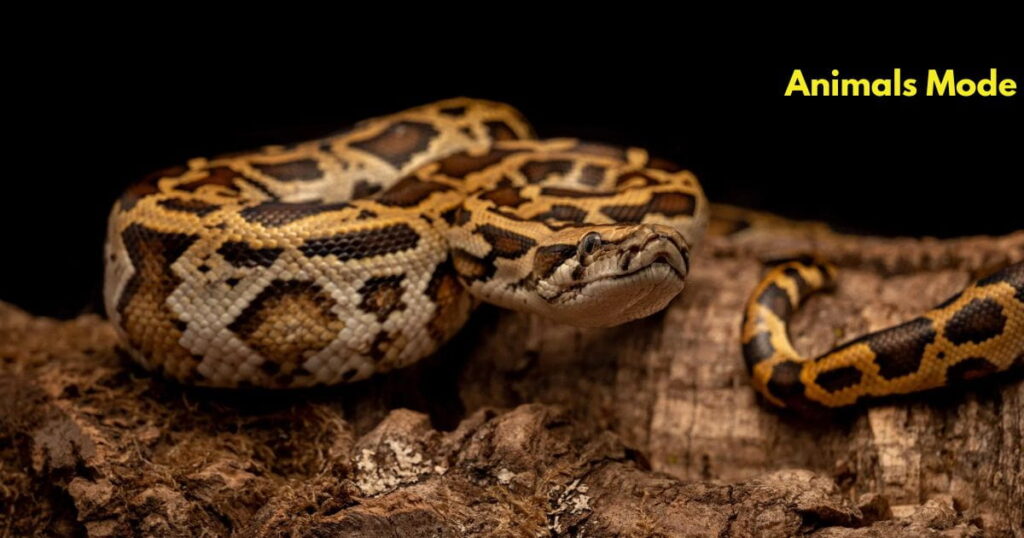
A Burmese Python doesn’t eat every day. But when it does eat, it commits completely. It can swallow a white-tailed deer whole. Its lower jaw disconnects from the upper jaw — the two halves are connected by a flexible ligament, not a fixed joint — allowing it to open its mouth wide enough to engulf animals far larger than its own head.
After a massive meal, a Burmese Python’s organs actually grow. The heart enlarges by up to 40%. The intestines expand. The stomach produces more acid. The body literally upgrades itself to digest the meal — and then shrinks back down afterward. No other feeding adaptation on this list physically rewires the body mid-digestion.
7. Magpie
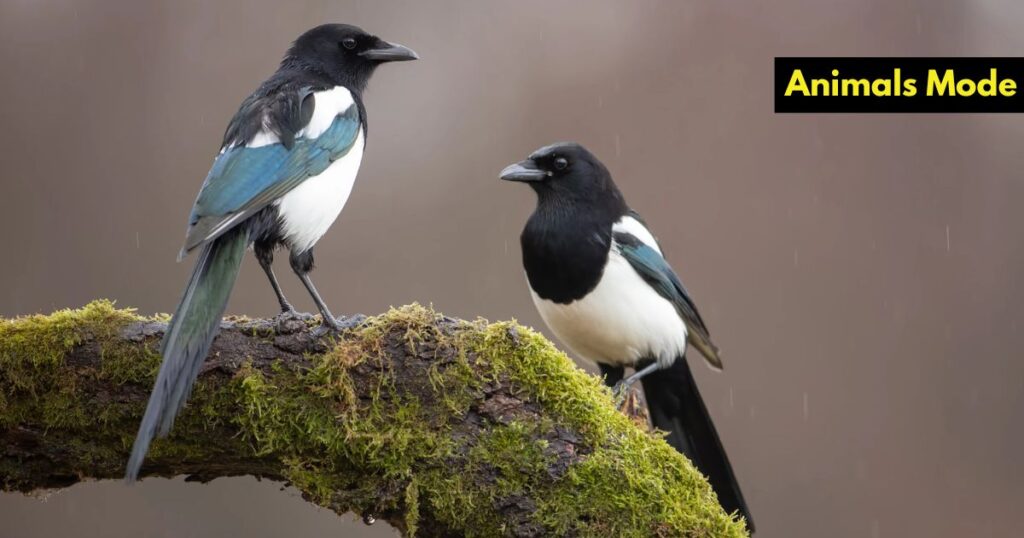
Scientific Name: Pica pica
Diet: Insects, eggs, carrion, small animals, human food scraps
Habitat: Europe, Asia, and western North America — forests, farmland, urban areas
Magpies are not just greedy eaters — they are greedy collectors. They are one of the few non-mammal species that can recognize themselves in a mirror. That level of self-awareness is rare, and it shows up directly in their hoarding behavior. A Magpie will steal food, hide it, and remember exactly where it put it.
But what’s more cunning is this: if a Magpie suspects another bird is watching it bury food, it will go back later, dig it up, and rebury it somewhere else. That’s deceptive planning. It’s not just greed — it’s strategic greed. They’ve been known to cache hundreds of food items across a single territory and still know where most of them are weeks later.
8. Puffin
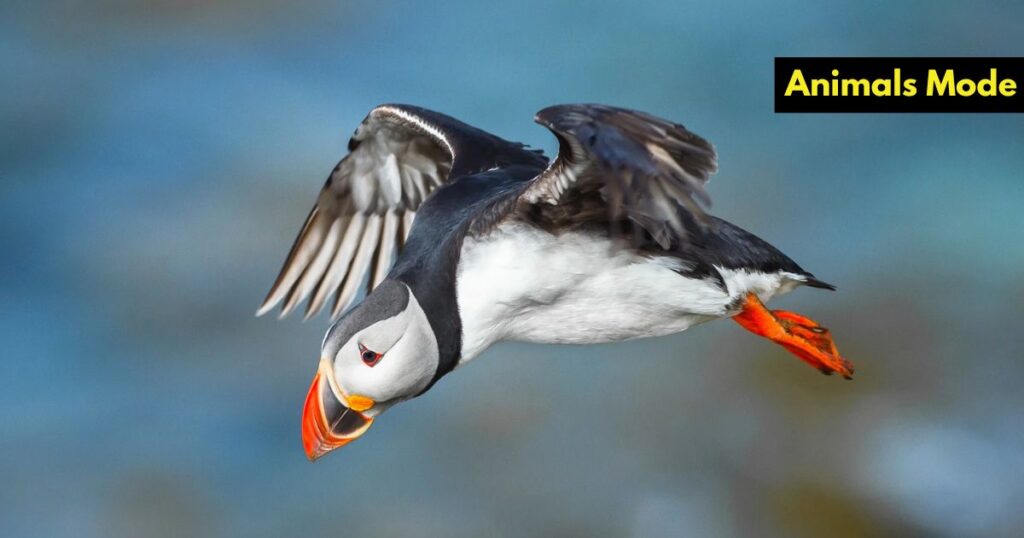
Scientific Name: Fratercula arctica
Diet: Small fish — sand eels, herring, sprats
Habitat: North Atlantic and Arctic Ocean coasts
A Puffin looks cheerful, like a flying penguin dressed for a costume party. But when it comes to feeding, it is ruthlessly efficient. Its beak has a unique hinge mechanism and backward-pointing spines on the tongue and palate. This design lets it catch one fish, hold it, and catch more — without letting go of the first one.
The record? A single Puffin has been observed carrying 62 small fish in its beak at once. That’s not one fish at a time like most seabirds. It dives, grabs, dives again, and packs its beak like a suitcase before surfacing. During breeding season, it makes up to 200 fishing dives per day to feed its chick. The whole system is built around maximum intake per trip.
9. Baboon
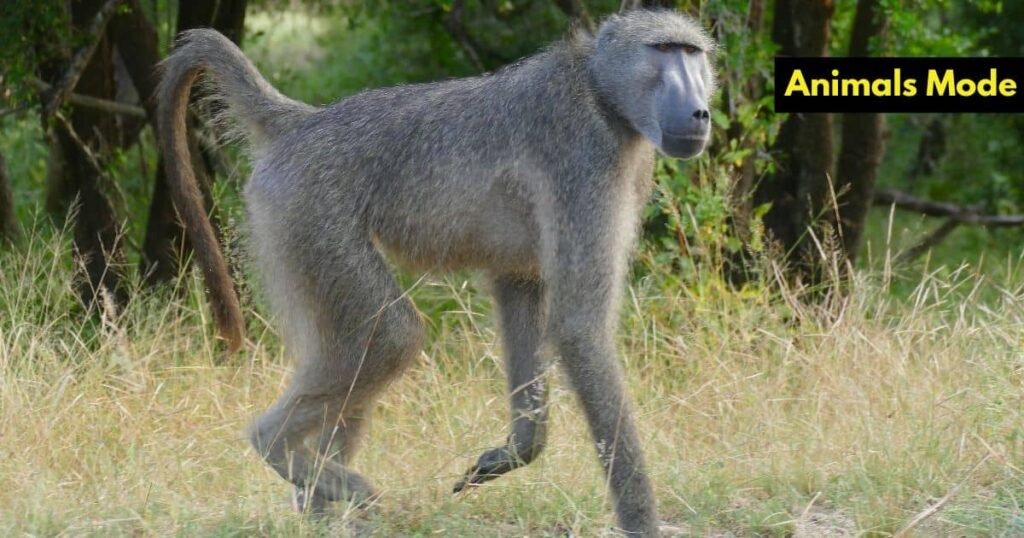
Scientific Name: Papio ursinus
Diet: Omnivore — fruits, roots, insects, lizards, small mammals
Habitat: Savannas, woodlands, and semi-arid areas across Africa
Baboons are not fussy. They eat plants, dig up tubers, raid crops, steal from other animals, and occasionally hunt small gazelles in coordinated groups. Their flexible diet is not just about variety — it’s about opportunity. A Baboon looks at every environment and asks: what here can I eat?
What stands out about Baboon feeding behavior is rank-based food access. Inside a troop, dominant males eat first — always. Lower-ranking members wait or get leftovers. So for many Baboons, being greedy isn’t a personality trait. It’s a survival response. When you don’t know when you’ll eat next, you take everything you can get while you can get it.
10. Coyote
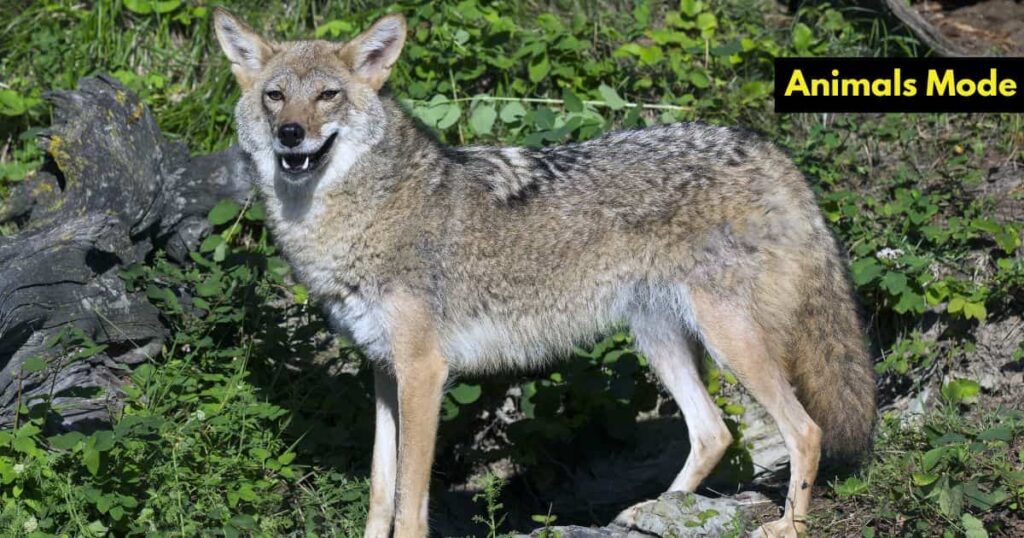
Scientific Name: Canis latrans
Diet: Rodents, rabbits, fruits, insects, garbage, livestock, carrion
Habitat: North and Central America — deserts, forests, suburbs, cities
The Coyote is the ultimate opportunist. It has expanded its range across North America not by being stronger than other predators, but by being willing to eat absolutely anything. Wolves gone? The Coyote moves in. City built on its territory? The Coyote adapts and starts raiding trash cans.
A Coyote’s diet is so varied that researchers tracking the same individual have found fruit seeds, deer hair, plastic wrap, and insect legs all in the same stomach sample. It hunts alone for small prey, but pairs up with a mate for larger targets like rabbits. And here’s something rarely talked about — Coyotes near badgers have been observed forming loose hunting partnerships, chasing prey above ground while the badger digs below, splitting whatever they catch.
11. Weasel
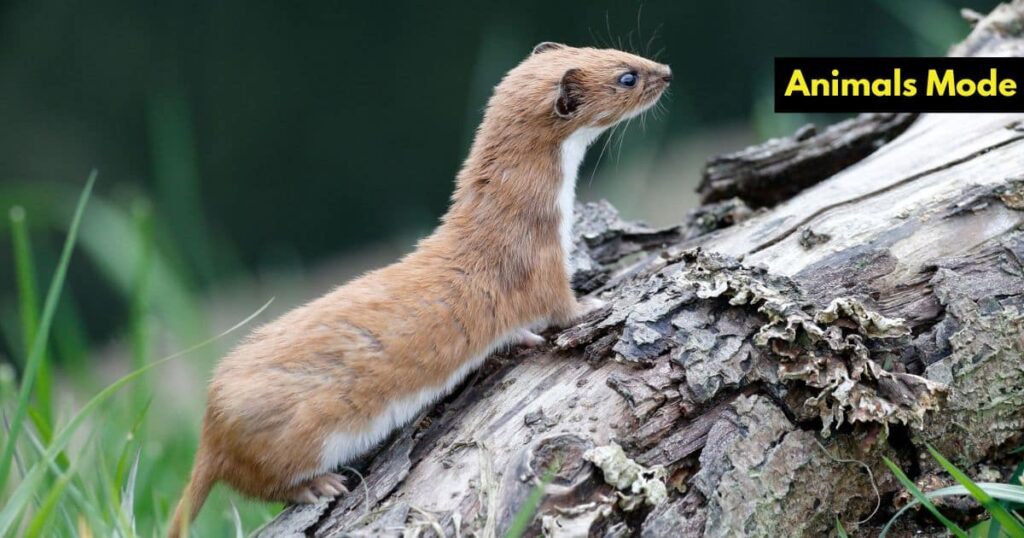
Scientific Name: Mustela nivalis
Diet: Voles, mice, rabbits, eggs, birds
Habitat: Europe, Asia, North America — grasslands, woodlands, farmland
The Weasel is the smallest carnivore in the world. It weighs as little as 25 grams. But it regularly kills prey that outweighs it by ten times or more. A Weasel hunting a rabbit is the equivalent of a human child wrestling an adult gorilla — and winning.
Its long, thin body lets it chase prey directly into burrows underground, a hunting strategy most predators simply cannot follow. But the greed angle goes deeper: Weasels kill more than they can eat in a single session. They cache the extra bodies in underground larders — sometimes storing dozens of dead voles — for later. It’s not waste. It’s planning. A Weasel pantry can hold over 20 carcasses at one time.
12. Wild Boar
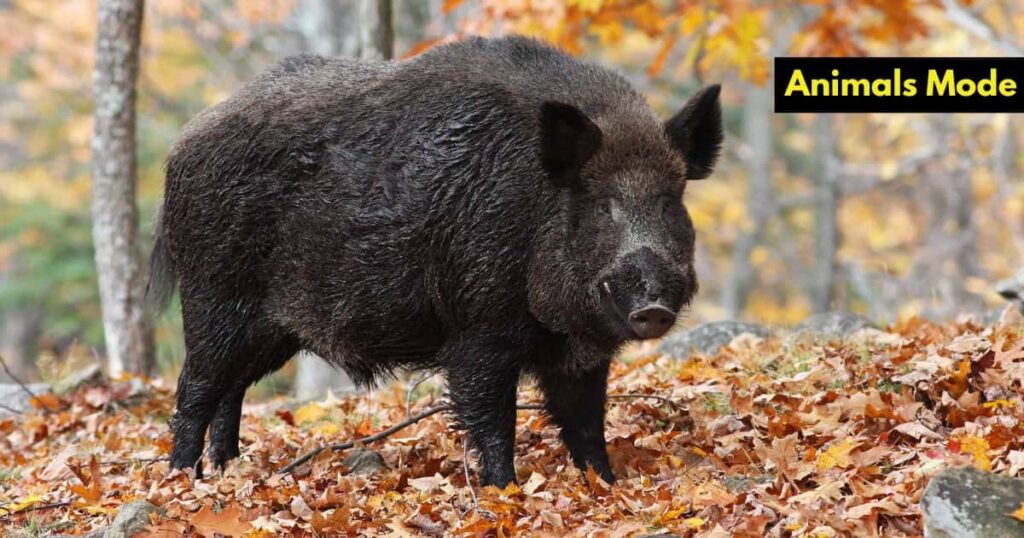
Scientific Name: Sus scrofa
Diet: Roots, tubers, acorns, insects, eggs, carrion, crops
Habitat: Europe, Asia, Africa, introduced nearly worldwide
Wild Boars are built to root. Their reinforced snout — with a specialized bone called the prenasal — acts like a biological plow. They push it into the ground, twist, lift, and tear up entire sections of forest floor in hours. A single group of Wild Boars can completely overturn half an acre of ground in one night.
And they eat everything they turn up: worms, grubs, bulbs, roots, dead animals, bird eggs, and whatever crops are nearby. Wild Boars are considered one of the most ecologically disruptive species on the planet — not because they’re violent, but because they are so relentlessly hungry that they literally reshape landscapes. Farmers across Europe lose millions of dollars annually to their nightly raids.
13. Gorilla
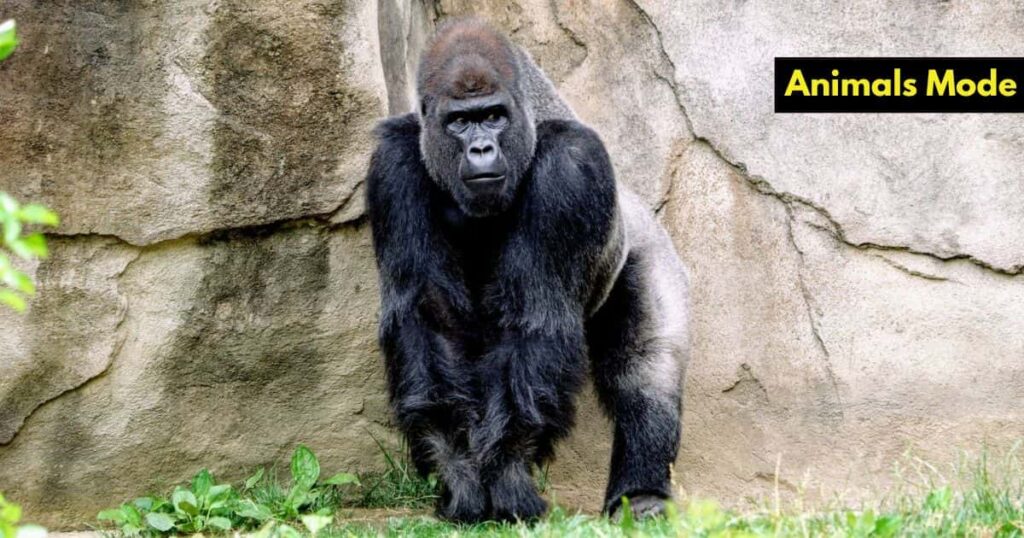
Scientific Name: Gorilla gorilla
Diet: Leaves, stems, fruit, bark, occasional insects
Habitat: Central African rainforests and mountain highlands
A silverback Gorilla can eat up to 40 pounds of vegetation in a single day. That’s roughly the weight of a car tire — every day. Because leaves and stems are low in calories compared to meat, a Gorilla must eat almost constantly during daylight hours just to maintain its massive frame. An adult male can weigh over 400 pounds.
What stands out is how Gorillas choose food. They don’t just grab the nearest leaf. Studies have shown they select specific plants based on protein content and sodium levels — sometimes walking miles to reach a preferred mineral-rich plant. During fig season, they prioritize high-sugar fruits aggressively. This isn’t random grazing. It’s calculated, nutritionally-aware bulk feeding that few animals match in daily volume.
14. Chimpanzee
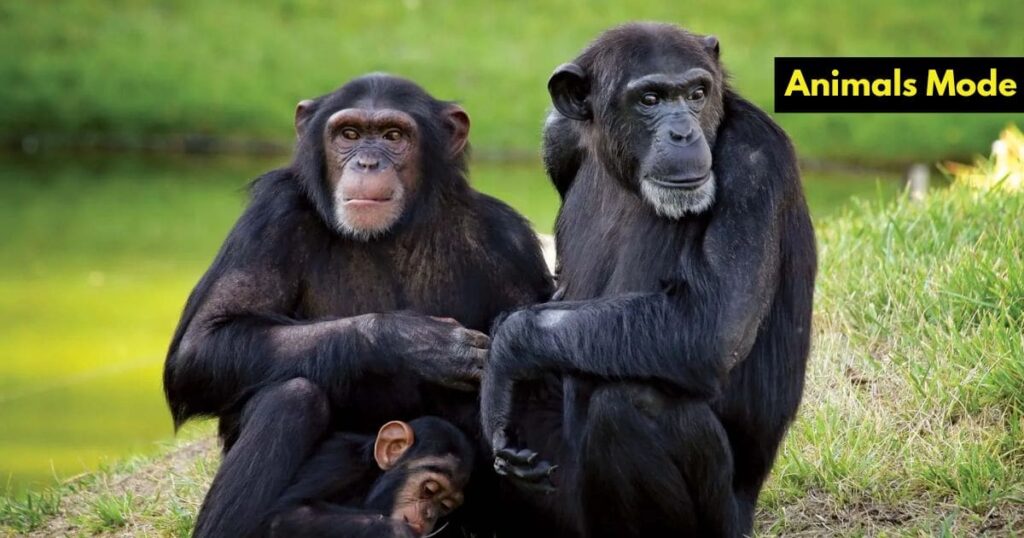
Scientific Name: Pan troglodytes
Diet: Fruit, nuts, leaves, insects, meat — including other primates
Habitat: West and Central African forests and woodlands
Chimpanzees eat fruit for most of their diet. But what makes them one of the greediest animals is what happens when they decide to hunt. A group of male chimps will coordinate a hunt — splitting into roles of driver, blocker, and ambusher — to corner and catch a Red Colobus Monkey with military precision.
After a successful hunt, the behavior gets even more revealing. The chimp who made the kill controls the meat. Others beg, trade, and negotiate for a share. Females are sometimes offered meat in exchange for grooming. Meat becomes a social currency. The greediest individuals hoard the most pieces, share strategically, and use food to build alliances. It’s less like animal feeding and more like a marketplace.
15. Hyena
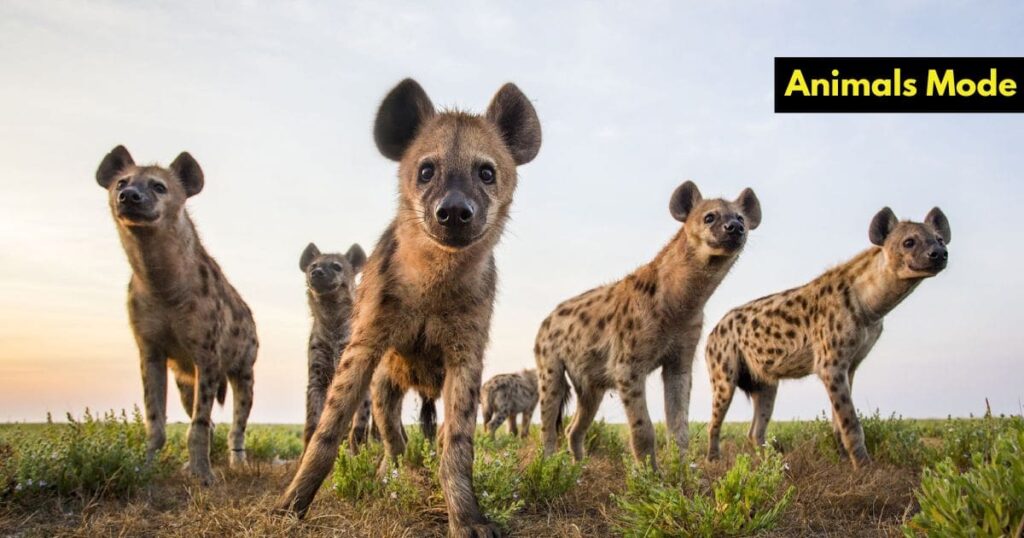
Scientific Name: Crocuta crocuta
Diet: Wildebeest, zebra, carrion, bones, hooves, hide
Habitat: Sub-Saharan African savannas, grasslands, and semi-deserts
The Hyena has one of the most powerful bites of any land predator — around 1,100 pounds per square inch. It uses this to do something almost no other animal can: completely consume and digest bone. A Hyena doesn’t leave carcasses half-eaten. It finishes everything — hide, hooves, and all.
Here’s the surprising part: Hyenas are far more capable hunters than their scavenger reputation suggests. Research shows that in the Serengeti, Spotted Hyenas kill up to 95% of what they eat. They don’t wait for lions to finish. They hunt at night in coordinated packs, run prey down over long distances at 37 mph, and then eat so fast that a large kill can be completely consumed within 15 minutes. A clan of 35 Hyenas once devoured a 400-pound zebra in under 30 minutes. Nothing was left.
Discover More Animals:
FAQ’s About Greedy Animals
What is the greediest animal in the world?
The American Pygmy Shrew is the greediest animal relative to body size. It eats up to 3 times its own body weight daily and dies if it goes more than 2 hours without food. For sheer feeding volume, the Tasmanian Devil consumes 40% of its body weight in one meal.
Which animals hoard food the most?
Magpies and Weasels are the top food hoarders. Magpies cache hundreds of food items and even relocate them if they feel watched. Weasels store underground larders of 20+ dead prey animals for future meals.
Are greedy animals more aggressive?
Not always. Greed in animals is mostly a survival response, not a personality flaw. Animals like the Wolverine and Hyena appear aggressive because they are competing for resources in tough environments — not because they are naturally mean.
What animal eats the most food in a single sitting?
The Burmese Python and Tasmanian Devil top this category. A Python can eat a full-grown deer in one meal, while a Tasmanian Devil consumes 40% of its own body weight at once — bones, organs, and all.
Which selfish animal uses food as a social tool?
Chimpanzees are the clearest example. After a hunt, chimps trade meat for grooming, loyalty, and mating access. Food becomes currency in their social world — making them one of the most strategically selfish animals in nature.

I’m Pedro, and I love learning about animals. I spend my time reading and researching how animals live, eat, move, and survive. I share simple, accurate facts to help everyone understand and enjoy the amazing world of wildlife.