Many animals gallop — and it’s not just horses. A gallop is a four-beat running gait where all four feet leave the ground at once. Wild boars, tigers, jaguars, mule deer, and even pigs use this motion to sprint at full speed. Some gallop to hunt. Others gallop to escape. A few do it just to cover ground fast across open terrain.
Quick Table of Gallop Animals
| Animal Name | Scientific Name |
| Llama & Alpaca | Lama glama / Vicugna pacos |
| Tiger | Panthera tigris |
| Hyena | Crocuta crocuta |
| Wild Boar | Sus scrofa |
| Donkey & Onager | Equus asinus / Equus hemionus |
| Jaguar | Panthera onca |
| Cattle | Bos taurus |
| Pig | Sus domesticus |
| Sheep & Goat | Ovis aries / Capra hircus |
| Oryx & Gemsbok | Oryx leucoryx / Oryx gazella |
| Kudu | Tragelaphus strepsiceros |
| Mule Deer | Odocoileus hemionus |
| Tapir | Tapirus terrestris |
| Caracal | Caracal caracal |
| Dingo | Canis lupus dingo |
1. Llama & Alpaca
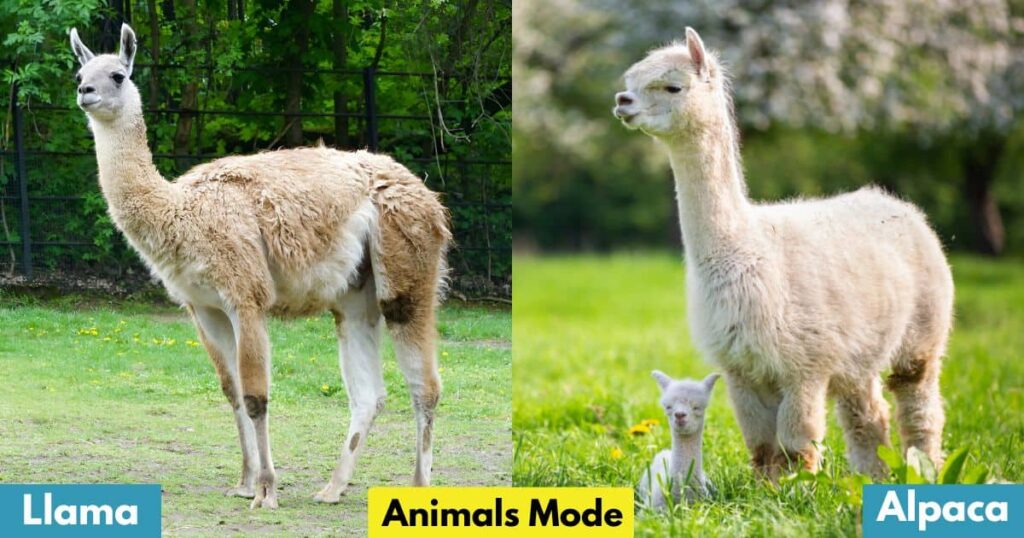
Scientific Name: Lama glama / Vicugna pacos
Diet: Grasses, shrubs, hay, and mountain plants
Habitat: Andes Mountains of South America, high-altitude grasslands (3,500–5,000 meters)
Most people think of llamas as slow, stubborn pack animals. But watch one bolt across an Andean hillside and you’ll change your mind fast. Llamas and alpacas both gallop when spooked — hooves all leaving the ground in that classic four-beat pattern. On rocky, uneven terrain, that’s no small feat.
What makes them special is their breathing system. At altitudes where most animals struggle to even walk fast, llamas have oval-shaped red blood cells — unlike the round ones in most mammals. This design carries oxygen more efficiently, which is why they can gallop at 4,500 meters without gasping. Comparing them to horses at the same altitude? A horse would slow to a tired trot. A llama barely breaks a sweat.
2. Tiger
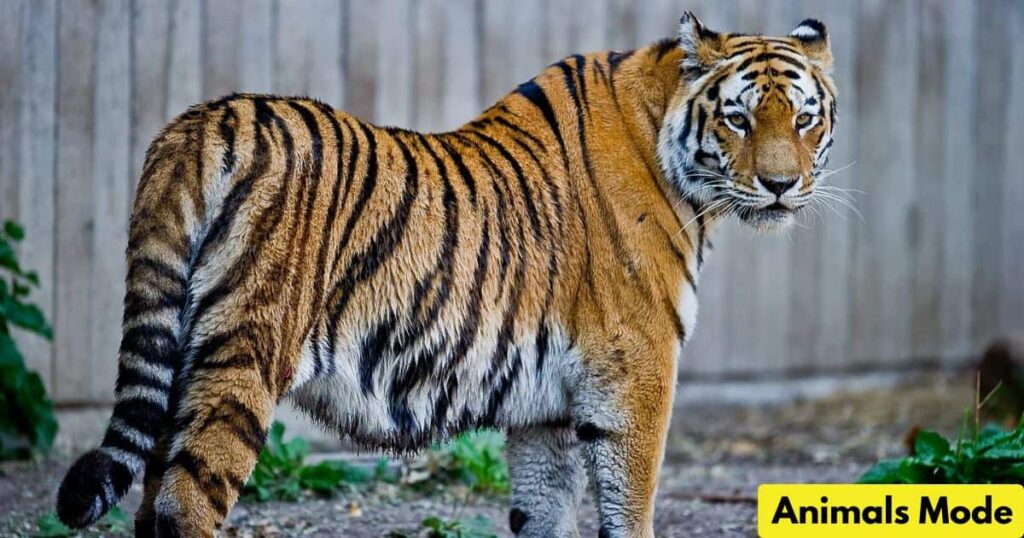
Scientific Name: Panthera tigris
Diet: Deer, wild pigs, buffalo, and smaller mammals
Habitat: Dense forests, grasslands, and mangrove swamps across South and Southeast Asia
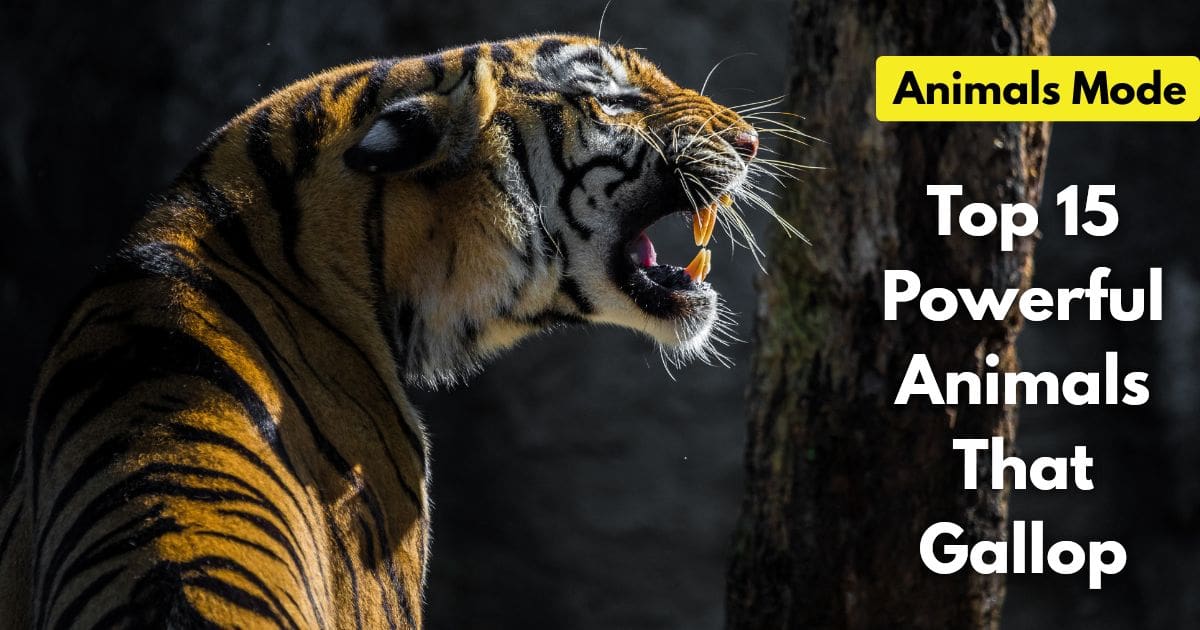
A tiger doesn’t gallop often. It prefers a slow stalk — sometimes spending 20 to 30 minutes crawling through grass before a strike. But when it does gallop, the ground shakes. Adult tigers can hit 49–65 km/h (30–40 mph) in full sprint, and their gallop involves a powerful “bound” — both hind legs pushing off together, launching up to 9 meters in a single leap.
Here’s what most articles miss: a tiger’s gallop is asymmetrical. The left and right limbs don’t mirror each other perfectly. This imbalance actually helps the tiger change direction mid-sprint — a crucial trick when chasing prey through thick jungle undergrowth. It’s not built for long chases. It’s built to close a gap of 30 meters in under three seconds.
3. Hyena
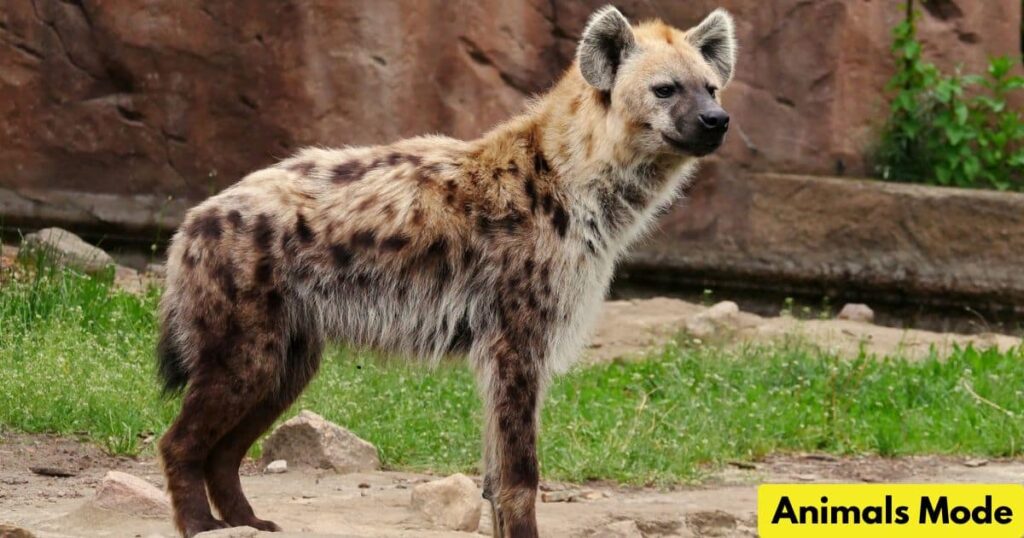
Scientific Name: Crocuta crocuta
Diet: Wildebeest, zebras, carrion, and almost anything it can find
Habitat: Sub-Saharan African savannas, grasslands, and semi-arid zones
The spotted hyena has one of the most deceptive gallops in the animal kingdom. It looks awkward — the front legs are longer than the back, giving the body a permanent downward slope. That odd body shape makes the gallop look clumsy. But at 60 km/h (37 mph), it’s anything but.
What makes the hyena’s gallop stand out is endurance. A lion might sprint faster, but it gives up after 300 meters. A hyena can maintain a galloping pace of 40–50 km/h for up to 5 km. In a long pursuit, the hyena almost always wins. Spotted hyenas are actually responsible for killing 60–95% of the food they eat — not scavenging it. The “scavenger” label is one of nature’s biggest reputation mistakes.
4. Wild Boar
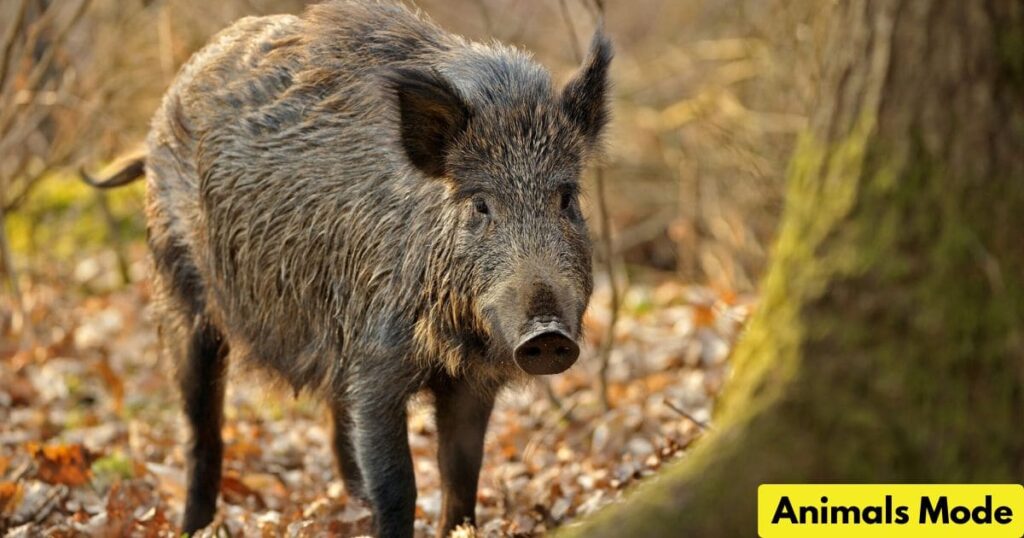
Scientific Name: Sus scrofa
Diet: Roots, tubers, fruits, insects, small animals, and carrion
Habitat: Forests, scrublands, and wetlands across Europe, Asia, and parts of Africa
A wild boar charging at full gallop is one of the most alarming sights in European woodland. Despite weighing up to 200 kg (440 lbs), a boar can gallop at 40–48 km/h (25–30 mph). That speed comes from short, powerful leg muscles and a deep chest that packs serious lung capacity into a compact frame.
Wild boars don’t gallop in straight lines. During a charge, they often zigzag — making it incredibly hard for a predator to predict their path. Wolves, bears, and even leopards give boars serious respect because of this. The boar isn’t trying to outrun the threat. It’s trying to confuse it, then hit it hard. Their tusks can slice upward with enough force to injure a bear. Speed plus direction change plus weapons — that’s a boar at full gallop.
5. Donkey & Onager
Scientific Name: Equus asinus / Equus hemionus
Diet: Grasses, shrubs, thorny plants, and dry vegetation
Habitat: Deserts, semi-arid grasslands, and rocky plains across Africa, the Middle East, and Central Asia
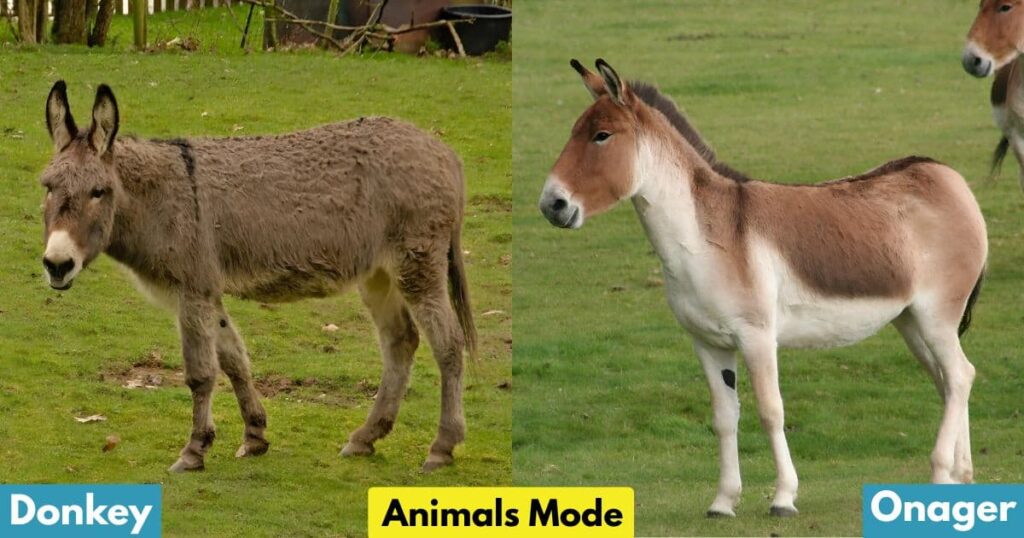
The domestic donkey gets underestimated constantly. Yes, it’s slower than a horse. But a donkey’s gallop — topping out around 40 km/h (25 mph) — is built for rocky, uneven terrain where horses stumble. Their hooves are harder and more upright, gripping surfaces that would send a horse sliding.
The onager is a different story altogether. This wild relative of the donkey, native to Iran and Central Asia, can gallop at up to 70 km/h (43 mph) — making it one of the fastest members of the horse family. Onagers were used in ancient Mesopotamia to pull war chariots before horses were domesticated. For thousands of years, the onager was the speed vehicle of the ancient world. Today it’s critically endangered, with fewer than 600 individuals left in the wild.
6. Jaguar
Scientific Name: Panthera onca
Diet: Capybaras, caimans, deer, tapirs, and fish
Habitat: Amazon rainforest, wetlands, and tropical scrublands of Central and South America
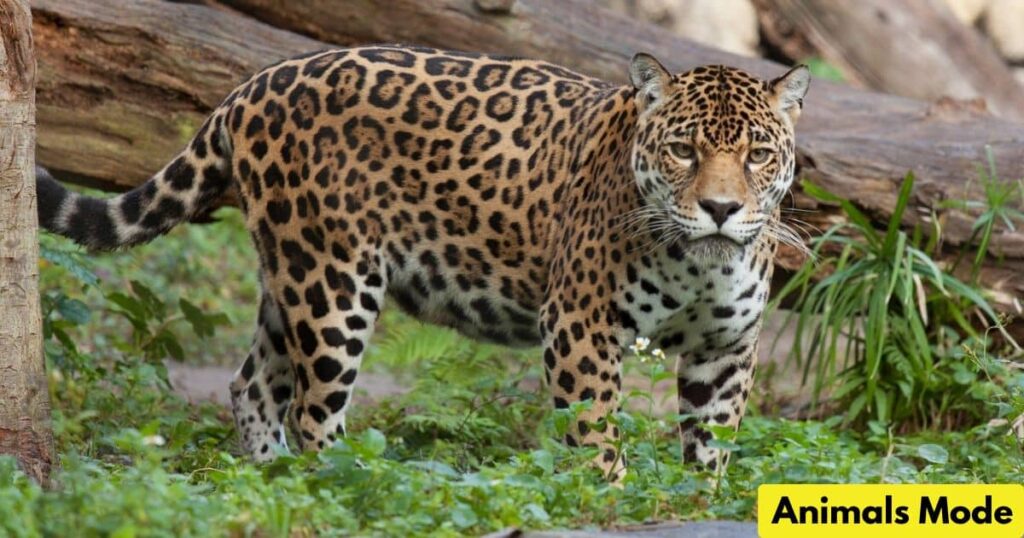
The jaguar is the heaviest cat in the Americas — males can weigh up to 120 kg (265 lbs). But that weight doesn’t slow the gallop. Jaguars can reach 80 km/h (50 mph) in short bursts, though they rarely chase prey over long distances. Their hunting style is about positioning, not racing.
What’s unique about the jaguar’s gallop is how it ends. Unlike lions or tigers, jaguars don’t kill with a throat bite. They bite through the skull — directly into the brain. To land that bite, they need to close distance fast, then pin with explosive force. The gallop is the delivery system for one of the most powerful bites in the cat family — 1,500 PSI (pounds per square inch), stronger than a lion’s. Speed here isn’t about the chase. It’s about the kill shot.
7. Cattle
Scientific Name: Bos taurus
Diet: Grasses, hay, legumes, and grain
Habitat: Domesticated worldwide; wild ancestors (aurochs) lived across Eurasia and North Africa
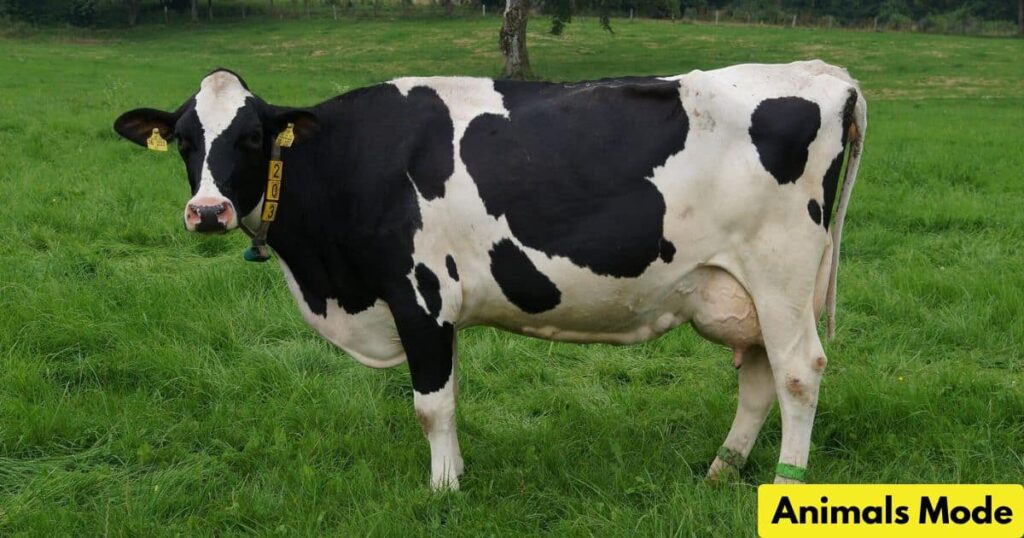
Most people never see cattle gallop because they rarely need to. But when they do, it’s genuinely surprising. A full-grown bull can gallop at 40 km/h (25 mph) — faster than most humans can sprint. And unlike horses, cattle gallop with a rocking, low-to-the-ground motion that looks like the body might tip forward any second.
The reason cattle don’t gallop often comes down to body design. Their digestive system is enormous — four stomach chambers take up a huge amount of internal space. Running hard means compressing that system, which disrupts fermentation. So cattle evolved to be efficient walkers, not sprinters. When a cow gallops, it’s using emergency energy reserves. That’s why a spooked herd looks chaotic — every animal is burning fuel it was never meant to burn fast.
8. Pig
Scientific Name: Sus domesticus
Diet: Grains, vegetables, fruit, insects, and nearly anything organic
Habitat: Domesticated worldwide; feral pigs found across forests, wetlands, and grasslands
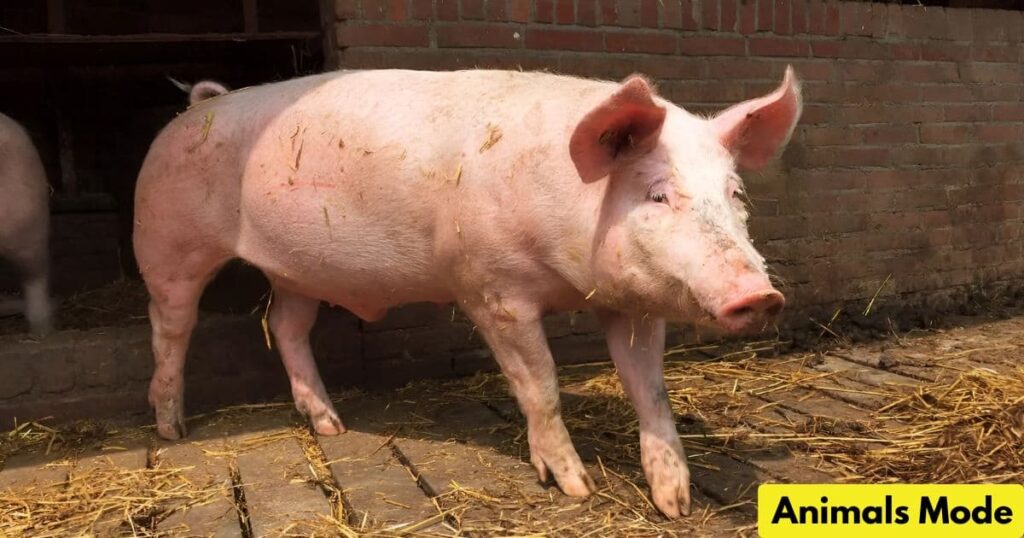
Pigs gallop. That sentence surprises a lot of people. A feral pig or excited domestic pig can reach 17–18 km/h (about 11 mph) in a full gallop — not fast by predator standards, but enough to outrun a slow human over short distances. The gallop is compact and low, with all four legs driving in rapid, synchronized bursts.
Here’s the fascinating part: pigs have the anatomy of a fast animal trapped in a barrel-shaped body. Their leg-to-body ratio is poor for speed but excellent for rooting and digging. Studies on feral pig movement show they cover up to 8 km per night foraging — mostly at a trot or gallop in short bursts. Their gallop isn’t for escape. It’s for covering territory efficiently in darkness, where predators rely on sight and pigs rely on smell.
9. Sheep & Goat
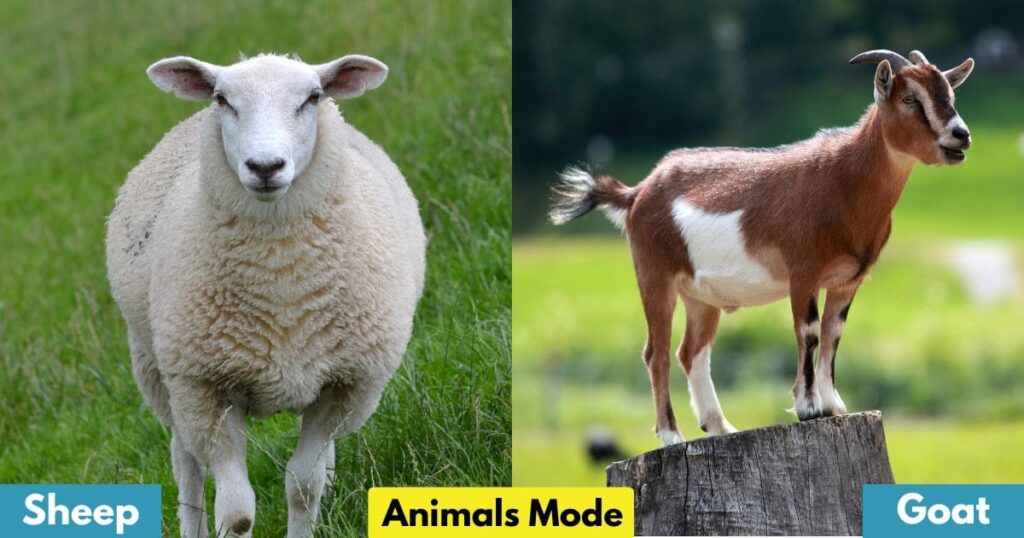
Scientific Name: Ovis aries / Capra hircus
Diet: Grasses, shrubs, leaves, and bark
Habitat: Mountains, grasslands, and scrublands across Europe, Asia, Africa, and the Americas
Sheep and goats both gallop, but for completely different reasons and with noticeably different styles. A sheep gallops in open terrain as a group — the flock moves as one unit, each animal matching the pace of its neighbors. It’s a synchronized escape strategy. Predators struggle to pick a single target from a mass of moving bodies.
Goats, on the other hand, gallop alone — and often uphill. Mountain goats and wild ibex can gallop across slopes that look nearly vertical. Their hooves have hard outer edges for gripping rock and soft inner pads for friction. A goat galloping up a cliff face at 15 km/h is not reckless. It’s using terrain as armor. No wolf or snow leopard can match that pace on a 70-degree rock face.
10. Oryx & Gemsbok
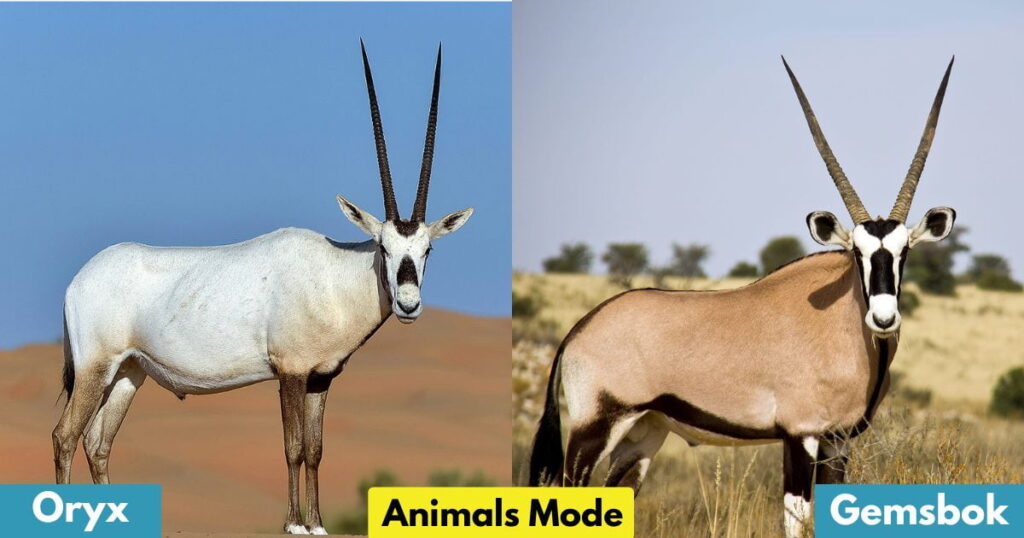
Scientific Name: Oryx leucoryx / Oryx gazella
Diet: Dry grasses, succulent plants, roots, and desert melons
Habitat: Arabian deserts, Kalahari, and Namib Desert
The oryx and gemsbok are built to gallop in conditions that would kill most animals. In the Sahara and Kalahari, ground temperatures can hit 70°C (158°F). The gemsbok can tolerate a body temperature of up to 45°C (113°F) without brain damage — because of a special heat exchange system in the nose that cools blood going to the brain. This means it can gallop hard in midday desert heat without overheating its brain.
At 60 km/h (37 mph), the gemsbok’s gallop is long-strided and fluid — covering enormous distances across flat desert plains. What’s remarkable is their endurance. Where other antelope zigzag and tire out, gemsbok run in long, straight lines, using their speed to simply outlast a pursuing cheetah or lion over open ground. Their horns, up to 85 cm long, make even lions think twice about pushing too hard.
If you love learning about wild animals, you’ll find a lot more waiting for you at Animals Mode.
11. Kudu
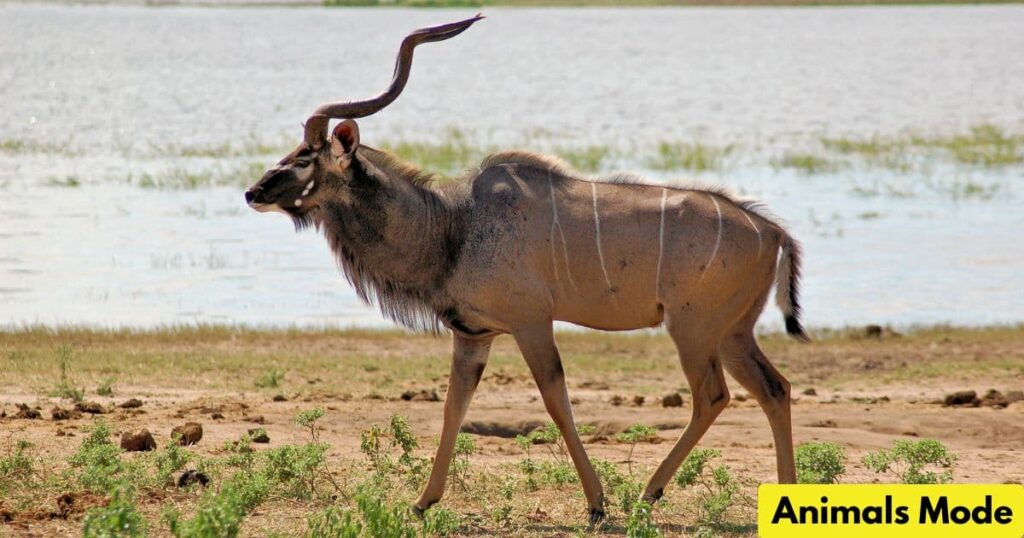
Scientific Name: Tragelaphus strepsiceros
Diet: Leaves, shoots, fruits, tubers, and occasional grasses
Habitat: Woodland savannas and thornbush of eastern and southern Africa
The greater kudu is one of Africa’s most elegant animals — and one of the most underrated galloping creatures on the continent. A large male stands 1.5 meters tall at the shoulder and carries spiral horns that can reach 1.8 meters in length. Despite that bulk, kudu can gallop at up to 80 km/h (50 mph) in short bursts and leap fences over 2 meters high without breaking stride.
What stands out about the kudu’s gallop is its bounce. The animal uses a bounding leap between strides — launching its body high into the air, which gives it the ability to clear dense thornbush at full speed. In thick woodland where a cheetah or wild dog would slow to dodge branches, the kudu simply flies over the obstacles. That aerial gallop is a survival trick honed over millions of years of woodland predation.
12. Mule Deer
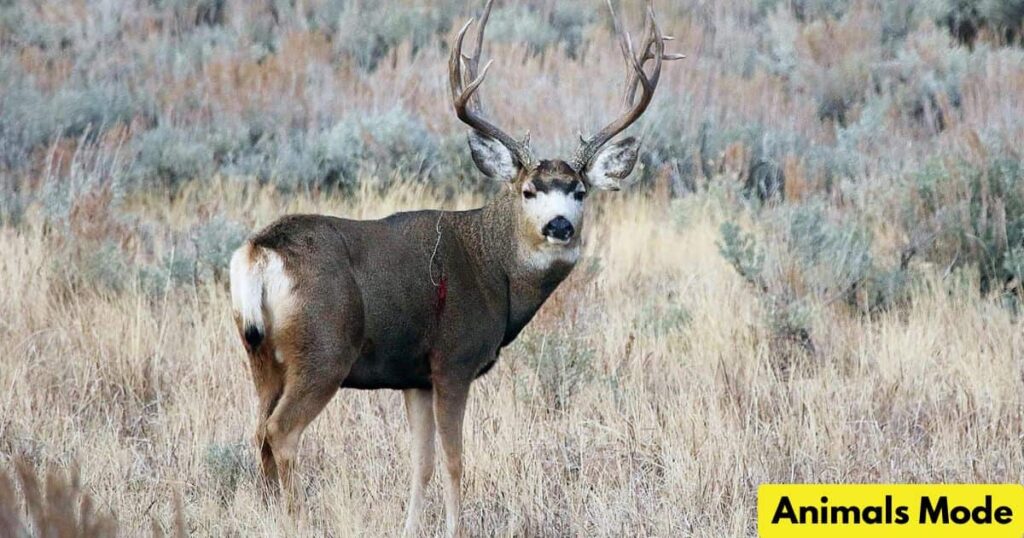
Scientific Name: Odocoileus hemionus
Diet: Shrubs, forbs, grasses, and mast crops like acorns
Habitat: Western North America — deserts, mountain foothills, and conifer forests
The mule deer has something most galloping animals don’t: a choice. It can gallop like a standard deer, or it can “stott” — a bouncing, all-four-feet-off-the-ground leap used when predators are close. But in flat, open terrain, the mule deer shifts into a true gallop at up to 72 km/h (45 mph).
Here’s the surprising part: mule deer can switch gaits mid-escape. A deer fleeing a coyote on flat ground gallops. The same deer hit by a mountain lion on rocky terrain switches instantly to stotting — a high-bounce gait that’s nearly impossible to predict or follow on uneven ground. It’s like having two different engines in one body. Researchers have found that this gait-switching, not raw speed, is what helps mule deer survive attacks from multiple predator types across different landscapes.
13. Tapir
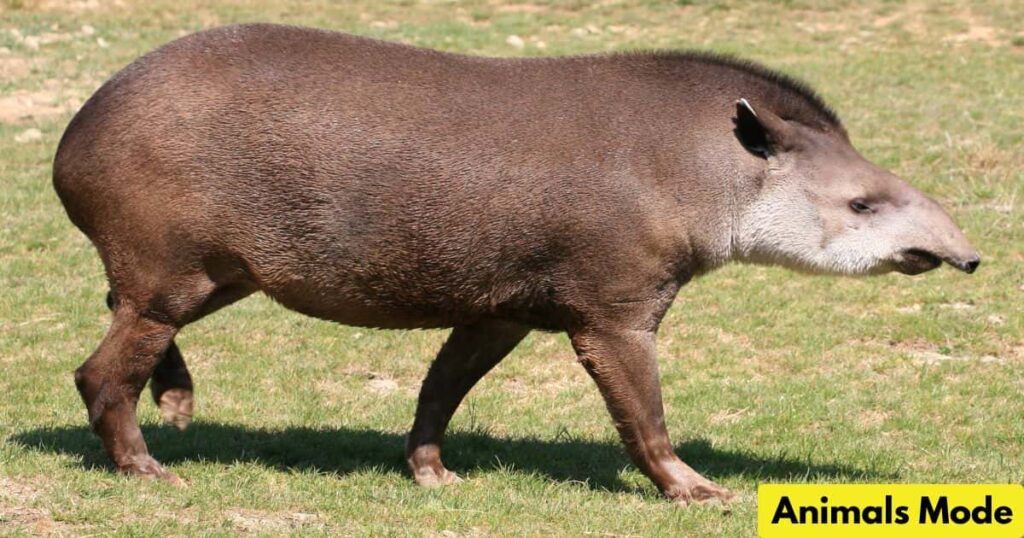
Scientific Name: Tapirus terrestris
Diet: Leaves, fruits, aquatic plants, and fallen fruit
Habitat: Amazon basin, tropical forests, and swampy lowlands of South America
The tapir looks like it was assembled from spare parts — a pig’s body, an elephant’s short trunk, and a horse’s feet. And yet, this ancient creature has been galloping through forests for over 50 million years, barely changing along the way. At around 300 kg (660 lbs), a tapir can still gallop at 48 km/h (30 mph) through dense jungle.
What most people don’t know: tapirs gallop straight into water. When chased by a jaguar or puma, a tapir will sprint full-speed toward a river or swamp and plunge in. They are powerful swimmers and can walk along riverbeds underwater. The gallop-to-water escape route is their most reliable survival trick. It’s not fight or flight — it’s gallop and dive. Few predators in the Amazon want to follow a 300 kg animal into fast-moving water.
14. Caracal
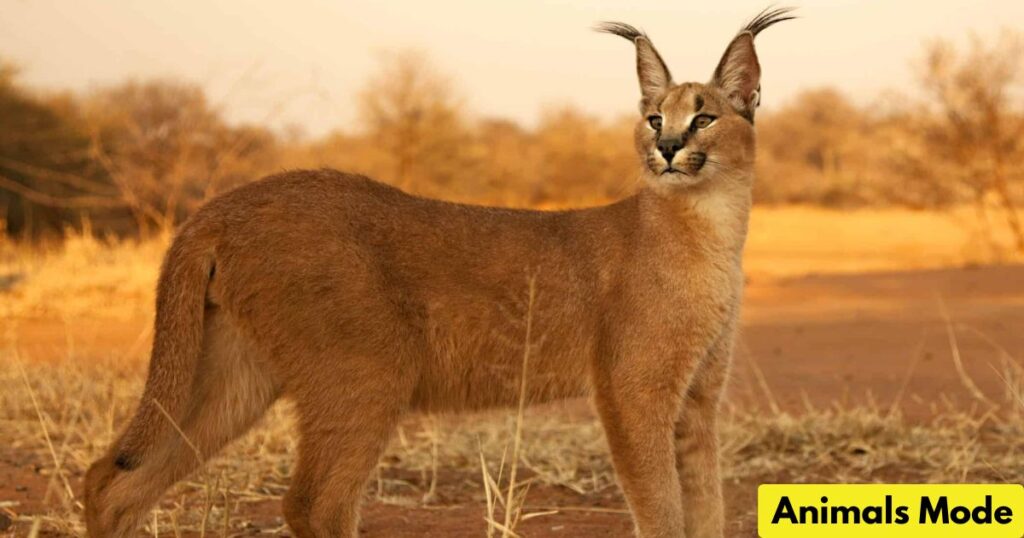
Scientific Name: Caracal caracal
Diet: Birds, rodents, hares, small antelope, and occasionally livestock
Habitat: African savannas, dry woodlands, semi-arid scrublands, and parts of the Middle East and India
The caracal is a mid-sized wild cat — about 18 kg (40 lbs) — but it punches far above its weight class. Its gallop tops out at around 80 km/h (50 mph), and it’s used almost entirely for one purpose: catching birds in mid-air. A caracal will gallop at full speed toward a flock of birds, then launch itself up to 3 meters into the air, snatching birds with both paws simultaneously. There are documented cases of a single caracal catching two birds in one leap.
The hind legs are noticeably longer than the front, which acts like a loaded spring during the gallop. Each stride compresses the hindquarters further, storing energy for the final explosive jump. Compared to a cheetah — which also has elongated hind legs — the caracal’s design is more compact and vertical, optimized for bursting upward rather than sustaining forward speed. It’s a gallop built for launch, not distance.
15. Dingo
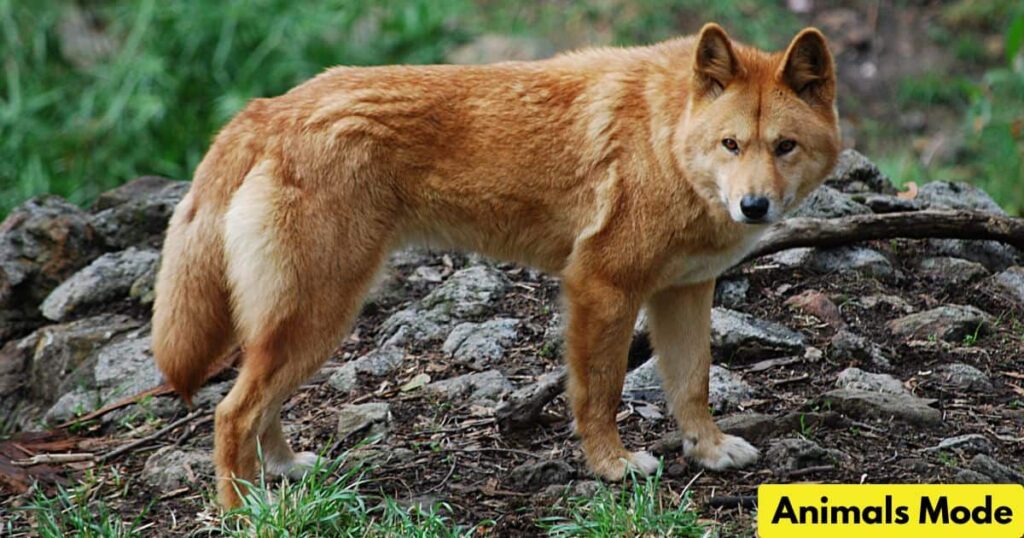
Scientific Name: Canis lupus dingo
Diet: Kangaroos, wallabies, wombats, lizards, and rabbits
Habitat: Australian deserts, grasslands, forests, and alpine regions
The dingo is Australia’s apex predator — lean, smart, and built to gallop across enormous distances. At 48–60 km/h (30–37 mph), a dingo’s gallop is efficient and ground-eating, covering open terrain with a loose, easy stride that doesn’t waste energy. Unlike domestic dogs, which tire relatively quickly during sprinting, dingoes maintain their gallop pace over several kilometers.
What separates the dingo’s gallop from other canids is how it hunts in groups. A single dingo chasing a kangaroo will gallop in relay — one individual pushing hard, then dropping back while another takes the lead. This tag-team gallop can wear down even a large red kangaroo over several kilometers. The dingo’s success has less to do with individual speed and more to do with distributing the sprint load across the pack. That’s not just running. That’s coordinated athletic strategy on four legs.
FAQ’s About Animals That Gallop
What does it mean when an animal gallops?
Galloping is a fast, four-beat running gait where all four legs leave the ground during part of the stride. It’s the fastest natural gait for most four-legged animals. The feet hit the ground in a specific sequence — one hind leg, then the other, then the front legs — creating a bounding, forward-thrusting motion.
Can heavy animals like wild boars and cattle actually gallop?
Yes. Wild boars can gallop at 40–48 km/h and cattle at around 40 km/h despite their large size. Their muscle density and short, powerful legs make short-burst galloping very effective even for heavy-bodied animals.
Which animal on this list has the most unusual gallop?
The caracal. It uses its gallop purely as a launching platform — building speed before exploding vertically into the air to catch birds mid-flight. No other animal on this list uses galloping in that specific way.
Do all four-legged animals gallop?
Not all. Some four-legged animals, like elephants, cannot gallop — they move in a fast walk instead. An animal needs flexible spines, strong hind limbs, and the right leg length ratios to gallop properly.
Which animal on this list gallops the farthest without stopping?
The hyena. It can sustain a galloping pace of 40–50 km/h for up to 5 km — far longer than most predators. This stamina-based gallop is what makes it such a successful hunter on open African plains.

I’m Pedro, and I love learning about animals. I spend my time reading and researching how animals live, eat, move, and survive. I share simple, accurate facts to help everyone understand and enjoy the amazing world of wildlife.