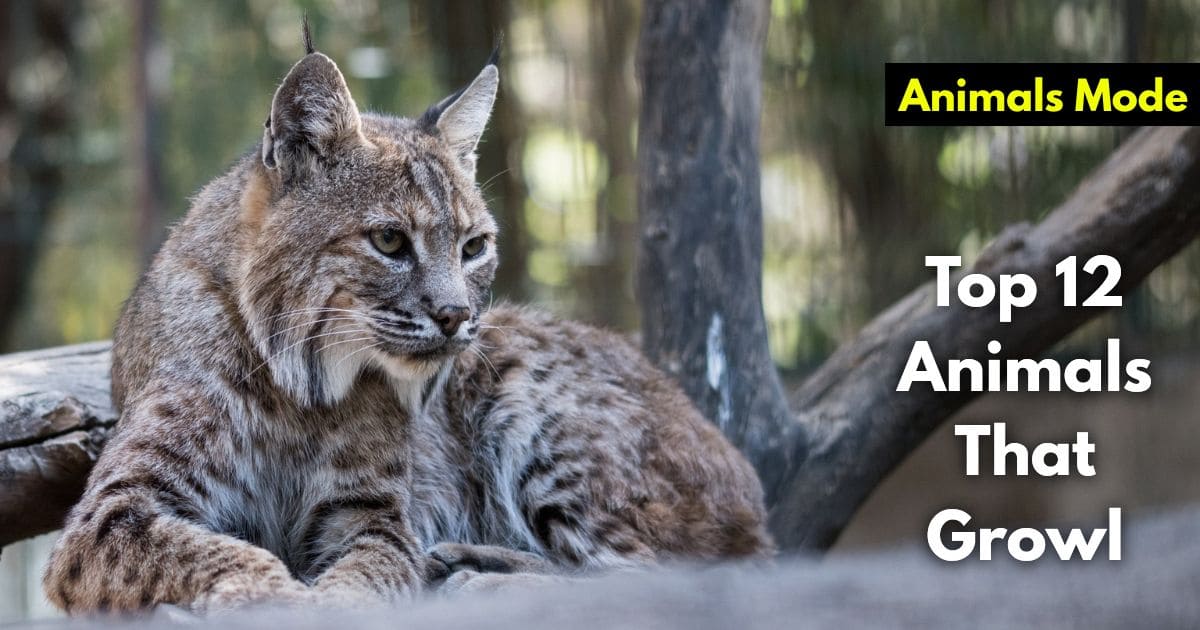
Some animals growl to warn predators. Some growl when hunting. And a few growl in ways that will genuinely surprise you. A growl is a low, rumbling sound made deep in the throat, used by animals to show aggression, fear, or defense. Below are 12 animals that growl, each with a completely different reason — and a completely different story.
Quick Table: 12 Fascinating Growl Animals
| Animal Name | Scientific Name |
| Bobcat | Lynx rufus |
| Cheetah | Acinonyx jubatus |
| Fox | Vulpes vulpes |
| Badger | Meles meles |
| Honey Badger | Mellivora capensis |
| Opossum | Didelphis virginiana |
| Leopard Seal | Hydrurga leptonyx |
| Komodo Dragon | Varanus komodoensis |
| Cassowary | Casuarius casuarius |
| Bittern | Botaurus stellaris |
| Ostrich | Struthio camelus |
| American Bullfrog | Lithobates catesbeianus |
1. Bobcat
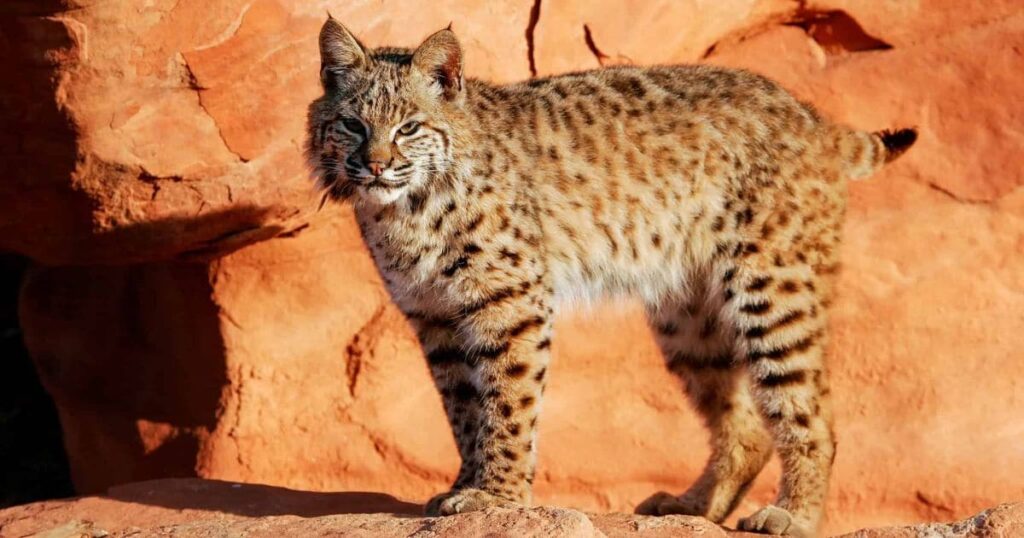
Scientific Name: Lynx rufus
Diet: Rabbits, deer, rodents, birds
Habitat: Forests, deserts, swamps across North America
The bobcat looks about twice the size of a house cat — but when it growls, it sounds like something far bigger. These compact wild cats weigh between 15 and 35 pounds. Yet that deep, guttural growl carries through dense forest like a warning signal no animal ignores.
What makes the bobcat’s growl unique is when it uses it. Unlike lions that roar to claim territory, bobcats growl mostly during mating season confrontations or when cornered. They’re not social animals at all. A bobcat lives and hunts alone, and that growl is one of its few forms of direct communication. Think of it as a cat that almost never talks — but when it does, every nearby creature listens.
2. Cheetah
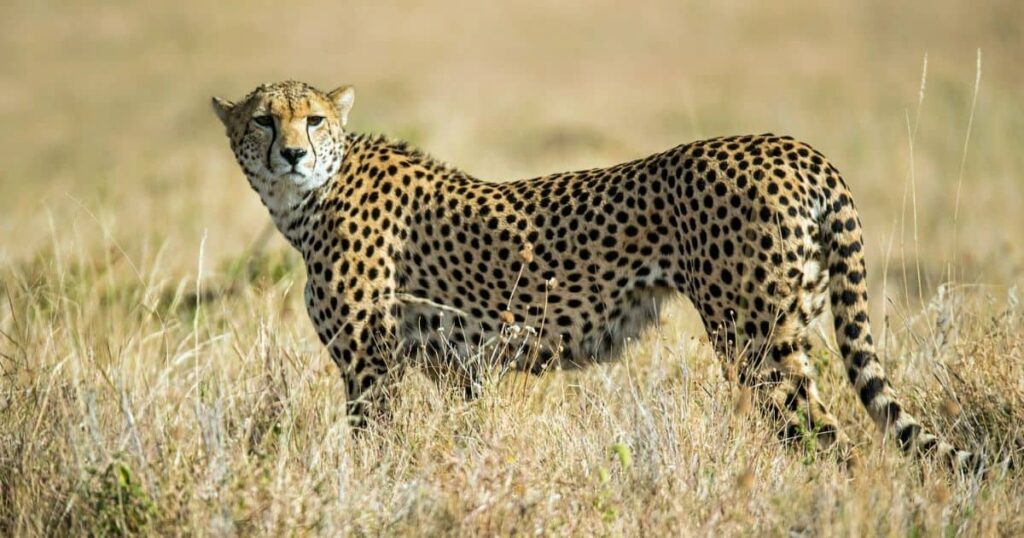
Scientific Name: Acinonyx jubatus
Diet: Gazelles, impalas, rabbits, small antelopes
Habitat: Open grasslands and savannas of Africa and parts of Iran
The cheetah is famous for speed — up to 70 mph in under 3 seconds. But here’s the surprising part: it cannot roar. Unlike lions or leopards, the cheetah’s anatomy doesn’t allow it. So instead, it growls, chirps, and makes a sound almost like a bird’s call.
That growl comes out during confrontations over food, mostly. Cheetahs are actually quite nervous animals. They lose up to 50% of their kills to larger predators like lions and hyenas. When another animal approaches their meal, the cheetah will growl low and retreat rather than fight.
It’s not cowardice — it’s survival math. A cheetah’s body is built for speed, not combat. One serious injury could mean death by starvation. So the growl is a bluff, a last warning before the cheetah cuts its losses.
3. Fox
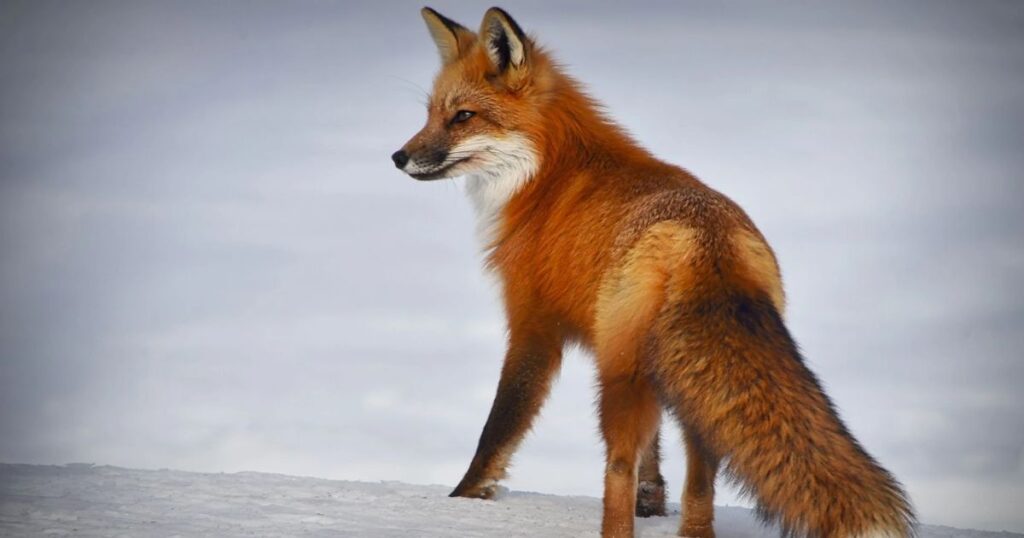
Scientific Name: Vulpes vulpes
Diet: Rabbits, rodents, fruit, insects, birds
Habitat: Forests, grasslands, mountains, urban areas across the Northern Hemisphere
Most people have heard a fox scream — that eerie, almost human wail in the night. But foxes also growl, and it sounds nothing like what you’d expect from such a small animal. That growl is deep and rattling, closer to what you’d hear from a dog three times its size.
Foxes use growls specifically during close-range disputes. Two foxes competing over the same territory or food source will face off, and the growl is the first tool they reach for. What stands out is how deliberate it is — they lower their bodies, lay their ears back, and push out a continuous low rumble that can last several seconds. Night hikers often describe it as the most unsettling sound they’ve encountered without being able to explain why. Now you know.
4. Badger
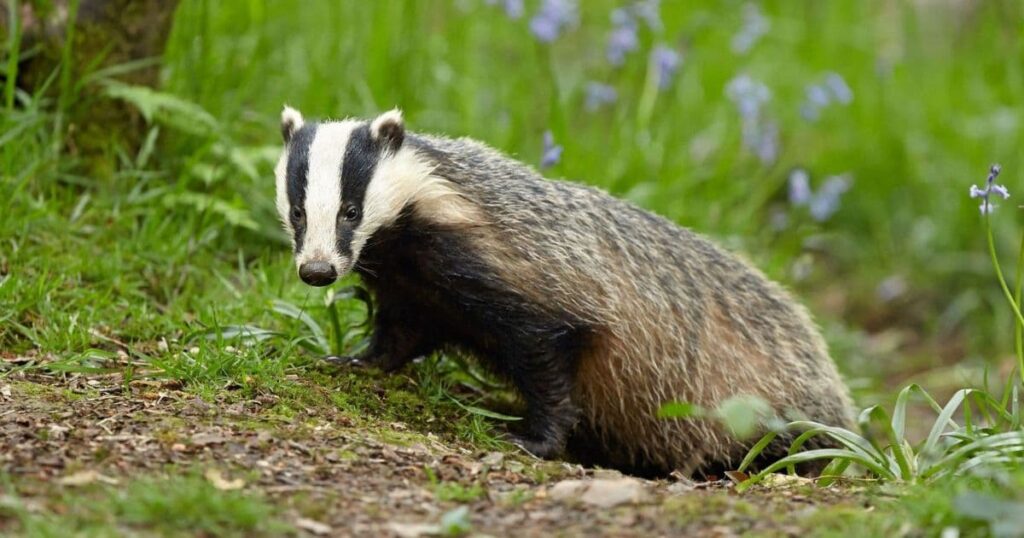
Scientific Name: Meles meles
Diet: Earthworms, insects, small mammals, berries, roots
Habitat: Woodlands and grasslands of Europe and Asia
The European badger is built like a small tank. Short legs, thick skin, powerful claws. It weighs between 15 and 30 pounds — about the size of a small dog — but it carries itself with the confidence of something much larger. Its growl is a low, churring sound that seems to come from somewhere deep in its chest.
But here’s what makes the badger’s growl different: it’s often a social signal, not just a threat. Badgers are one of the few members of this list that actually live in groups, called clans.
They build large underground setts — some used by the same family for over 100 years. That growl inside the sett? It means something different than the one at the entrance. Researchers have recorded distinct vocal patterns between badgers that seem to communicate identity, mood, and even familiarity. It’s a rougher, earthier form of conversation.
5. Honey Badger
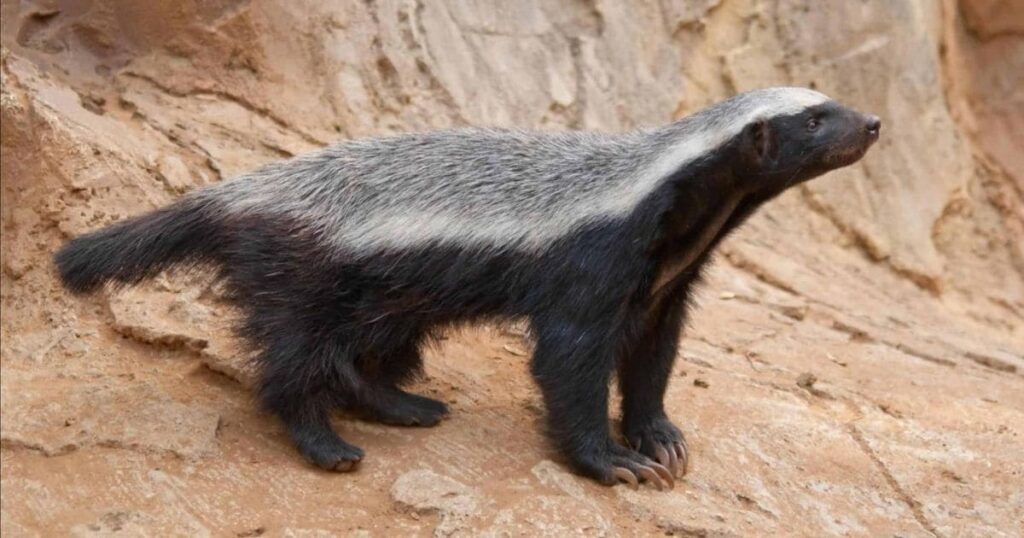
Scientific Name: Mellivora capensis
Diet: Honey, bee larvae, snakes, scorpions, rodents
Habitat: Sub-Saharan Africa, the Middle East, Indian subcontinent
The honey badger and the European badger share a name — and almost nothing else. This animal is in a different league of fearlessness. It will take on cobras, puff adders, and even young crocodiles. And it growls the entire time.
What truly sets the honey badger apart is its skin. It’s thick, loose, and rubbery — almost impossible for fangs or claws to penetrate. If a predator grabs a honey badger by the back of the neck, the honey badger can literally twist around inside its own skin and bite back. That growl you hear? It continues through the entire fight.
Wildlife researchers describe it as a near-constant vocalization during conflict — part war cry, part psychological intimidation. It has been partially resistant to snake venom. So the animal that growls non-stop while fighting a cobra is also the animal that can survive the bite.
6. Opossum
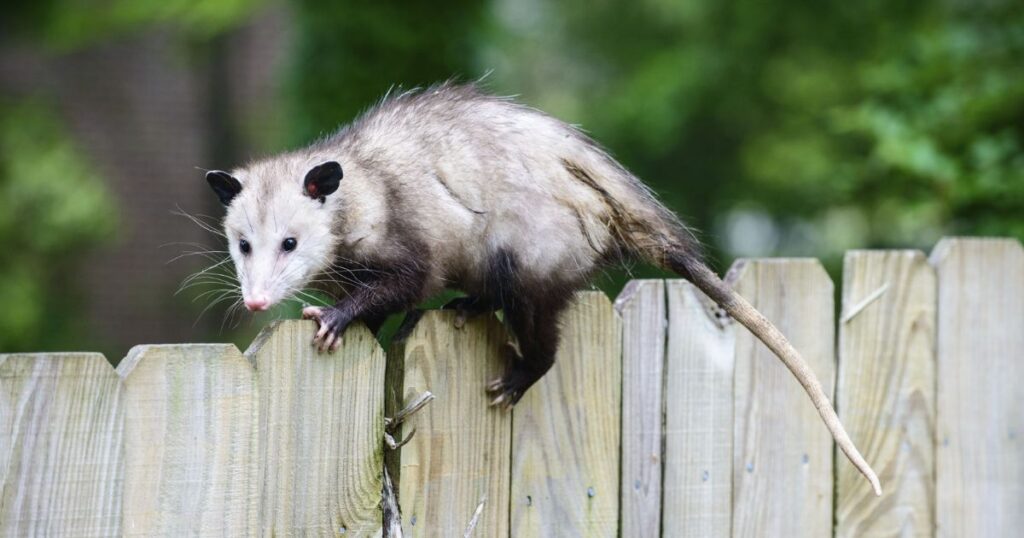
Scientific Name: Didelphis virginiana
Diet: Insects, fruits, carrion, small animals, eggs
Habitat: Forests and suburban areas across North America
The opossum is famous for playing dead. But before it gets to that extreme, it has a whole repertoire of sounds — including a raspy, rattling growl that sounds like gravel being shaken in a tin can. It’s not elegant. But it works.
The opossum is North America’s only marsupial, meaning females carry joeys in a pouch, just like kangaroos. That evolutionary history matters here. Opossums are ancient animals — they’ve been around for roughly 70 million years with very little change. Their growl is one of the oldest defense sounds still in use today. And it works on pure instinct.
They don’t think about whether to growl. They don’t plan it. The moment something threatens them, that rough, hissing growl starts automatically. It’s a survival reflex that has persisted across millions of years because, clearly, it keeps working.
7. Leopard Seal
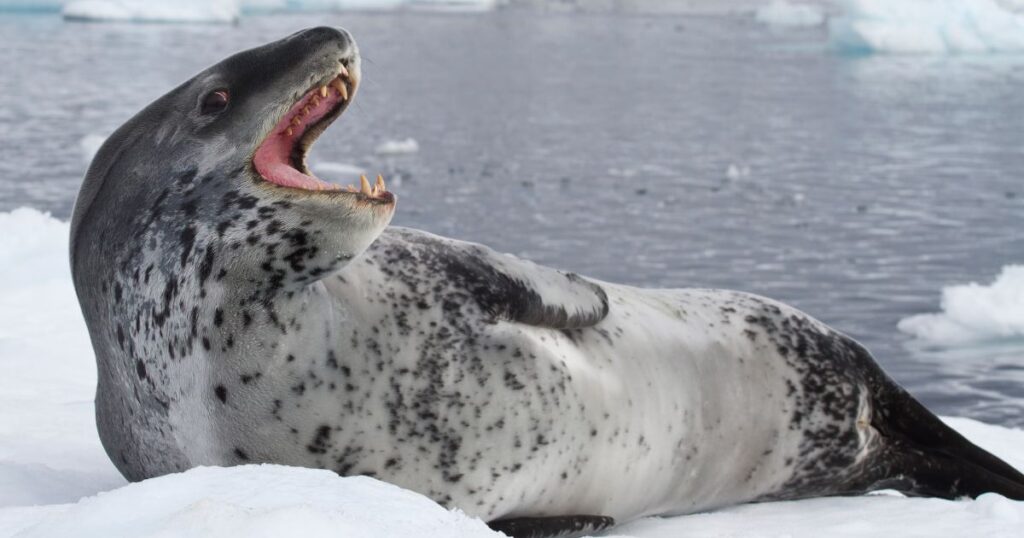
Scientific Name: Hydrurga leptonyx
Diet: Penguins, fish, squid, krill, other seals
Habitat: Antarctic pack ice and surrounding waters
The leopard seal is the apex predator of the Antarctic. It measures up to 11 feet long and weighs as much as 1,300 pounds. But that size is almost secondary to what it can do with sound. Leopard seals produce one of the most complex and eerie underwater vocal displays of any marine mammal — including deep, resonant growls that travel miles through cold water.
These growls aren’t defense. They’re communication and territory. Male leopard seals sing long, haunting sequences underwater during mating season that researchers once confused with whale calls. That growl is embedded within these vocal sequences as a low punctuation — like the bass note in a very strange song.
On land or ice, a confronted leopard seal will open its massive jaws (lined with interlocking teeth) and growl directly at whatever dared to approach. Most things choose not to find out what comes next.
8. Komodo Dragon
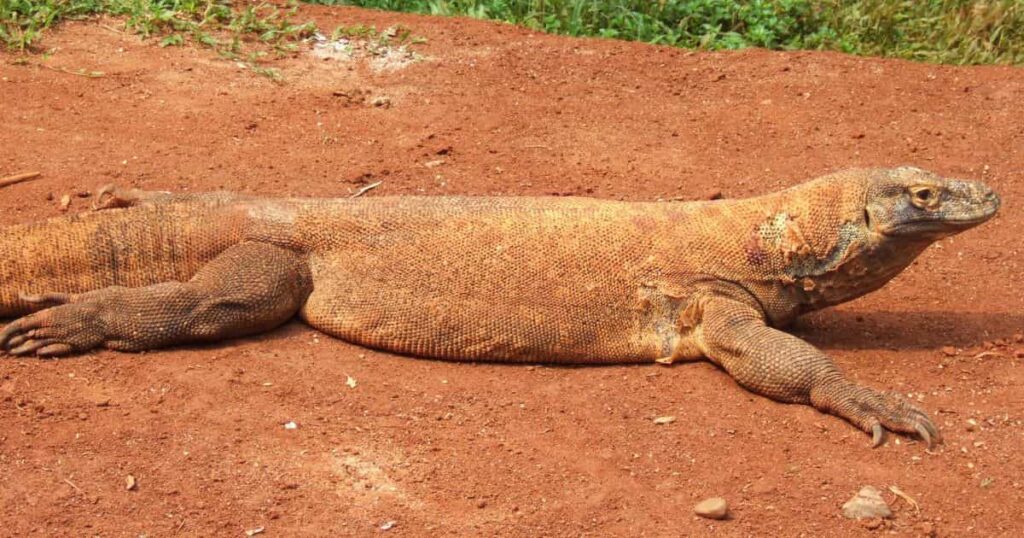
Scientific Name: Varanus komodoensis
Diet: Deer, pigs, goats, water buffalo, carrion
Habitat: Islands of Komodo, Rinca, Flores, and Gili Motang in Indonesia
The Komodo dragon is the world’s largest living lizard — up to 10 feet long and 150 pounds. It doesn’t look like an animal that growls. Reptiles aren’t known for vocalizations. But when a Komodo dragon growls, it’s a hissing, rumbling sound that seems almost mechanical, like a very large engine idling.
What stands out here is the anatomy. Komodo dragons have a forked tongue they flick constantly, “tasting” the air for scent molecules. They can detect a carcass from up to 6 miles away. When two Komodos compete over a kill, that growl kicks in — and so do the claws and teeth.
They also have a secret that science only confirmed recently: venom glands along the lower jaw that cause blood-thinning and shock in prey. So the animal growling at you is the same one that can track you for miles, wait patiently for hours, and deliver a chemical cocktail with its bite. The growl is the least of your concerns.
9. Cassowary
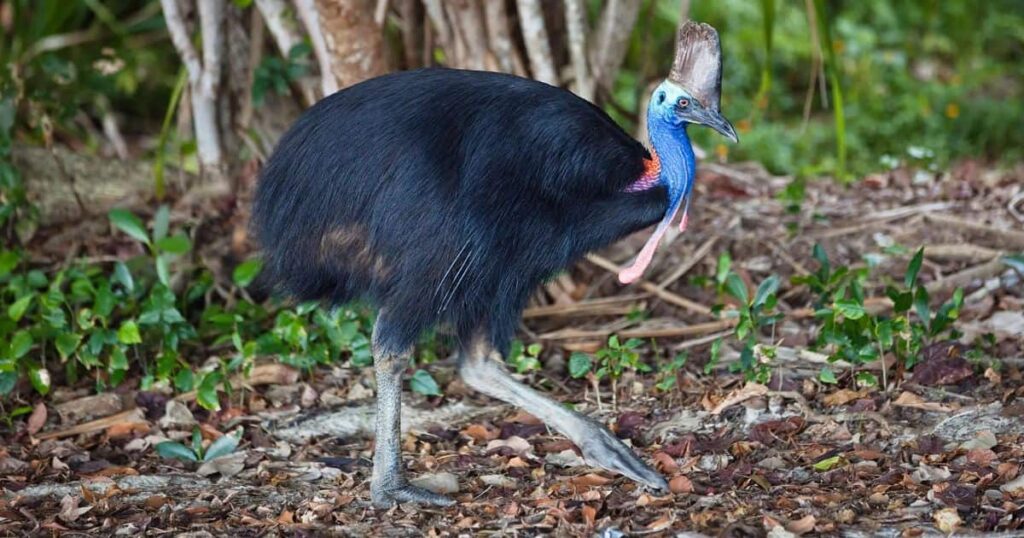
Scientific Name: Casuarius casuarius
Diet: Fruits, fungi, insects, small vertebrates, carrion
Habitat: Tropical rainforests of northeastern Australia and New Guinea
If you’ve never seen a cassowary, picture a 6-foot tall bird that looks like a dinosaur, because it basically is one. It has a bright blue neck, a hard bony helmet called a casque on its head, and a 4-inch razor-sharp claw on each inner toe that can disembowel a predator with a single kick.
And it growls. That booming, low-frequency growl is one of the deepest sounds produced by any bird on the planet — some frequencies are so low that humans can barely hear them. It’s infrasound, similar to what elephants use to communicate across long distances.
The growl travels through dense jungle where visibility is nearly zero. It’s how cassowaries communicate without being seen. But when a cassowary growls and you can see it, that means it has already decided you’re too close. At that point, you’re not in a conversation. You’re in a warning countdown.
10. Bittern
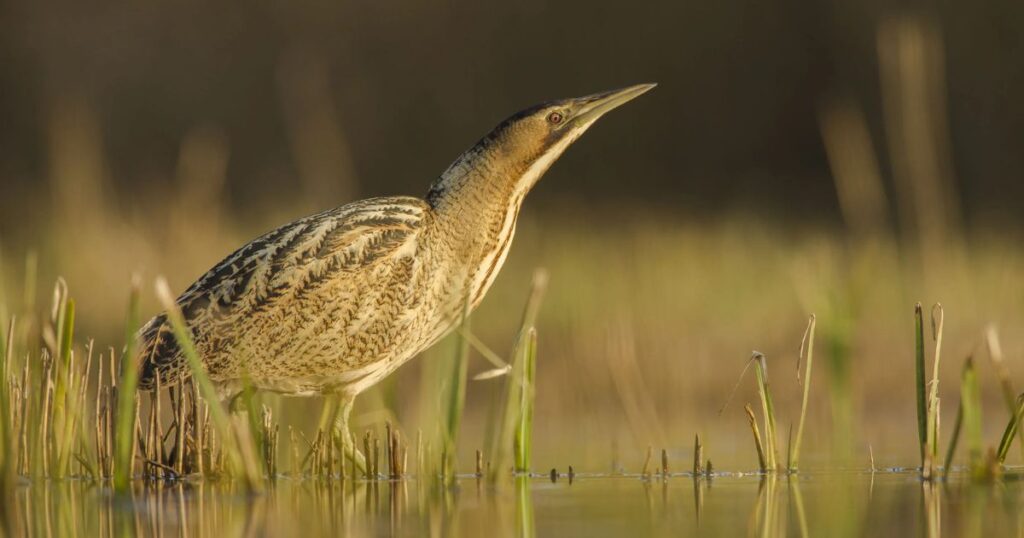
Scientific Name: Botaurus stellaris
Diet: Fish, frogs, insects, small mammals
Habitat: Reed beds and wetlands across Europe and Asia
The bittern is a brown, streaky heron-like bird that hides in marshes and is almost impossible to spot — because when it feels threatened, it points its beak straight up and freezes, perfectly mimicking a cluster of reeds. But what you’ll hear long before you see one is its booming call. And yes, it growls too.
That growl from a bittern sounds like a low, hollow moan that echoes across open water at night. It’s been described as one of the most prehistoric sounds in the British countryside.
The bird has special air sacs that amplify its calls to extraordinary volume — that boom can carry over a mile. But the short growl it makes at close range, when cornered, is raw and guttural and entirely unexpected from a bird this size. This is an animal that spends its life being invisible — and its voice is one of the few ways the world knows it exists at all.
11. Ostrich
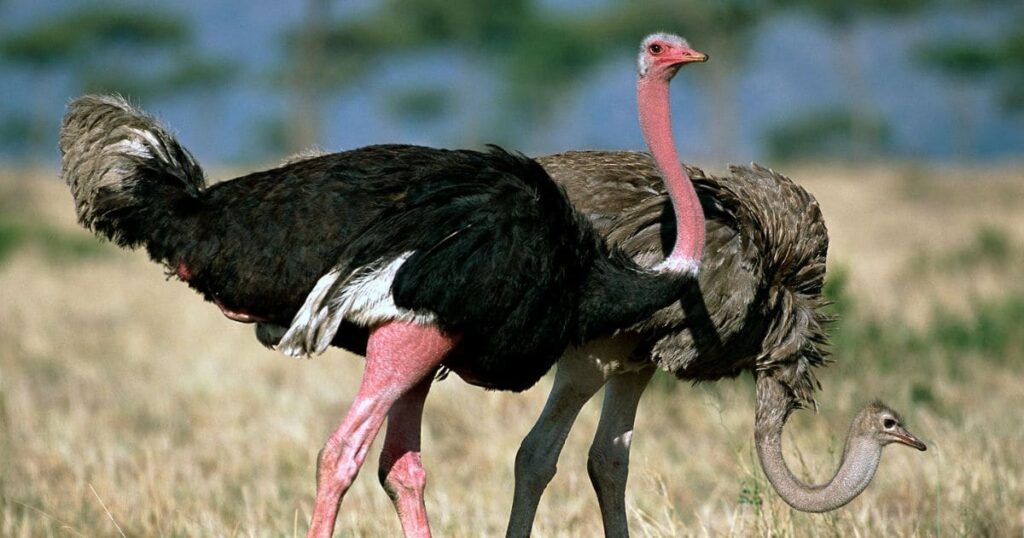
Scientific Name: Struthio camelus
Diet: Plants, seeds, insects, lizards, small rodents
Habitat: Savannas and semi-arid regions of Africa
The ostrich is the largest bird alive — up to 9 feet tall and 320 pounds. It cannot fly. But it can run at 45 mph and kick hard enough to kill a lion. And during mating season, the male ostrich produces a deep, resonant growl that sounds so much like a distant lion that experienced African guides have been fooled.
That sound is made by inflating the neck, which turns a vivid pink and blue during display, and pushing air through the throat with the beak closed. The result is a booming, hollow roar-growl that echoes across open savanna. The ostrich uses this both to attract females and to intimidate rivals.
It’s one of the few examples of a bird that genuinely sounds like a large mammal predator — and uses that acoustic illusion deliberately. It’s an animal that can’t fly, but compensates with speed, strength, and a voice borrowed from the top of the food chain.
12. American Bullfrog
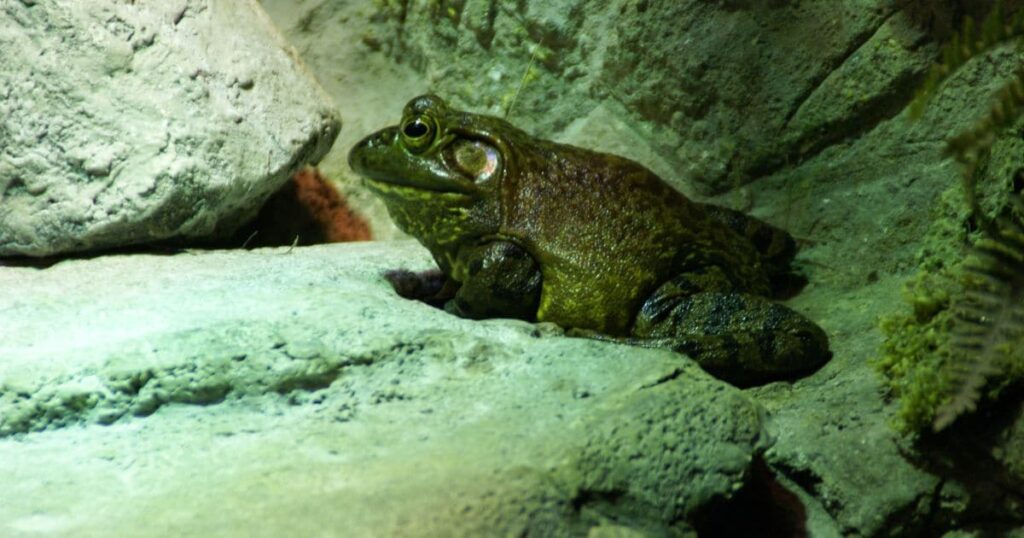
Scientific Name: Lithobates catesbeianus
Diet: Insects, fish, snakes, small birds, rodents, other frogs
Habitat: Ponds, lakes, streams, and marshes across North America
Save the most surprising for last. A frog that growls. The American bullfrog is the largest frog in North America — up to 8 inches long and nearly 1.5 pounds, roughly the size of a large dinner roll. And its call isn’t a gentle ribbit. It’s a deep, chest-rattling jug-o-rum boom that carries over half a mile across open water at night.
But it also makes a genuine growl. When grabbed or cornered, a bullfrog emits a short, sharp, raspy growl-bark that startles most predators just long enough to create an escape window. Here’s the real twist though: the bullfrog is not just a vocal animal, it’s a generalist predator that will eat almost anything it can fit in its mouth — including birds, snakes, and other frogs.
In regions where it’s been introduced outside North America, it’s considered invasive because it outcompetes native species with frightening efficiency. The animal making that deep, growling boom in the pond at night is also one of the most ecologically disruptive creatures on the planet.
FAQ’s Animals That Growl
Which animal growls the loudest?
The lion, audible up to 5 miles away. Among this list, the leopard seal and ostrich produce surprisingly powerful growls that carry the farthest.
Do all animals that growl do it out of anger?
No. Badgers growl socially, leopard seals growl during mating, and ostriches growl to attract females. Anger is just one trigger.
Which animal growls at night?
Foxes, opossums, bullfrogs, and leopard seals are the most common nighttime growlers. The fox’s growl is the one most often reported by people in suburban areas.
Can a growl protect an animal from predators?
Yes. A sudden growl startles predators and buys time to escape. For the opossum, it’s a first warning. For the honey badger, it runs alongside an actual fight.
Do birds growl?
A few do. The cassowary growls at near-infrasonic frequencies. The bittern produces a guttural close-range growl. The ostrich creates a booming roar by pushing air through its inflated neck.
Discover More Animals:

I’m Pedro, and I love learning about animals. I spend my time reading and researching how animals live, eat, move, and survive. I share simple, accurate facts to help everyone understand and enjoy the amazing world of wildlife.