Skinny animals are found on every continent, from deserts to deep oceans. Their slim, lean bodies aren’t a flaw — they’re a feature. A narrow frame helps them move faster, hide better, hunt smarter, or survive on very little food. Some of the skinniest animals in the world include the ribbonfish, vine snake, needlefish, and the spotted garden eel.
List of Skinny Animals at a Glance
| Animal Name | Scientific Name |
| Meerkat | Suricata suricatta |
| Gazelle | Gazella gazella |
| Giraffe | Giraffa camelopardalis |
| Alpaca | Vicugna pacos |
| Carolina Mantis | Stagmomantis carolina |
| Spotted Garden Eel | Heteroconger hassi |
| Red Slender Loris | Loris tardigradus |
| Vine Snake | Ahaetulla nasuta |
| Slender-snouted Crocodile | Mecistops cataphractus |
| Ribbonfish | Regalecus glesne |
| Secretary Bird | Sagittarius serpentarius |
| Brookesia Micra Chameleon | Brookesia micra |
| Needlefish | Belone belone |
| Crane Fly | Tipula oleracea |
| Stoat | Mustela erminea |
1. Meerkat
- Scientific name: Suricata suricatta
- Diet: Insects, scorpions, lizards, eggs
- Habitat: Kalahari Desert, southern Africa
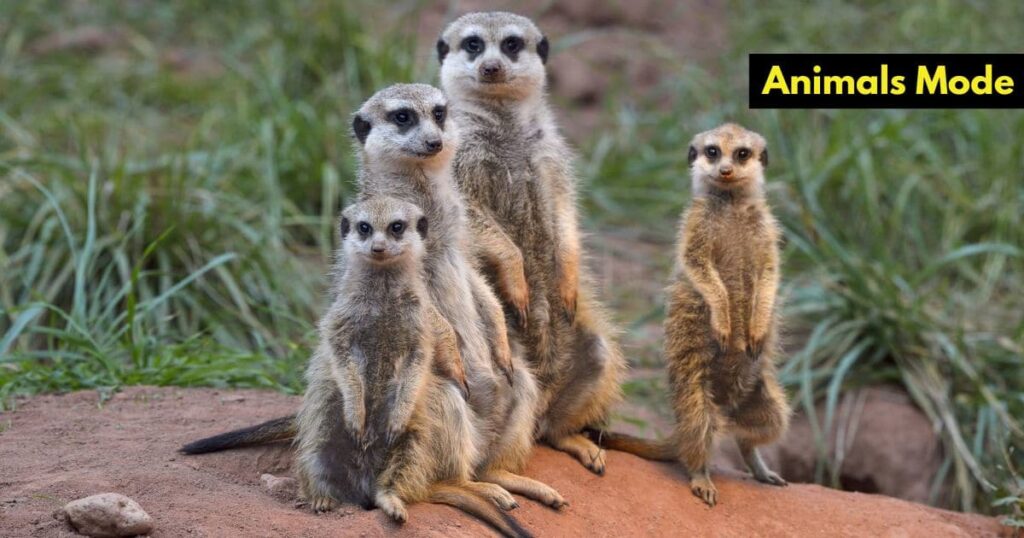
You’ve probably seen a meerkat standing perfectly upright, scanning the horizon like a tiny guard. That posture isn’t just cute — it’s a survival system. They live in groups called mobs, sometimes up to 30 individuals, and take turns acting as sentinels while the rest dig for food.
What makes them truly remarkable is their immunity to venom. A meerkat can eat a scorpion, including the stinger, without getting sick. Their body has evolved a resistance to certain neurotoxins that would seriously harm most other animals their size. At just 700 grams, they are punching way above their weight in the survival department.
2. Gazelle
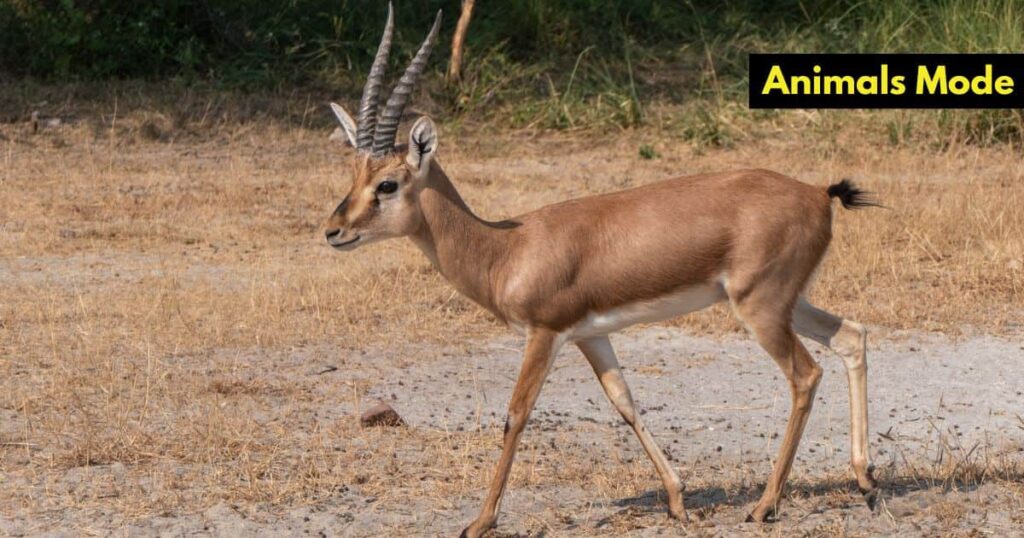
- Scientific name: Gazella gazella
- Diet: Grasses, leaves, shrubs
- Habitat: African savannas, Arabian deserts
A gazelle doesn’t just run from predators — it “stots.” That’s the name for the strange, bouncy leap gazelles do when a cheetah is nearby. It looks playful, but it’s actually a signal: I’m healthy, fast, and not worth chasing. Predators often give up after seeing it.
Their legs are built like carbon-fiber springs. Slim, light, and powerful. A gazelle can sustain 60 mph in short bursts and keep up a pace of 40 mph for much longer than most predators can manage. That lean body frame is the entire reason this works. Less weight means more speed, and in the open savanna, speed is life.
3. Giraffe
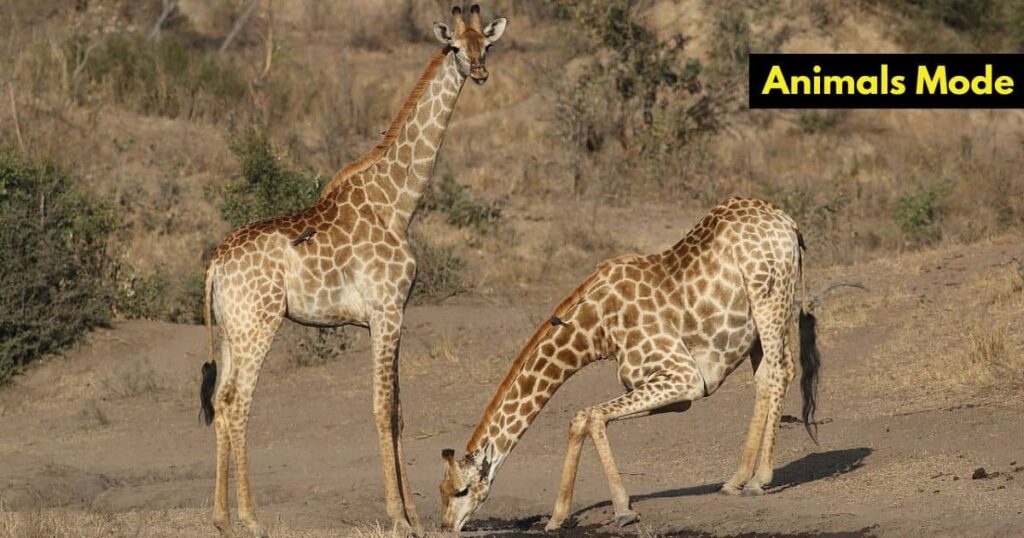
- Scientific name: Giraffa camelopardalis
- Diet: Leaves, flowers, seeds (mainly acacia)
- Habitat: Open woodlands and savannas of sub-Saharan Africa
The giraffe is the tallest land animal on Earth, standing up to 6 meters tall. But look past the height. The body underneath that long neck is actually quite narrow and angular — a surprisingly skinny frame carrying an enormous structure above it.
What most people don’t know is that a giraffe’s tongue is roughly 45–50 cm long and dark purplish-black in color. Scientists think the dark pigment protects it from sunburn, since giraffes spend hours with their tongues exposed while stripping leaves. The whole animal is an exercise in extreme elongation — long neck, long legs, long tongue — all adapted to reach food that nothing else can access.
4. Alpaca
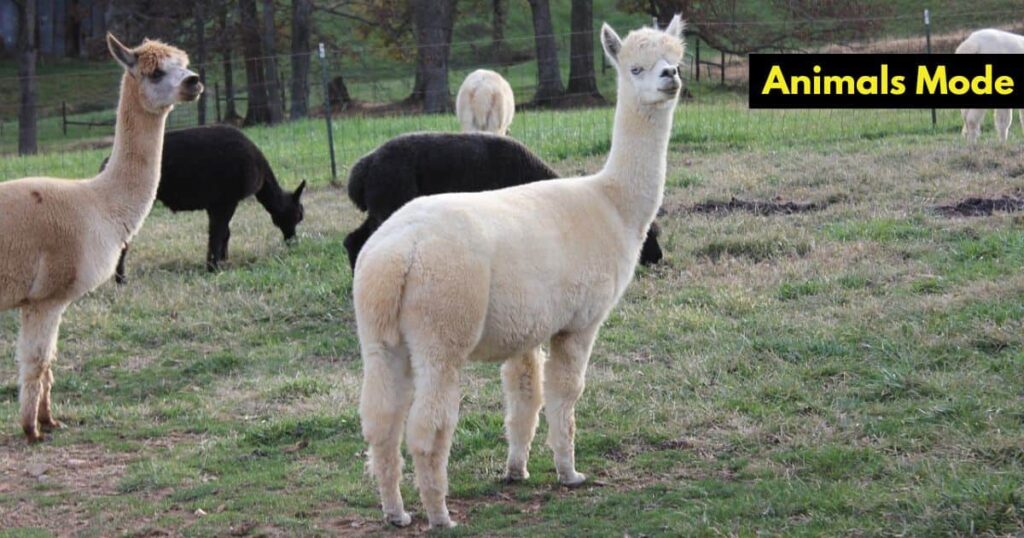
- Scientific name: Vicugna pacos
- Diet: Grasses, hay, shrubs
- Habitat: Andean highlands of South America, at elevations above 3,500 meters
Beneath all that fluffy fiber, the alpaca is a surprisingly lean animal. Shear one, and you’ll find a slim, deer-like body that weighs between 55–90 kg — much less than it looks. That wool is a survival coat, not body mass.
What’s fascinating is how alpacas communicate. They hum. A low hum means they’re content. A sharp, high-pitched sound means danger. They also spit — but not randomly. Spitting in the alpaca world is a precise social tool, used to assert rank and settle disputes. It’s not aggression. It’s conversation, alpaca-style.
5. Carolina Mantis
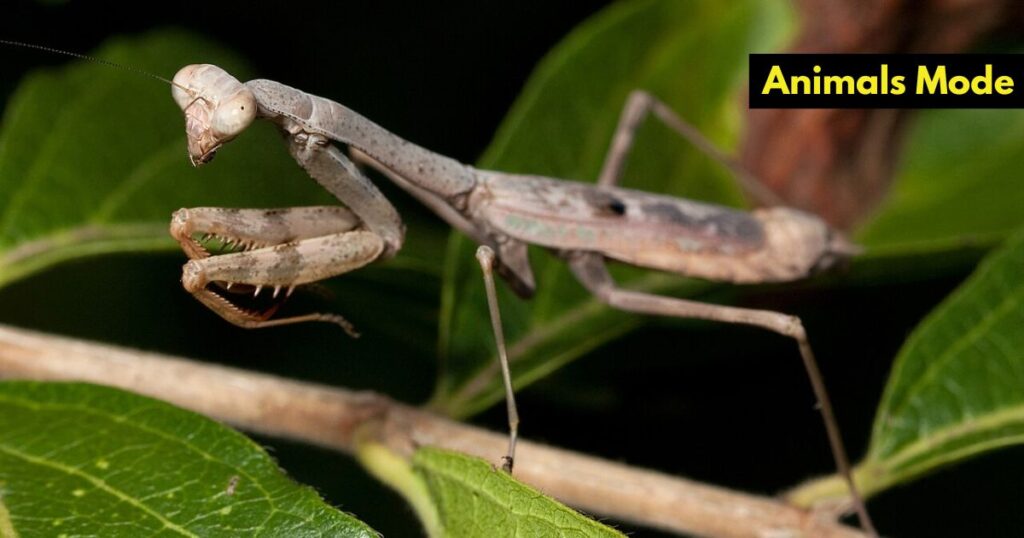
- Scientific name: Stagmomantis carolina
- Diet: Moths, flies, mosquitoes, small insects
- Habitat: Eastern and southern United States, in meadows and gardens
The Carolina mantis is a master of camouflage-based ambush. Its stick-thin body blends into plant stems so well that prey walks right up to it. It doesn’t chase. It waits — sometimes for hours — in absolute stillness.
Here’s the part that surprises most people: a mantis can turn its head 180 degrees. No other insect can do this. That full-rotation view lets it track prey with its eyes before striking with its forelegs at speeds almost too fast to see — around 1/20th of a second. For something that weighs less than a paperclip, that’s extraordinary precision.
6. Spotted Garden Eel
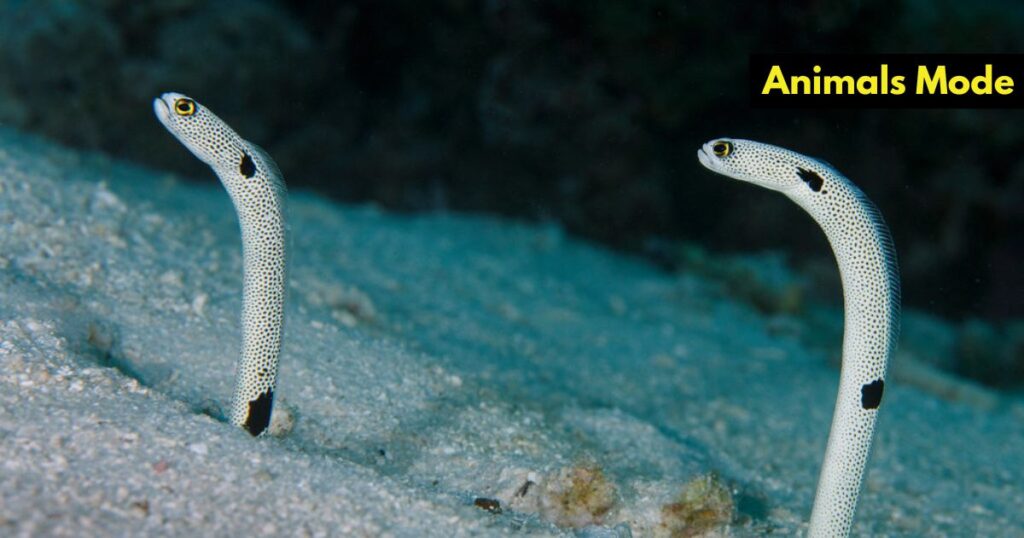
- Scientific name: Heteroconger hassi
- Diet: Zooplankton carried by ocean currents
- Habitat: Indo-Pacific coral reef sandy bottoms, at 7–45 meters depth
Imagine hundreds of thin, spotted necks rising from the sand like living grass blowing in the wind. That’s a spotted garden eel colony. They live permanently buried in the seafloor, tail-first in sandy tubes, and never fully leave their burrow.
Their entire feeding strategy depends on ocean current timing. They lean into the flow and snap at passing plankton. When a threat approaches, they sink straight down into the sand in a ripple — the whole colony disappears within seconds. Pair-bonded eels even stretch toward each other from neighboring burrows to touch, which scientists believe maintains their social bond without either one leaving the safety of the sand.
7. Red Slender Loris
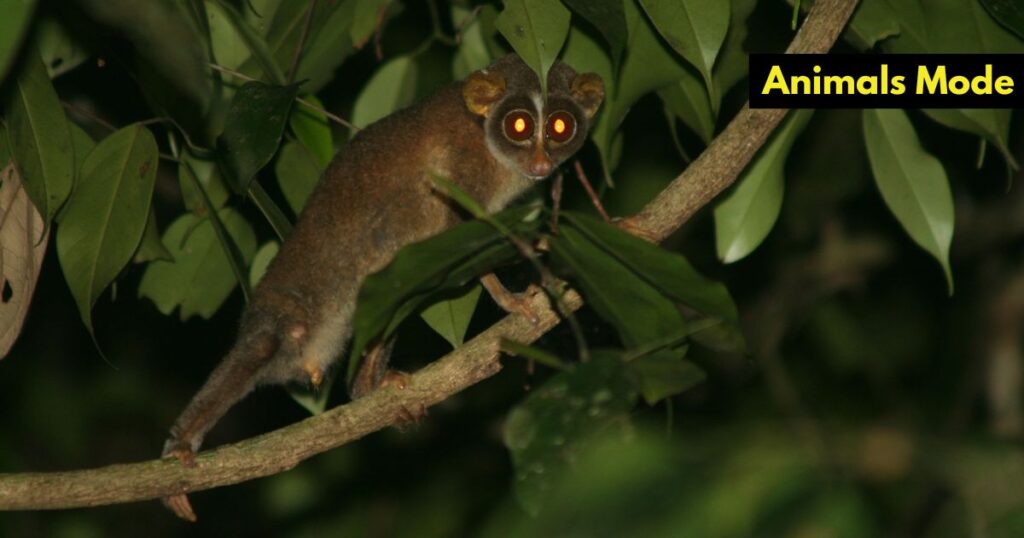
- Scientific name: Loris tardigradus
- Diet: Insects, small lizards, bird eggs, plant matter
- Habitat: Tropical rainforests of Sri Lanka
The red slender loris looks like two enormous eyes attached to a stick. Its limbs are so thin they resemble twigs — which is exactly the point. Moving through dense forest at night, it’s nearly invisible to both predators and prey.
But those slow, deliberate movements hide something dangerous. The loris has a toxic bite — rare among mammals. It secretes a substance from glands near its elbows, mixes it with saliva, and delivers a venomous bite when threatened. Scientists have found this toxin causes anaphylactic shock in some animals. A creature that looks harmless enough to hold in your palm can defend itself with chemistry more complex than most snakes.
8. Vine Snake
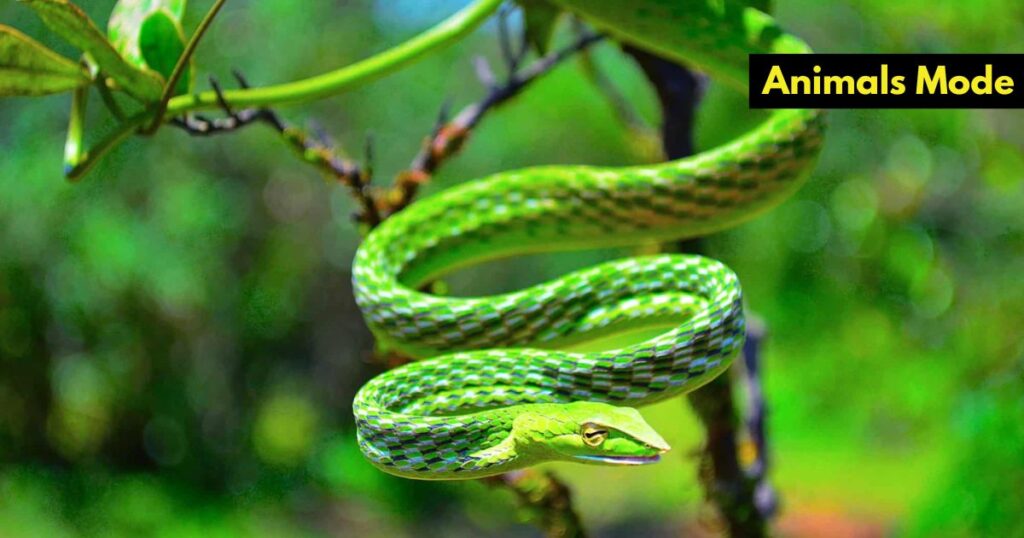
- Scientific name: Ahaetulla nasuta
- Diet: Lizards, frogs, small birds
- Habitat: South and Southeast Asian tropical forests
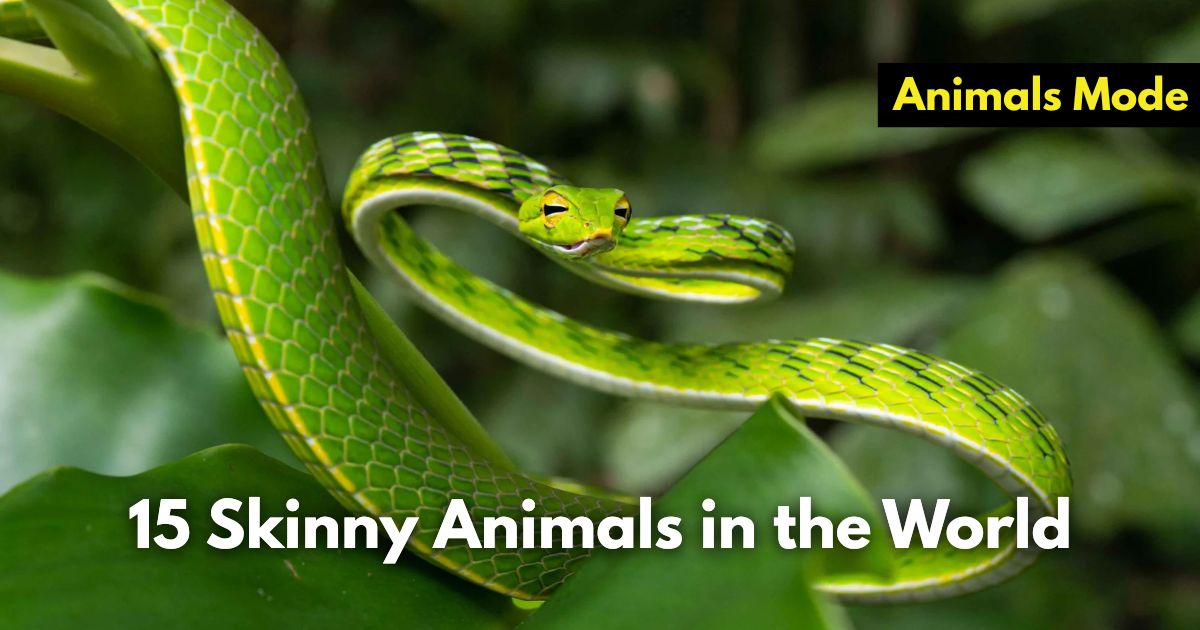
The vine snake is probably the most convincing impersonator in the reptile world. Its body is the width of a human finger and can stretch to 2 meters long. It drapes itself among vines and branches and barely moves — until something edible comes close.
What makes it unique among snakes is its horizontal pupil. Most snakes have round or vertical pupils. The vine snake’s keyhole-shaped horizontal pupil creates a wide, sharp field of vision directly in front of its pointed snout, giving it depth perception more like a cat than a typical reptile. It literally aims at prey before striking. That combination of near-perfect disguise and precise binocular vision makes it one of the most effective ambush hunters in the forest.
9. Slender-snouted Crocodile
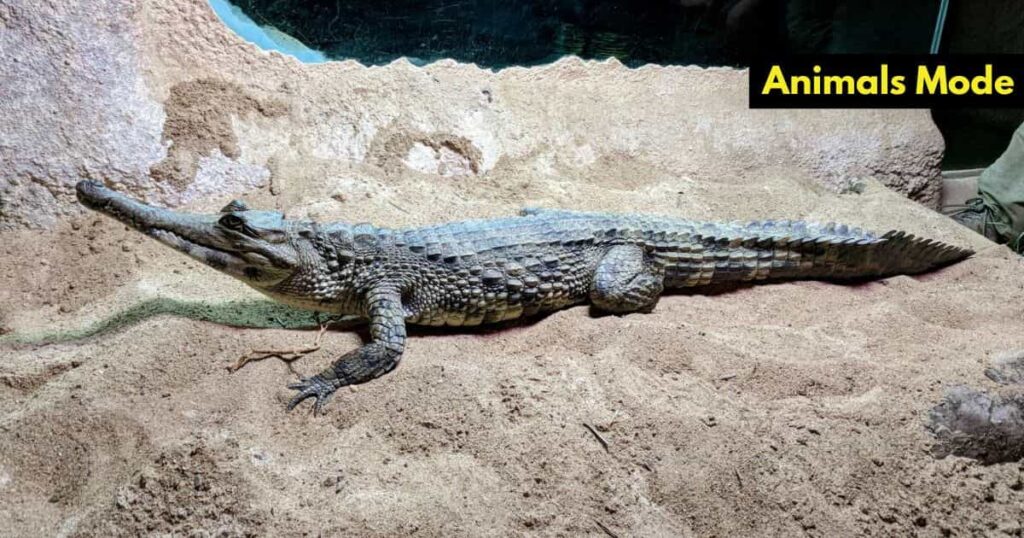
- Scientific name: Mecistops cataphractus
- Diet: Fish, crustaceans, frogs
- Habitat: Central and West African rainforest rivers
Most crocodiles are built like armored tanks — wide, heavy, powerful. The slender-snouted crocodile breaks that design entirely. Its jaw is long, narrow, and almost graceful-looking, more like a gharial than a typical croc.
That narrow snout isn’t just for looks. It creates less water resistance, letting the crocodile whip its head sideways through water at high speed to snatch fast-moving fish. A wide-jawed croc would push the fish away before catching it. This species evolved a precision tool instead of a power tool. Despite being far less studied than Nile crocodiles, recent DNA analysis revealed it’s actually two separate species, making it one of the most significant crocodilian discoveries of the last two decades.
10. Ribbonfish
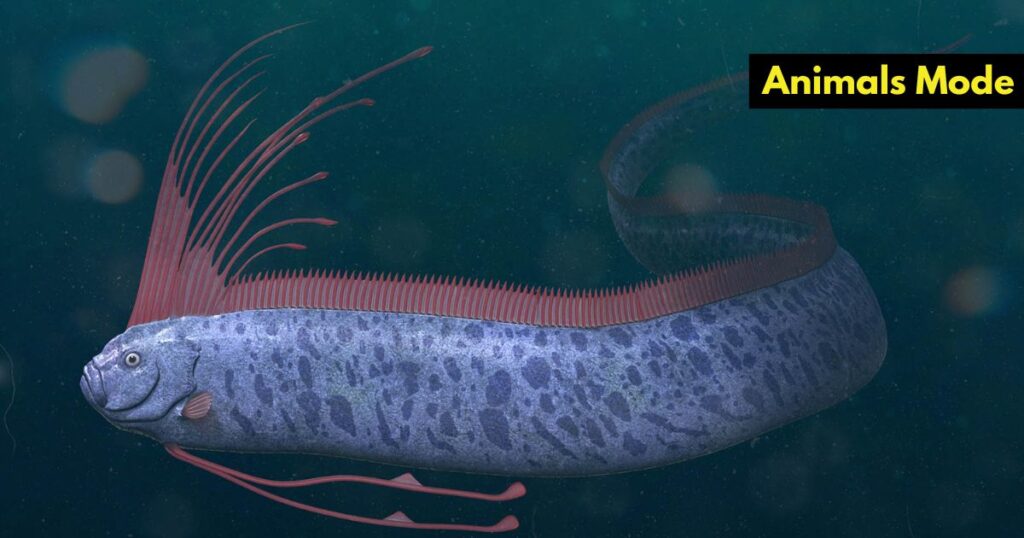
- Scientific name: Regalecus glesne
- Diet: Squid, small fish, crustaceans
- Habitat: Deep ocean, found in all temperate and tropical seas at depths of 200–1,000 meters
The ribbonfish — also called the oarfish — is possibly the longest bony fish alive. It can reach 11 meters in length, but its body is never more than about 30 cm wide. Flat, silver, and almost mirror-like, it looks less like a living animal and more like a special effect.
It’s widely believed to be the origin of sea serpent legends. Sailors throughout history who spotted a dying oarfish near the surface — they rise when sick or injured — described enormous snake-like creatures in the water.
In Japan, it’s called ryugu no tsukai, meaning “messenger of the sea god’s palace,” and local belief holds that when they wash ashore, earthquakes will follow. Scientists have not confirmed that connection, but the timing has been noted enough times to keep the discussion alive.
11. Secretary Bird
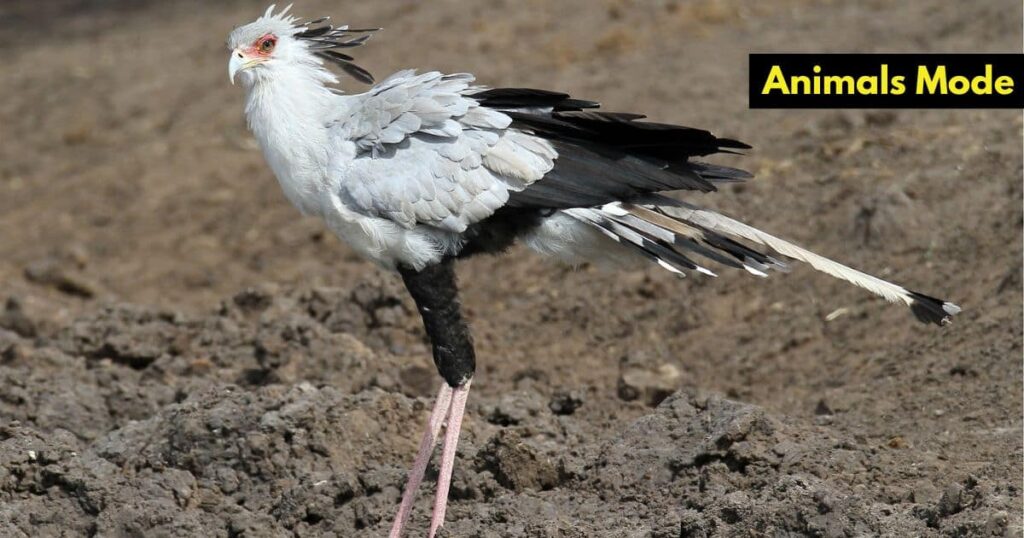
- Scientific name: Sagittarius serpentarius
- Diet: Snakes, lizards, rodents, large insects
- Habitat: Open grasslands and savannas of sub-Saharan Africa
The secretary bird looks like someone crossed a crane with an eagle and added stilts. It stands about 1.2 meters tall on long, thin legs that seem almost too delicate for what it does with them — it stomps snakes to death.
And not slowly. A secretary bird delivers a kick with a force of roughly 5 times its own body weight, at a speed of 15 milliseconds per strike — fast enough that the snake can’t respond. The legs are heavily scaled for protection, and the bird uses its wings as a balance shield while attacking. It doesn’t use its beak as the primary weapon at all. Among all birds of prey, it’s the only one that hunts primarily by foot, treating the African grassland like a boxing ring.
12. Brookesia Micra Chameleon
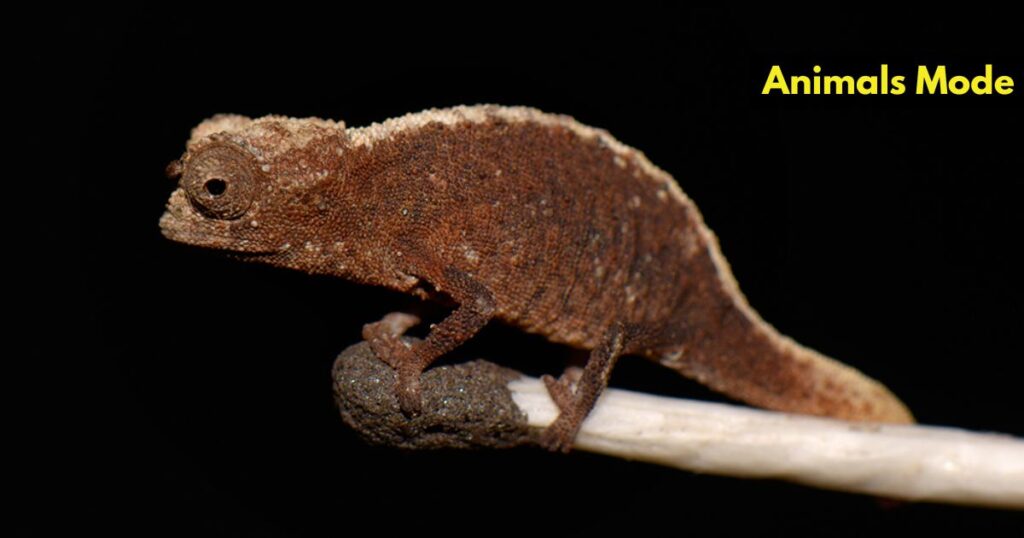
- Scientific name: Brookesia micra
- Diet: Mites, tiny insects
- Habitat: Leaf litter and low shrubs on Nosy Hara island, northern Madagascar
The Brookesia micra is the smallest chameleon in the world — and one of the smallest reptiles ever discovered. A full-grown adult fits comfortably on the head of a matchstick, measuring only about 29 mm from snout to tail.
What’s surprising is that something this small still has the same color-change ability as its larger relatives, though researchers believe this species uses it more for communication between individuals than for camouflage.
At night, it climbs a few centimeters off the ground onto plant stems to sleep — giving it just enough height to stay safe from ground-level predators. Its entire world operates on a scale most people can’t picture. Its prey, mites, are often nearly invisible to the human eye.
13. Needlefish
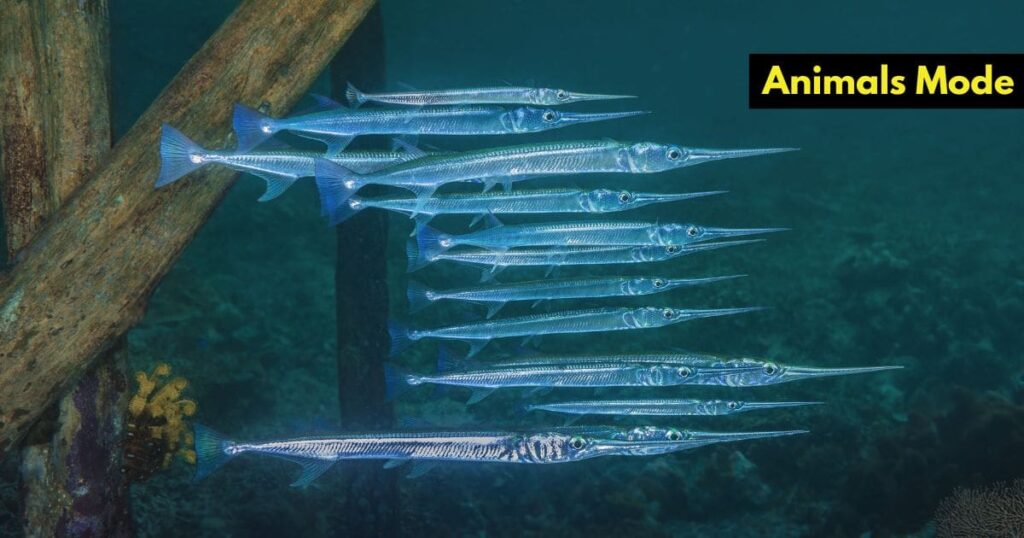
- Scientific name: Belone belone
- Diet: Small fish, crustaceans
- Habitat: Coastal and surface waters of the Atlantic Ocean and Mediterranean Sea
The needlefish is essentially a living javelin. Its body is long, narrow, and built entirely for speed at the water’s surface. It can leap out of the water at 60 km/h when startled, and that’s where it becomes genuinely dangerous.
Night fishermen in tropical coastal areas have been impaled by leaping needlefish attracted to their boat lights. Several deaths have been recorded, particularly in Southeast Asian waters. The fish doesn’t intend harm — it’s just reacting to light with a panic-jump. But a narrow, rigid beak moving at that speed can penetrate flesh deeply. Few animals this small have accidentally injured as many humans as the needlefish — making it one of the more quietly dangerous creatures in coastal waters.
14. Crane Fly
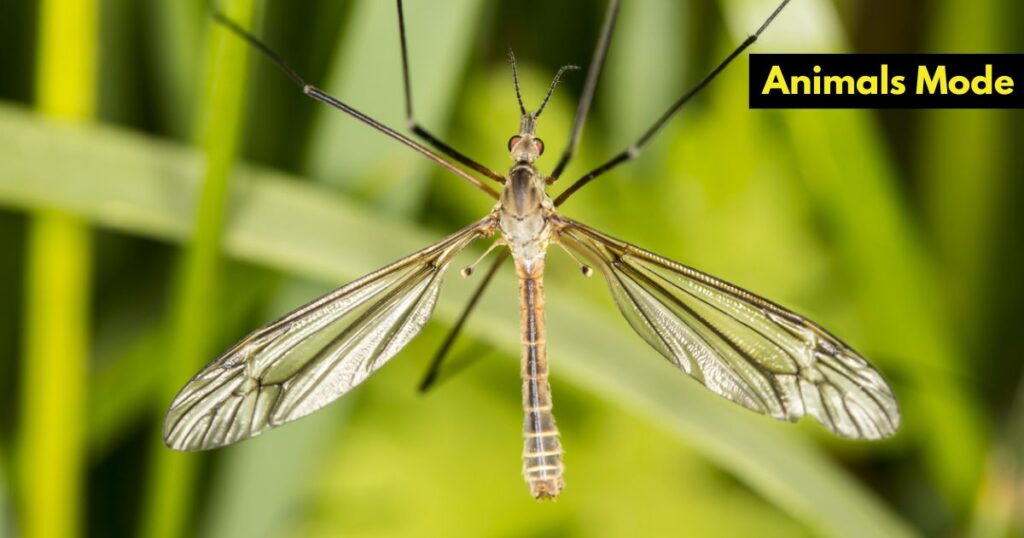
- Scientific name: Tipula oleracea
- Diet: Adults eat little to nothing; larvae feed on plant roots
- Habitat: Gardens, meadows, wetland edges across Europe and North America
Most people think crane flies are giant mosquitoes. They’re not even close. Crane flies don’t bite, don’t drink blood, and adult crane flies don’t really eat at all. Their only biological goal as adults is to mate and lay eggs before they die — typically within a few days.
Those impossibly long, fragile legs aren’t for speed. They’re detachable by design. When a predator grabs a crane fly by the leg, the leg breaks off cleanly, and the fly escapes. It’s called autotomy. The fly can still function with fewer legs since it doesn’t need them for balance the same way other insects do. Their real ecological role happens underground — the larvae, called leatherjackets, live in soil and break down organic matter, doing quiet but important work before the adult ever hatches.
15. Stoat
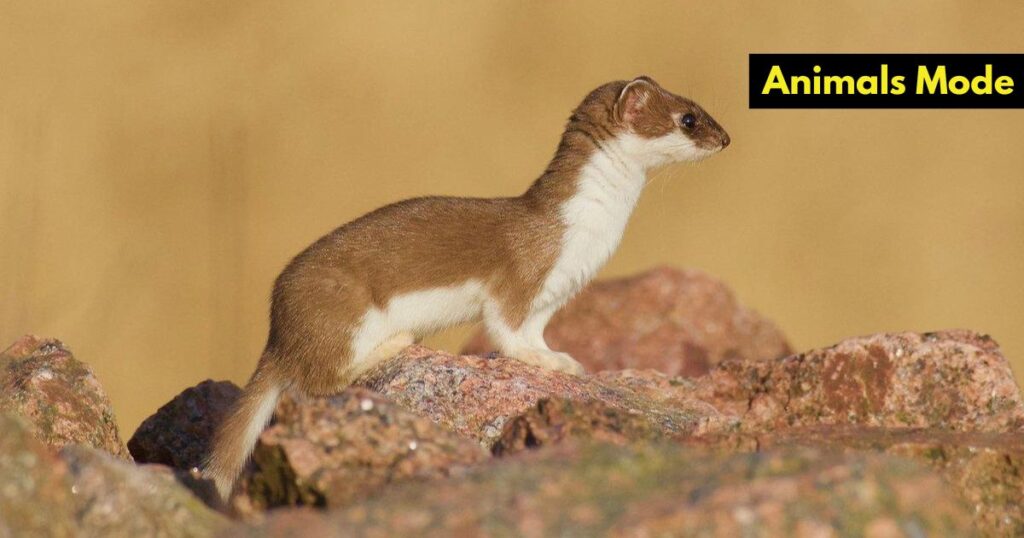
- Scientific name: Mustela erminea
- Diet: Rabbits, voles, birds, eggs
- Habitat: Forests, moorlands, and farmland across Europe, Asia, and North America
The stoat is a long, low-slung predator with a body shaped like a tube. At just 200–445 grams, it regularly takes down rabbits five to ten times its own size. The strategy it uses to do this is one of the stranger things in the animal kingdom.
Stoats have been observed performing a “weasel war dance” — a series of frantic twists, jumps, and rolls that seems completely random. But it works. Rabbits and birds freeze and stare, apparently confused or mesmerized by the movement. The stoat uses that distracted moment to close the gap and strike at the back of the skull. No other small mammal hunts with a psychological trick quite like this. In winter, the stoat’s coat turns entirely white — called ermine — and its fur has been used in royal robes for centuries.
Common FAQ’s About Skinny Animals
What is the skinniest animal in the world?
The ribbonfish (oarfish) is likely the skinniest large animal, reaching 11 meters long with a body only about 30 cm wide. For small animals, the Brookesia micra chameleon and vine snake rank among the most slender relative to their size.
Why are some animals so skinny?
A slim body helps animals move faster, hide in tight spaces, ambush prey, or survive on less energy. It’s almost always a direct evolutionary response to their environment or hunting method.
Are skinny animals weaker than bigger animals?
Not at all. The stoat hunts prey ten times its size. The red slender loris has a venomous bite. The secretary bird can kick with five times its body weight. Slim doesn’t mean weak.
What cute animals are naturally skinny?
The meerkat, red slender loris, alpaca (under its wool), and Brookesia micra chameleon are all considered cute and are naturally lean animals.
Can skinny animals survive in cold climates?
Yes. The stoat survives harsh northern winters and even changes color with the seasons. The alpaca lives at extreme altitudes where temperatures drop sharply at night. Slim bodies are found in almost every climate on Earth.
Discover More Animals:

I’m Pedro, and I love learning about animals. I spend my time reading and researching how animals live, eat, move, and survive. I share simple, accurate facts to help everyone understand and enjoy the amazing world of wildlife.